
Home
3D Lung Models for Regenerating Tissue
Barnes and Noble
Loading Inventory...
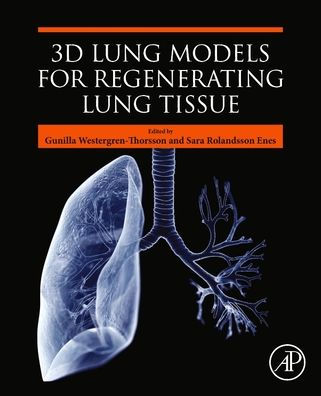
3D Lung Models for Regenerating Tissue in Franklin, TN
Current price: $165.00
Barnes and Noble
3D Lung Models for Regenerating Tissue in Franklin, TN
Current price: $165.00
Loading Inventory...
Size: Paperback
3D Lung Models for Regenerating Lung Tissue
is a comprehensive summary on the current state of art 3D lung models and novel techniques that can be used to regenerate lung tissue. Written by experts in the field, readers can expect to learn more about 3D lung models, novel techniques including bioprinting and advanced imaging techniques, as well as important knowledge about the complexity of the lung and its extracellular matrix composition.
Structured into 15 different chapters, the book spans from the original 2D cell culture model on plastic, to advanced 3D lung models such as using human extracellular matrix protein. In addition, the last chapters cover new techniques including 3D printing, bioprinting, and artificial intelligence that can be used to drive the field forward and some future perspectives. This highly topical book with chapters on everything from the complexity of the lung and its microenvironment to cutting-edge 3D lung models, represents an exciting body of work that can be used by researchers during study design, grant writing, as teaching material, or to stay updated with the progression of the field.
is a comprehensive summary on the current state of art 3D lung models and novel techniques that can be used to regenerate lung tissue. Written by experts in the field, readers can expect to learn more about 3D lung models, novel techniques including bioprinting and advanced imaging techniques, as well as important knowledge about the complexity of the lung and its extracellular matrix composition.
Structured into 15 different chapters, the book spans from the original 2D cell culture model on plastic, to advanced 3D lung models such as using human extracellular matrix protein. In addition, the last chapters cover new techniques including 3D printing, bioprinting, and artificial intelligence that can be used to drive the field forward and some future perspectives. This highly topical book with chapters on everything from the complexity of the lung and its microenvironment to cutting-edge 3D lung models, represents an exciting body of work that can be used by researchers during study design, grant writing, as teaching material, or to stay updated with the progression of the field.
3D Lung Models for Regenerating Lung Tissue
is a comprehensive summary on the current state of art 3D lung models and novel techniques that can be used to regenerate lung tissue. Written by experts in the field, readers can expect to learn more about 3D lung models, novel techniques including bioprinting and advanced imaging techniques, as well as important knowledge about the complexity of the lung and its extracellular matrix composition.
Structured into 15 different chapters, the book spans from the original 2D cell culture model on plastic, to advanced 3D lung models such as using human extracellular matrix protein. In addition, the last chapters cover new techniques including 3D printing, bioprinting, and artificial intelligence that can be used to drive the field forward and some future perspectives. This highly topical book with chapters on everything from the complexity of the lung and its microenvironment to cutting-edge 3D lung models, represents an exciting body of work that can be used by researchers during study design, grant writing, as teaching material, or to stay updated with the progression of the field.
is a comprehensive summary on the current state of art 3D lung models and novel techniques that can be used to regenerate lung tissue. Written by experts in the field, readers can expect to learn more about 3D lung models, novel techniques including bioprinting and advanced imaging techniques, as well as important knowledge about the complexity of the lung and its extracellular matrix composition.
Structured into 15 different chapters, the book spans from the original 2D cell culture model on plastic, to advanced 3D lung models such as using human extracellular matrix protein. In addition, the last chapters cover new techniques including 3D printing, bioprinting, and artificial intelligence that can be used to drive the field forward and some future perspectives. This highly topical book with chapters on everything from the complexity of the lung and its microenvironment to cutting-edge 3D lung models, represents an exciting body of work that can be used by researchers during study design, grant writing, as teaching material, or to stay updated with the progression of the field.
You May Also Like



![Model [Sea Blue Vinyl] [Barnes & Noble Exclusive]](https://prodimage.images-bn.com/pimages/0075678609374_p0_v5_s600x595.jpg)









More About Barnes and Noble at CoolSprings Galleria
Barnes & Noble is the world’s largest retail bookseller and a leading retailer of content, digital media and educational products. Our Nook Digital business offers a lineup of NOOK® tablets and e-Readers and an expansive collection of digital reading content through the NOOK Store®. Barnes & Noble’s mission is to operate the best omni-channel specialty retail business in America, helping both our customers and booksellers reach their aspirations, while being a credit to the communities we serve.
1800 Galleria Blvd #1310, Franklin, TN 37067, United States
Find Barnes and Noble at CoolSprings Galleria in Franklin, TN
Visit Barnes and Noble at CoolSprings Galleria in Franklin, TN
