
Home
A History of India Under the Two First Sovereigns - Vol 1: The House of Taimur: Baber And Humayun
Barnes and Noble
Loading Inventory...
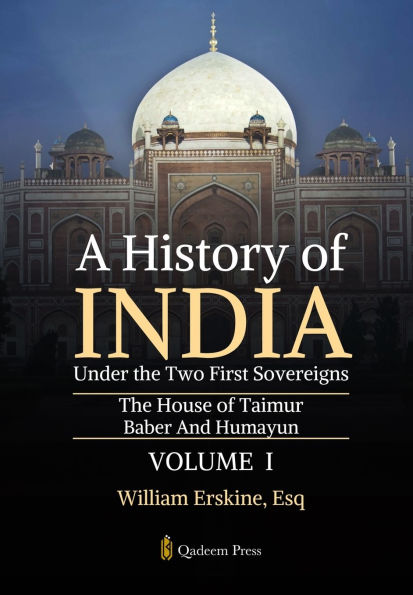
A History of India Under the Two First Sovereigns - Vol 1: The House of Taimur: Baber And Humayun in Franklin, TN
Current price: $38.99
Barnes and Noble
A History of India Under the Two First Sovereigns - Vol 1: The House of Taimur: Baber And Humayun in Franklin, TN
Current price: $38.99
Loading Inventory...
Size: OS
Embark on a historical journey through Indian history
with
"History of India Under the Two First Sovereigns and the House of Taimur: Baber and Humáyun,"
a meticulously researched narrative by the esteemed historian
William Erskine
. This
seminal work
provides a profound account of one of the most transformative periods in Indian history, focusing on the reigns of
Baber
and
Humayun
, the first two sovereigns of the
House of Taimur
.
Erskine spent years researching this work, aiming for
historical accuracy
and detail. Unlike previous European accounts relying on Ferishta, Erskine sought to create a
broader historical narrative
, using extensive
primary sources
that were previously untapped by Western historians. The result is an
authentic and authoritative record
of the era that shaped India's future.
The narrative begins with
, the
founder of the Mughal Empire
, whose life was marked by military campaigns,
conquests
, and the
establishment of Mughal rule in India
. Erskine paints a vivid picture of Baber's struggles, including the
loss and reclamation of Samarkand
, drawing from Baber's autobiography and the writings of
Haider Mirza
. Erskine's portrayal highlights Baber's
strategic brilliance
personal resilience
Humayun's
reign is equally fascinating, filled with challenges and exile. Erskine explores
tumultuous relationship
with the Pattan princes and
Shir Shah
, who briefly usurped his throne. The narrative captures Humayun's
dramatic rise and fall
, his eventual
return to power
lasting impact
of his reign on the Mughal Empire.
In addition to the lives of Baber and Humayun, Erskine provides
historical context
on the Tartar tribes and the geopolitical landscape during Baber's time. The
Mongol and Turkic dynasties
, particularly the
Jüji and Chaghatái
, are explored, offering a broader understanding of the
regional power dynamics
that influenced the Mughal rulers.
A distinctive feature of Erskine's work is his use of
that had not been utilized by European historians. His
translations and interpretations
bring
fresh perspectives
to the period. Erskine's
scholarly rigor
ensures the narrative remains grounded in
historical facts
, presenting a faithful record of events.
"History of India Under the Two First Sovereigns and the House of Taimur: Baber and Humáyun"
is an
indispensable resource
for anyone interested in India's rich history. Erskine's dedication to
accuracy and engaging writing
makes this book an essential read for scholars and general readers alike. It offers a
detailed and authentic account
of a
crucial period
in Indian history.
Immerse yourself in the
dramatic reigns
of Baber and Humayun, and explore the
foundations of the Mughal Empire
with this historical masterpiece.
Purchase your copy today
and delve into the
legacy of India's first Mughal rulers
with
"History of India Under the Two First Sovereigns and the House of Taimur: Baber and Humáyun,"
a meticulously researched narrative by the esteemed historian
William Erskine
. This
seminal work
provides a profound account of one of the most transformative periods in Indian history, focusing on the reigns of
Baber
and
Humayun
, the first two sovereigns of the
House of Taimur
.
Erskine spent years researching this work, aiming for
historical accuracy
and detail. Unlike previous European accounts relying on Ferishta, Erskine sought to create a
broader historical narrative
, using extensive
primary sources
that were previously untapped by Western historians. The result is an
authentic and authoritative record
of the era that shaped India's future.
The narrative begins with
, the
founder of the Mughal Empire
, whose life was marked by military campaigns,
conquests
, and the
establishment of Mughal rule in India
. Erskine paints a vivid picture of Baber's struggles, including the
loss and reclamation of Samarkand
, drawing from Baber's autobiography and the writings of
Haider Mirza
. Erskine's portrayal highlights Baber's
strategic brilliance
personal resilience
Humayun's
reign is equally fascinating, filled with challenges and exile. Erskine explores
tumultuous relationship
with the Pattan princes and
Shir Shah
, who briefly usurped his throne. The narrative captures Humayun's
dramatic rise and fall
, his eventual
return to power
lasting impact
of his reign on the Mughal Empire.
In addition to the lives of Baber and Humayun, Erskine provides
historical context
on the Tartar tribes and the geopolitical landscape during Baber's time. The
Mongol and Turkic dynasties
, particularly the
Jüji and Chaghatái
, are explored, offering a broader understanding of the
regional power dynamics
that influenced the Mughal rulers.
A distinctive feature of Erskine's work is his use of
that had not been utilized by European historians. His
translations and interpretations
bring
fresh perspectives
to the period. Erskine's
scholarly rigor
ensures the narrative remains grounded in
historical facts
, presenting a faithful record of events.
"History of India Under the Two First Sovereigns and the House of Taimur: Baber and Humáyun"
is an
indispensable resource
for anyone interested in India's rich history. Erskine's dedication to
accuracy and engaging writing
makes this book an essential read for scholars and general readers alike. It offers a
detailed and authentic account
of a
crucial period
in Indian history.
Immerse yourself in the
dramatic reigns
of Baber and Humayun, and explore the
foundations of the Mughal Empire
with this historical masterpiece.
Purchase your copy today
and delve into the
legacy of India's first Mughal rulers
Embark on a historical journey through Indian history
with
"History of India Under the Two First Sovereigns and the House of Taimur: Baber and Humáyun,"
a meticulously researched narrative by the esteemed historian
William Erskine
. This
seminal work
provides a profound account of one of the most transformative periods in Indian history, focusing on the reigns of
Baber
and
Humayun
, the first two sovereigns of the
House of Taimur
.
Erskine spent years researching this work, aiming for
historical accuracy
and detail. Unlike previous European accounts relying on Ferishta, Erskine sought to create a
broader historical narrative
, using extensive
primary sources
that were previously untapped by Western historians. The result is an
authentic and authoritative record
of the era that shaped India's future.
The narrative begins with
, the
founder of the Mughal Empire
, whose life was marked by military campaigns,
conquests
, and the
establishment of Mughal rule in India
. Erskine paints a vivid picture of Baber's struggles, including the
loss and reclamation of Samarkand
, drawing from Baber's autobiography and the writings of
Haider Mirza
. Erskine's portrayal highlights Baber's
strategic brilliance
personal resilience
Humayun's
reign is equally fascinating, filled with challenges and exile. Erskine explores
tumultuous relationship
with the Pattan princes and
Shir Shah
, who briefly usurped his throne. The narrative captures Humayun's
dramatic rise and fall
, his eventual
return to power
lasting impact
of his reign on the Mughal Empire.
In addition to the lives of Baber and Humayun, Erskine provides
historical context
on the Tartar tribes and the geopolitical landscape during Baber's time. The
Mongol and Turkic dynasties
, particularly the
Jüji and Chaghatái
, are explored, offering a broader understanding of the
regional power dynamics
that influenced the Mughal rulers.
A distinctive feature of Erskine's work is his use of
that had not been utilized by European historians. His
translations and interpretations
bring
fresh perspectives
to the period. Erskine's
scholarly rigor
ensures the narrative remains grounded in
historical facts
, presenting a faithful record of events.
"History of India Under the Two First Sovereigns and the House of Taimur: Baber and Humáyun"
is an
indispensable resource
for anyone interested in India's rich history. Erskine's dedication to
accuracy and engaging writing
makes this book an essential read for scholars and general readers alike. It offers a
detailed and authentic account
of a
crucial period
in Indian history.
Immerse yourself in the
dramatic reigns
of Baber and Humayun, and explore the
foundations of the Mughal Empire
with this historical masterpiece.
Purchase your copy today
and delve into the
legacy of India's first Mughal rulers
with
"History of India Under the Two First Sovereigns and the House of Taimur: Baber and Humáyun,"
a meticulously researched narrative by the esteemed historian
William Erskine
. This
seminal work
provides a profound account of one of the most transformative periods in Indian history, focusing on the reigns of
Baber
and
Humayun
, the first two sovereigns of the
House of Taimur
.
Erskine spent years researching this work, aiming for
historical accuracy
and detail. Unlike previous European accounts relying on Ferishta, Erskine sought to create a
broader historical narrative
, using extensive
primary sources
that were previously untapped by Western historians. The result is an
authentic and authoritative record
of the era that shaped India's future.
The narrative begins with
, the
founder of the Mughal Empire
, whose life was marked by military campaigns,
conquests
, and the
establishment of Mughal rule in India
. Erskine paints a vivid picture of Baber's struggles, including the
loss and reclamation of Samarkand
, drawing from Baber's autobiography and the writings of
Haider Mirza
. Erskine's portrayal highlights Baber's
strategic brilliance
personal resilience
Humayun's
reign is equally fascinating, filled with challenges and exile. Erskine explores
tumultuous relationship
with the Pattan princes and
Shir Shah
, who briefly usurped his throne. The narrative captures Humayun's
dramatic rise and fall
, his eventual
return to power
lasting impact
of his reign on the Mughal Empire.
In addition to the lives of Baber and Humayun, Erskine provides
historical context
on the Tartar tribes and the geopolitical landscape during Baber's time. The
Mongol and Turkic dynasties
, particularly the
Jüji and Chaghatái
, are explored, offering a broader understanding of the
regional power dynamics
that influenced the Mughal rulers.
A distinctive feature of Erskine's work is his use of
that had not been utilized by European historians. His
translations and interpretations
bring
fresh perspectives
to the period. Erskine's
scholarly rigor
ensures the narrative remains grounded in
historical facts
, presenting a faithful record of events.
"History of India Under the Two First Sovereigns and the House of Taimur: Baber and Humáyun"
is an
indispensable resource
for anyone interested in India's rich history. Erskine's dedication to
accuracy and engaging writing
makes this book an essential read for scholars and general readers alike. It offers a
detailed and authentic account
of a
crucial period
in Indian history.
Immerse yourself in the
dramatic reigns
of Baber and Humayun, and explore the
foundations of the Mughal Empire
with this historical masterpiece.
Purchase your copy today
and delve into the
legacy of India's first Mughal rulers
You May Also Like




![Vol. 1 [Milky Clear Vinyl] [Barnes & Noble Exclusive]](https://prodimage.images-bn.com/pimages/0602458499278_p0_v1_s600x595.jpg)









More About Barnes and Noble at CoolSprings Galleria
Barnes & Noble is the world’s largest retail bookseller and a leading retailer of content, digital media and educational products. Our Nook Digital business offers a lineup of NOOK® tablets and e-Readers and an expansive collection of digital reading content through the NOOK Store®. Barnes & Noble’s mission is to operate the best omni-channel specialty retail business in America, helping both our customers and booksellers reach their aspirations, while being a credit to the communities we serve.
1800 Galleria Blvd #1310, Franklin, TN 37067, United States
Find Barnes and Noble at CoolSprings Galleria in Franklin, TN
Visit Barnes and Noble at CoolSprings Galleria in Franklin, TN
