
Home
Adam Smith and the East India Company
Barnes and Noble
Loading Inventory...
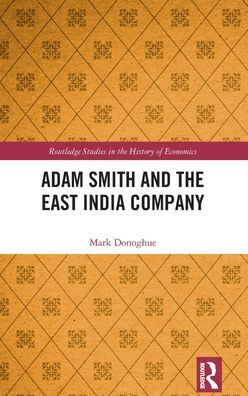
Adam Smith and the East India Company in Franklin, TN
Current price: $190.00
Barnes and Noble
Adam Smith and the East India Company in Franklin, TN
Current price: $190.00
Loading Inventory...
Size: Hardcover
This book examines Adam Smith’s perspectives on the India question during a pivotal juncture when the East India Company evolved from a commercial enterprise into a de facto imperial authority in India. Smith astutely recognised the significance of this transition and anticipated its potential to unleash societal change. Yet despite the importance of his observations in The Wealth of Nations, Smith’s treatment of the East India Company’s operations and governance in India has received limited scholarly attention. This study addresses that oversight by arguing that Smith’s reflections on India constitute an essential dimension of his political economy.
Situating Smith within broader eighteenth-century debates on trade, colonial policy, and the moral legitimacy of empire, this study reinterprets his position on the East India Company’s monopoly, the integration of Indo-European commerce, and the consequences of territorial acquisition in India. Challenging prevailing historiographical interpretations, it offers a new reading of Smith’s views on the transfer of Indian territories to the British Crown. Although Smith neither visited India nor engaged directly in colonial administration or trade, his sustained interest in Indian affairs profoundly shaped his thinking on governance, commerce, and imperial reform. The book highlights Smith’s recognition of India’s wealth, his awareness of the strategic importance of the East Indies trade, and his call for institutional reforms to reconcile the East India Company’s interests with Britain’s evolving imperial responsibilities. In doing so, it dispels the assumption that Smith’s theories were detached from the economic and political realities of empire and instead positions him as a key figure in the intellectual history of imperial thought. Bridging the fields of economic thought, imperial history, and Indian historiography, this book offers a fresh perspective on Smith’s enduring relevance.
At a time when questions about global trade, corporate power, and the legacies of empire remain deeply contested, Adam Smith and the East India Company revisits the early economic, political, and diplomatic entanglements between Britain and India, revealing how historical ties continue to shape the present. These insights are especially timely today, as the United Kingdom and India have recently concluded a new free trade agreement aimed at enhancing mutual market access—including in Indian textiles and gems, commodities once central to eighteenth-century trade flows and formative in shaping empire and global commerce. History reminds us that such exchanges are seldom without precedent. Economic exchange in the age of Smith laid the foundations for enduring commercial relationships and illustrates how contemporary agreements often reflect historical patterns forged in the crucible of early globalisation.
This study will appeal to scholars and advanced research students in the history of economic thought, Indian economic history, business history, imperial studies, and eighteenth-century intellectual history.
Situating Smith within broader eighteenth-century debates on trade, colonial policy, and the moral legitimacy of empire, this study reinterprets his position on the East India Company’s monopoly, the integration of Indo-European commerce, and the consequences of territorial acquisition in India. Challenging prevailing historiographical interpretations, it offers a new reading of Smith’s views on the transfer of Indian territories to the British Crown. Although Smith neither visited India nor engaged directly in colonial administration or trade, his sustained interest in Indian affairs profoundly shaped his thinking on governance, commerce, and imperial reform. The book highlights Smith’s recognition of India’s wealth, his awareness of the strategic importance of the East Indies trade, and his call for institutional reforms to reconcile the East India Company’s interests with Britain’s evolving imperial responsibilities. In doing so, it dispels the assumption that Smith’s theories were detached from the economic and political realities of empire and instead positions him as a key figure in the intellectual history of imperial thought. Bridging the fields of economic thought, imperial history, and Indian historiography, this book offers a fresh perspective on Smith’s enduring relevance.
At a time when questions about global trade, corporate power, and the legacies of empire remain deeply contested, Adam Smith and the East India Company revisits the early economic, political, and diplomatic entanglements between Britain and India, revealing how historical ties continue to shape the present. These insights are especially timely today, as the United Kingdom and India have recently concluded a new free trade agreement aimed at enhancing mutual market access—including in Indian textiles and gems, commodities once central to eighteenth-century trade flows and formative in shaping empire and global commerce. History reminds us that such exchanges are seldom without precedent. Economic exchange in the age of Smith laid the foundations for enduring commercial relationships and illustrates how contemporary agreements often reflect historical patterns forged in the crucible of early globalisation.
This study will appeal to scholars and advanced research students in the history of economic thought, Indian economic history, business history, imperial studies, and eighteenth-century intellectual history.
This book examines Adam Smith’s perspectives on the India question during a pivotal juncture when the East India Company evolved from a commercial enterprise into a de facto imperial authority in India. Smith astutely recognised the significance of this transition and anticipated its potential to unleash societal change. Yet despite the importance of his observations in The Wealth of Nations, Smith’s treatment of the East India Company’s operations and governance in India has received limited scholarly attention. This study addresses that oversight by arguing that Smith’s reflections on India constitute an essential dimension of his political economy.
Situating Smith within broader eighteenth-century debates on trade, colonial policy, and the moral legitimacy of empire, this study reinterprets his position on the East India Company’s monopoly, the integration of Indo-European commerce, and the consequences of territorial acquisition in India. Challenging prevailing historiographical interpretations, it offers a new reading of Smith’s views on the transfer of Indian territories to the British Crown. Although Smith neither visited India nor engaged directly in colonial administration or trade, his sustained interest in Indian affairs profoundly shaped his thinking on governance, commerce, and imperial reform. The book highlights Smith’s recognition of India’s wealth, his awareness of the strategic importance of the East Indies trade, and his call for institutional reforms to reconcile the East India Company’s interests with Britain’s evolving imperial responsibilities. In doing so, it dispels the assumption that Smith’s theories were detached from the economic and political realities of empire and instead positions him as a key figure in the intellectual history of imperial thought. Bridging the fields of economic thought, imperial history, and Indian historiography, this book offers a fresh perspective on Smith’s enduring relevance.
At a time when questions about global trade, corporate power, and the legacies of empire remain deeply contested, Adam Smith and the East India Company revisits the early economic, political, and diplomatic entanglements between Britain and India, revealing how historical ties continue to shape the present. These insights are especially timely today, as the United Kingdom and India have recently concluded a new free trade agreement aimed at enhancing mutual market access—including in Indian textiles and gems, commodities once central to eighteenth-century trade flows and formative in shaping empire and global commerce. History reminds us that such exchanges are seldom without precedent. Economic exchange in the age of Smith laid the foundations for enduring commercial relationships and illustrates how contemporary agreements often reflect historical patterns forged in the crucible of early globalisation.
This study will appeal to scholars and advanced research students in the history of economic thought, Indian economic history, business history, imperial studies, and eighteenth-century intellectual history.
Situating Smith within broader eighteenth-century debates on trade, colonial policy, and the moral legitimacy of empire, this study reinterprets his position on the East India Company’s monopoly, the integration of Indo-European commerce, and the consequences of territorial acquisition in India. Challenging prevailing historiographical interpretations, it offers a new reading of Smith’s views on the transfer of Indian territories to the British Crown. Although Smith neither visited India nor engaged directly in colonial administration or trade, his sustained interest in Indian affairs profoundly shaped his thinking on governance, commerce, and imperial reform. The book highlights Smith’s recognition of India’s wealth, his awareness of the strategic importance of the East Indies trade, and his call for institutional reforms to reconcile the East India Company’s interests with Britain’s evolving imperial responsibilities. In doing so, it dispels the assumption that Smith’s theories were detached from the economic and political realities of empire and instead positions him as a key figure in the intellectual history of imperial thought. Bridging the fields of economic thought, imperial history, and Indian historiography, this book offers a fresh perspective on Smith’s enduring relevance.
At a time when questions about global trade, corporate power, and the legacies of empire remain deeply contested, Adam Smith and the East India Company revisits the early economic, political, and diplomatic entanglements between Britain and India, revealing how historical ties continue to shape the present. These insights are especially timely today, as the United Kingdom and India have recently concluded a new free trade agreement aimed at enhancing mutual market access—including in Indian textiles and gems, commodities once central to eighteenth-century trade flows and formative in shaping empire and global commerce. History reminds us that such exchanges are seldom without precedent. Economic exchange in the age of Smith laid the foundations for enduring commercial relationships and illustrates how contemporary agreements often reflect historical patterns forged in the crucible of early globalisation.
This study will appeal to scholars and advanced research students in the history of economic thought, Indian economic history, business history, imperial studies, and eighteenth-century intellectual history.
You May Also Like










More About Barnes and Noble at CoolSprings Galleria
Barnes & Noble is the world’s largest retail bookseller and a leading retailer of content, digital media and educational products. Our Nook Digital business offers a lineup of NOOK® tablets and e-Readers and an expansive collection of digital reading content through the NOOK Store®. Barnes & Noble’s mission is to operate the best omni-channel specialty retail business in America, helping both our customers and booksellers reach their aspirations, while being a credit to the communities we serve.
1800 Galleria Blvd #1310, Franklin, TN 37067, United States
Find Barnes and Noble at CoolSprings Galleria in Franklin, TN
Visit Barnes and Noble at CoolSprings Galleria in Franklin, TN
