
Home
Aesthetic and Philosophical Reflections on Mood: Stimmung Modernity
Barnes and Noble
Loading Inventory...
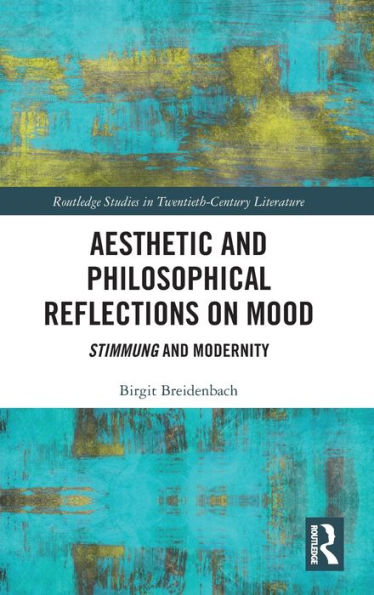
Aesthetic and Philosophical Reflections on Mood: Stimmung Modernity in Franklin, TN
Current price: $190.00
Barnes and Noble
Aesthetic and Philosophical Reflections on Mood: Stimmung Modernity in Franklin, TN
Current price: $190.00
Loading Inventory...
Size: Hardcover
This study explores the concept of
Stimmung
in literary and philosophical texts of the modern age. Signifying both 'mood' and 'attunement',
speaks to the categories of affective experience and aesthetic design alike. The study locates itself in the nexus between discourses on modernity, existentialism and aesthetics and uncovers the pivotal role of
in 19th- and 20th-century European narrative fiction and continental philosophy. The study first explores the philosophical and aesthetic origins and implications of
to, then, discuss its role in the narrative fiction of three key authors of modern literature: Fyodor Dostoevsky, Samuel Beckett and Thomas Bernhard. These readings demonstrate a significant shift towards an aesthetic of affective intensity and immediacy, in which the experience of the reading process takes centre stage as each author develops an aesthetic philosophy of
in their own right. Through its focus on the concept of
, the study thus unearths a fundamental link between existentialist concerns and narrative practice in modern literature.
Stimmung
in literary and philosophical texts of the modern age. Signifying both 'mood' and 'attunement',
speaks to the categories of affective experience and aesthetic design alike. The study locates itself in the nexus between discourses on modernity, existentialism and aesthetics and uncovers the pivotal role of
in 19th- and 20th-century European narrative fiction and continental philosophy. The study first explores the philosophical and aesthetic origins and implications of
to, then, discuss its role in the narrative fiction of three key authors of modern literature: Fyodor Dostoevsky, Samuel Beckett and Thomas Bernhard. These readings demonstrate a significant shift towards an aesthetic of affective intensity and immediacy, in which the experience of the reading process takes centre stage as each author develops an aesthetic philosophy of
in their own right. Through its focus on the concept of
, the study thus unearths a fundamental link between existentialist concerns and narrative practice in modern literature.
This study explores the concept of
Stimmung
in literary and philosophical texts of the modern age. Signifying both 'mood' and 'attunement',
speaks to the categories of affective experience and aesthetic design alike. The study locates itself in the nexus between discourses on modernity, existentialism and aesthetics and uncovers the pivotal role of
in 19th- and 20th-century European narrative fiction and continental philosophy. The study first explores the philosophical and aesthetic origins and implications of
to, then, discuss its role in the narrative fiction of three key authors of modern literature: Fyodor Dostoevsky, Samuel Beckett and Thomas Bernhard. These readings demonstrate a significant shift towards an aesthetic of affective intensity and immediacy, in which the experience of the reading process takes centre stage as each author develops an aesthetic philosophy of
in their own right. Through its focus on the concept of
, the study thus unearths a fundamental link between existentialist concerns and narrative practice in modern literature.
Stimmung
in literary and philosophical texts of the modern age. Signifying both 'mood' and 'attunement',
speaks to the categories of affective experience and aesthetic design alike. The study locates itself in the nexus between discourses on modernity, existentialism and aesthetics and uncovers the pivotal role of
in 19th- and 20th-century European narrative fiction and continental philosophy. The study first explores the philosophical and aesthetic origins and implications of
to, then, discuss its role in the narrative fiction of three key authors of modern literature: Fyodor Dostoevsky, Samuel Beckett and Thomas Bernhard. These readings demonstrate a significant shift towards an aesthetic of affective intensity and immediacy, in which the experience of the reading process takes centre stage as each author develops an aesthetic philosophy of
in their own right. Through its focus on the concept of
, the study thus unearths a fundamental link between existentialist concerns and narrative practice in modern literature.
You May Also Like











More About Barnes and Noble at CoolSprings Galleria
Barnes & Noble is the world’s largest retail bookseller and a leading retailer of content, digital media and educational products. Our Nook Digital business offers a lineup of NOOK® tablets and e-Readers and an expansive collection of digital reading content through the NOOK Store®. Barnes & Noble’s mission is to operate the best omni-channel specialty retail business in America, helping both our customers and booksellers reach their aspirations, while being a credit to the communities we serve.
1800 Galleria Blvd #1310, Franklin, TN 37067, United States
Find Barnes and Noble at CoolSprings Galleria in Franklin, TN
Visit Barnes and Noble at CoolSprings Galleria in Franklin, TN
