
Home
Alvin York: A New Biography of the Hero Argonne
Barnes and Noble
Loading Inventory...
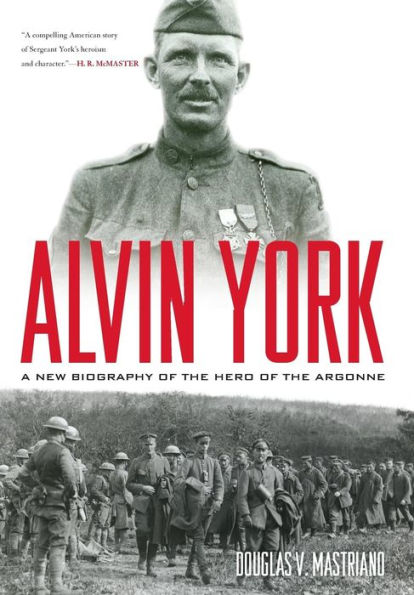
Alvin York: A New Biography of the Hero Argonne in Franklin, TN
Current price: $36.95
Barnes and Noble
Alvin York: A New Biography of the Hero Argonne in Franklin, TN
Current price: $36.95
Loading Inventory...
Size: Hardcover
Alvin C. York (1887–1964)—devout Christian, conscientious objector, and reluctant hero of World War I—is one of America's most famous and celebrated soldiers. Known to generations through Gary Cooper's Academy Awardwinning portrayal in the 1941 film
Sergeant York
, York is credited with the capture of 132 German soldiers on October 8, 1918, in the MeuseArgonne region of France—a deed for which he was awarded the Congressional Medal of Honor.
At war's end, the media glorified York's bravery but some members of the German military and a soldier from his own unit cast aspersions on his wartime heroics. Historians continue to debate whether York has received more recognition than he deserves. A fierce disagreement about the location of the battle in the Argonne forest has further complicated the soldier's legacy.
In
Alvin York
, Douglas V. Mastriano sorts fact from myth in the first fulllength biography of York in decades. He meticulously examines York's youth in the hills of east Tennessee, his service in the Great War, and his return to a quiet civilian life dedicated to charity. By reviewing artifacts recovered from the battlefield using military terrain analysis, forensic study, and research in both German and American archives, Mastriano reconstructs the events of October 8 and corroborates the recorded accounts. On the eve of the WWI centennial,
promises to be a major contribution to twentiethcentury military history.
Sergeant York
, York is credited with the capture of 132 German soldiers on October 8, 1918, in the MeuseArgonne region of France—a deed for which he was awarded the Congressional Medal of Honor.
At war's end, the media glorified York's bravery but some members of the German military and a soldier from his own unit cast aspersions on his wartime heroics. Historians continue to debate whether York has received more recognition than he deserves. A fierce disagreement about the location of the battle in the Argonne forest has further complicated the soldier's legacy.
In
Alvin York
, Douglas V. Mastriano sorts fact from myth in the first fulllength biography of York in decades. He meticulously examines York's youth in the hills of east Tennessee, his service in the Great War, and his return to a quiet civilian life dedicated to charity. By reviewing artifacts recovered from the battlefield using military terrain analysis, forensic study, and research in both German and American archives, Mastriano reconstructs the events of October 8 and corroborates the recorded accounts. On the eve of the WWI centennial,
promises to be a major contribution to twentiethcentury military history.
Alvin C. York (1887–1964)—devout Christian, conscientious objector, and reluctant hero of World War I—is one of America's most famous and celebrated soldiers. Known to generations through Gary Cooper's Academy Awardwinning portrayal in the 1941 film
Sergeant York
, York is credited with the capture of 132 German soldiers on October 8, 1918, in the MeuseArgonne region of France—a deed for which he was awarded the Congressional Medal of Honor.
At war's end, the media glorified York's bravery but some members of the German military and a soldier from his own unit cast aspersions on his wartime heroics. Historians continue to debate whether York has received more recognition than he deserves. A fierce disagreement about the location of the battle in the Argonne forest has further complicated the soldier's legacy.
In
Alvin York
, Douglas V. Mastriano sorts fact from myth in the first fulllength biography of York in decades. He meticulously examines York's youth in the hills of east Tennessee, his service in the Great War, and his return to a quiet civilian life dedicated to charity. By reviewing artifacts recovered from the battlefield using military terrain analysis, forensic study, and research in both German and American archives, Mastriano reconstructs the events of October 8 and corroborates the recorded accounts. On the eve of the WWI centennial,
promises to be a major contribution to twentiethcentury military history.
Sergeant York
, York is credited with the capture of 132 German soldiers on October 8, 1918, in the MeuseArgonne region of France—a deed for which he was awarded the Congressional Medal of Honor.
At war's end, the media glorified York's bravery but some members of the German military and a soldier from his own unit cast aspersions on his wartime heroics. Historians continue to debate whether York has received more recognition than he deserves. A fierce disagreement about the location of the battle in the Argonne forest has further complicated the soldier's legacy.
In
Alvin York
, Douglas V. Mastriano sorts fact from myth in the first fulllength biography of York in decades. He meticulously examines York's youth in the hills of east Tennessee, his service in the Great War, and his return to a quiet civilian life dedicated to charity. By reviewing artifacts recovered from the battlefield using military terrain analysis, forensic study, and research in both German and American archives, Mastriano reconstructs the events of October 8 and corroborates the recorded accounts. On the eve of the WWI centennial,
promises to be a major contribution to twentiethcentury military history.
You May Also Like













More About Barnes and Noble at CoolSprings Galleria
Barnes & Noble is the world’s largest retail bookseller and a leading retailer of content, digital media and educational products. Our Nook Digital business offers a lineup of NOOK® tablets and e-Readers and an expansive collection of digital reading content through the NOOK Store®. Barnes & Noble’s mission is to operate the best omni-channel specialty retail business in America, helping both our customers and booksellers reach their aspirations, while being a credit to the communities we serve.
1800 Galleria Blvd #1310, Franklin, TN 37067, United States
Find Barnes and Noble at CoolSprings Galleria in Franklin, TN
Visit Barnes and Noble at CoolSprings Galleria in Franklin, TN
