
Home
Amore e Non Amore
Barnes and Noble
Loading Inventory...
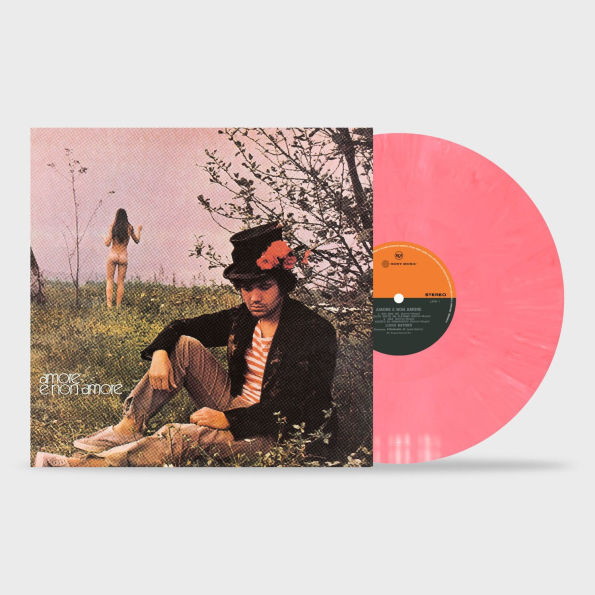
Amore e Non Amore in Franklin, TN
Current price: $38.99
Barnes and Noble
Amore e Non Amore in Franklin, TN
Current price: $38.99
Loading Inventory...
Size: OS
Originally released in 1971 (and reissued on
Water
in 2006),
Lucio Battisti
's seminal
Amore e Non Amore
was actually put out by his former label,
Ricordi
-- who still had the rights to the songs -- after
Battisti
and lyricist
Mogol
left to build up their own company,
Numero Uno
. Still, it stands as one of the artist's most important records, and it's a big step forward in
Italian rock
music. Moving away from the more sentimental, sweet-string-laden songs and arrangements that haunt Romance-language
pop
(including
's),
is as good as any album released that year (and yes, that's referring to
Zeppelin IV
and
Sticky Fingers
).
's voice has a rough, unpracticed quality to it that heightens the emotional intensity of his songs. He sounds desperate, or perhaps just unbearably nervous, like a panicky teenager on his first date, in the opener, the fantastic
"Dio Mio No"
(also found on the 1969 self-titled debut), as he waits for a woman to arrive at his house for dinner. Later in the song, he's hardly able to control himself when he sees her approaching him in pajamas, his voice a half-sob/half-yelp of joy as he squawks out "cosa fai, che cosa fai?," before the song breaks into two minutes of
modal
organ and guitar riffs. Even though half of the eight songs are instrumentals, their long, descriptive titles (
"Davanti a un Distributore Automatico di Fiori dell'Aeroporto di Bruxelles Anch'io Chiuso in una Bolla di Vetro"
or
"7 Agosto di Pomeriggio, fra le Lamiere Roventi di un Cimitero di Automoboli Solo Io, Silenzioso Eppure Straordinariamente Vivo"
) explain the situation as well as any of
's lyrics do. The band -- and everything is arranged and composed by
-- is tight and crisp, yet loose enough to allow for
improvisation
and pure groove. It's great, affecting
rock
music: the two guitars and the piano play off and with one another while the bass, drums, organ, and the occasional
orchestral
arrangement add a warm rhythm that moves the song along with concentrated and direct feeling.
is short: it clocks in at just over 35 minutes, but it's an excellent album that shows
at his best and most beloved, with honest lyrics that are reflected in his voice and in his music. ~ Marisa Brown
Water
in 2006),
Lucio Battisti
's seminal
Amore e Non Amore
was actually put out by his former label,
Ricordi
-- who still had the rights to the songs -- after
Battisti
and lyricist
Mogol
left to build up their own company,
Numero Uno
. Still, it stands as one of the artist's most important records, and it's a big step forward in
Italian rock
music. Moving away from the more sentimental, sweet-string-laden songs and arrangements that haunt Romance-language
pop
(including
's),
is as good as any album released that year (and yes, that's referring to
Zeppelin IV
and
Sticky Fingers
).
's voice has a rough, unpracticed quality to it that heightens the emotional intensity of his songs. He sounds desperate, or perhaps just unbearably nervous, like a panicky teenager on his first date, in the opener, the fantastic
"Dio Mio No"
(also found on the 1969 self-titled debut), as he waits for a woman to arrive at his house for dinner. Later in the song, he's hardly able to control himself when he sees her approaching him in pajamas, his voice a half-sob/half-yelp of joy as he squawks out "cosa fai, che cosa fai?," before the song breaks into two minutes of
modal
organ and guitar riffs. Even though half of the eight songs are instrumentals, their long, descriptive titles (
"Davanti a un Distributore Automatico di Fiori dell'Aeroporto di Bruxelles Anch'io Chiuso in una Bolla di Vetro"
or
"7 Agosto di Pomeriggio, fra le Lamiere Roventi di un Cimitero di Automoboli Solo Io, Silenzioso Eppure Straordinariamente Vivo"
) explain the situation as well as any of
's lyrics do. The band -- and everything is arranged and composed by
-- is tight and crisp, yet loose enough to allow for
improvisation
and pure groove. It's great, affecting
rock
music: the two guitars and the piano play off and with one another while the bass, drums, organ, and the occasional
orchestral
arrangement add a warm rhythm that moves the song along with concentrated and direct feeling.
is short: it clocks in at just over 35 minutes, but it's an excellent album that shows
at his best and most beloved, with honest lyrics that are reflected in his voice and in his music. ~ Marisa Brown
Originally released in 1971 (and reissued on
Water
in 2006),
Lucio Battisti
's seminal
Amore e Non Amore
was actually put out by his former label,
Ricordi
-- who still had the rights to the songs -- after
Battisti
and lyricist
Mogol
left to build up their own company,
Numero Uno
. Still, it stands as one of the artist's most important records, and it's a big step forward in
Italian rock
music. Moving away from the more sentimental, sweet-string-laden songs and arrangements that haunt Romance-language
pop
(including
's),
is as good as any album released that year (and yes, that's referring to
Zeppelin IV
and
Sticky Fingers
).
's voice has a rough, unpracticed quality to it that heightens the emotional intensity of his songs. He sounds desperate, or perhaps just unbearably nervous, like a panicky teenager on his first date, in the opener, the fantastic
"Dio Mio No"
(also found on the 1969 self-titled debut), as he waits for a woman to arrive at his house for dinner. Later in the song, he's hardly able to control himself when he sees her approaching him in pajamas, his voice a half-sob/half-yelp of joy as he squawks out "cosa fai, che cosa fai?," before the song breaks into two minutes of
modal
organ and guitar riffs. Even though half of the eight songs are instrumentals, their long, descriptive titles (
"Davanti a un Distributore Automatico di Fiori dell'Aeroporto di Bruxelles Anch'io Chiuso in una Bolla di Vetro"
or
"7 Agosto di Pomeriggio, fra le Lamiere Roventi di un Cimitero di Automoboli Solo Io, Silenzioso Eppure Straordinariamente Vivo"
) explain the situation as well as any of
's lyrics do. The band -- and everything is arranged and composed by
-- is tight and crisp, yet loose enough to allow for
improvisation
and pure groove. It's great, affecting
rock
music: the two guitars and the piano play off and with one another while the bass, drums, organ, and the occasional
orchestral
arrangement add a warm rhythm that moves the song along with concentrated and direct feeling.
is short: it clocks in at just over 35 minutes, but it's an excellent album that shows
at his best and most beloved, with honest lyrics that are reflected in his voice and in his music. ~ Marisa Brown
Water
in 2006),
Lucio Battisti
's seminal
Amore e Non Amore
was actually put out by his former label,
Ricordi
-- who still had the rights to the songs -- after
Battisti
and lyricist
Mogol
left to build up their own company,
Numero Uno
. Still, it stands as one of the artist's most important records, and it's a big step forward in
Italian rock
music. Moving away from the more sentimental, sweet-string-laden songs and arrangements that haunt Romance-language
pop
(including
's),
is as good as any album released that year (and yes, that's referring to
Zeppelin IV
and
Sticky Fingers
).
's voice has a rough, unpracticed quality to it that heightens the emotional intensity of his songs. He sounds desperate, or perhaps just unbearably nervous, like a panicky teenager on his first date, in the opener, the fantastic
"Dio Mio No"
(also found on the 1969 self-titled debut), as he waits for a woman to arrive at his house for dinner. Later in the song, he's hardly able to control himself when he sees her approaching him in pajamas, his voice a half-sob/half-yelp of joy as he squawks out "cosa fai, che cosa fai?," before the song breaks into two minutes of
modal
organ and guitar riffs. Even though half of the eight songs are instrumentals, their long, descriptive titles (
"Davanti a un Distributore Automatico di Fiori dell'Aeroporto di Bruxelles Anch'io Chiuso in una Bolla di Vetro"
or
"7 Agosto di Pomeriggio, fra le Lamiere Roventi di un Cimitero di Automoboli Solo Io, Silenzioso Eppure Straordinariamente Vivo"
) explain the situation as well as any of
's lyrics do. The band -- and everything is arranged and composed by
-- is tight and crisp, yet loose enough to allow for
improvisation
and pure groove. It's great, affecting
rock
music: the two guitars and the piano play off and with one another while the bass, drums, organ, and the occasional
orchestral
arrangement add a warm rhythm that moves the song along with concentrated and direct feeling.
is short: it clocks in at just over 35 minutes, but it's an excellent album that shows
at his best and most beloved, with honest lyrics that are reflected in his voice and in his music. ~ Marisa Brown
You May Also Like














More About Barnes and Noble at CoolSprings Galleria
Barnes & Noble is the world’s largest retail bookseller and a leading retailer of content, digital media and educational products. Our Nook Digital business offers a lineup of NOOK® tablets and e-Readers and an expansive collection of digital reading content through the NOOK Store®. Barnes & Noble’s mission is to operate the best omni-channel specialty retail business in America, helping both our customers and booksellers reach their aspirations, while being a credit to the communities we serve.
1800 Galleria Blvd #1310, Franklin, TN 37067, United States
Find Barnes and Noble at CoolSprings Galleria in Franklin, TN
Visit Barnes and Noble at CoolSprings Galleria in Franklin, TN
