
Home
Ars et Ingenium: The Embodiment of Imagination in Francesco di Giorgio Martini's Drawings
Barnes and Noble
Loading Inventory...
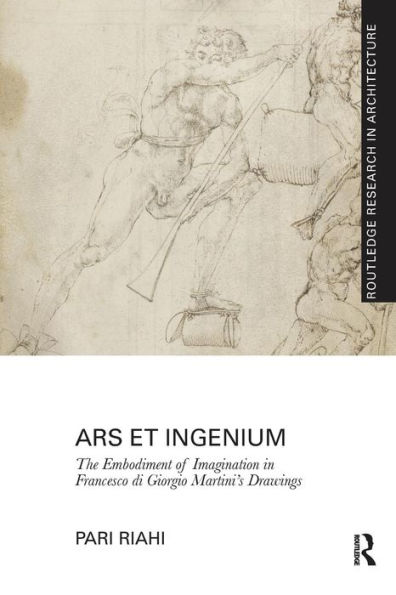
Ars et Ingenium: The Embodiment of Imagination in Francesco di Giorgio Martini's Drawings in Franklin, TN
Current price: $66.99
Barnes and Noble
Ars et Ingenium: The Embodiment of Imagination in Francesco di Giorgio Martini's Drawings in Franklin, TN
Current price: $66.99
Loading Inventory...
Size: OS
When did drawing become an integral part of architecture? Among several architects and artists who brought about this change during the Renaissance, Francesco di Giorgio Martini’s ideas on drawing recorded in his
Trattati di architettura, ingegneria e arte militare
(1475-1490) are significant. Francesco suggests that drawing is linked to the architect’s imagination and central in conveying images and ideas to others.
Starting with the broader edges of Francesco’s written work and steadily penetrating into the fantastic world of his drawings, the book examines his singular formulation of the act of drawing and its significance in the context of the Renaissance. The book concludes with speculations on how Francesco’s work is relevant to us at the onset of another major shift in architecture caused by the proliferation of digital media.
Trattati di architettura, ingegneria e arte militare
(1475-1490) are significant. Francesco suggests that drawing is linked to the architect’s imagination and central in conveying images and ideas to others.
Starting with the broader edges of Francesco’s written work and steadily penetrating into the fantastic world of his drawings, the book examines his singular formulation of the act of drawing and its significance in the context of the Renaissance. The book concludes with speculations on how Francesco’s work is relevant to us at the onset of another major shift in architecture caused by the proliferation of digital media.
When did drawing become an integral part of architecture? Among several architects and artists who brought about this change during the Renaissance, Francesco di Giorgio Martini’s ideas on drawing recorded in his
Trattati di architettura, ingegneria e arte militare
(1475-1490) are significant. Francesco suggests that drawing is linked to the architect’s imagination and central in conveying images and ideas to others.
Starting with the broader edges of Francesco’s written work and steadily penetrating into the fantastic world of his drawings, the book examines his singular formulation of the act of drawing and its significance in the context of the Renaissance. The book concludes with speculations on how Francesco’s work is relevant to us at the onset of another major shift in architecture caused by the proliferation of digital media.
Trattati di architettura, ingegneria e arte militare
(1475-1490) are significant. Francesco suggests that drawing is linked to the architect’s imagination and central in conveying images and ideas to others.
Starting with the broader edges of Francesco’s written work and steadily penetrating into the fantastic world of his drawings, the book examines his singular formulation of the act of drawing and its significance in the context of the Renaissance. The book concludes with speculations on how Francesco’s work is relevant to us at the onset of another major shift in architecture caused by the proliferation of digital media.
You May Also Like


















More About Barnes and Noble at CoolSprings Galleria
Barnes & Noble is the world’s largest retail bookseller and a leading retailer of content, digital media and educational products. Our Nook Digital business offers a lineup of NOOK® tablets and e-Readers and an expansive collection of digital reading content through the NOOK Store®. Barnes & Noble’s mission is to operate the best omni-channel specialty retail business in America, helping both our customers and booksellers reach their aspirations, while being a credit to the communities we serve.
1800 Galleria Blvd #1310, Franklin, TN 37067, United States
Find Barnes and Noble at CoolSprings Galleria in Franklin, TN
Visit Barnes and Noble at CoolSprings Galleria in Franklin, TN
