
Home
Bach: Das Wohltemperirte Clavier 1
Barnes and Noble
Loading Inventory...
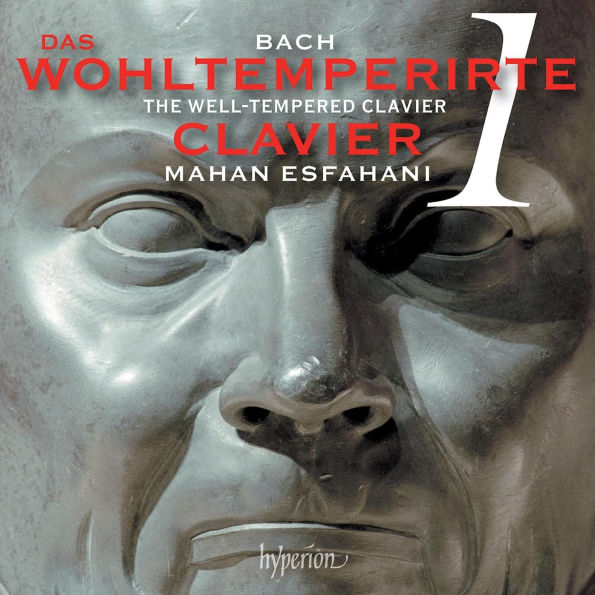
Bach: Das Wohltemperirte Clavier 1 in Franklin, TN
Current price: $27.99
Barnes and Noble
Bach: Das Wohltemperirte Clavier 1 in Franklin, TN
Current price: $27.99
Loading Inventory...
Size: OS
Mahan Esfahani
's
Bach
recordings on harpsichord have attracted attention and quite a body of fans, so it was no surprise to see this set of the preludes and fugues from the
Well-Tempered Clavier, Book 1, BWV 846-869
, appear on classical best-seller lists in the late summer of 2025. Indeed, the double album may be one of the pinnacles of the series, inasmuch as this work is one of
's most complex and ambitious, and receives an interpretation here that is both brilliant and thoughtful. The
Preludes and Fugues
raise various major issues, including whether one is listening to one work or a collection of 24.
Esfahani
comes down on the former side, emphasizing that by repeating the opening
Prelude in C major, BWV 846
, at the end of the set. This is but one detail that might not have occurred to
. Another is the tuning of
's double harpsichord, based on one made by
Johann Heinrich Harrass
in 1710. He and builder
Huw Saunders
do not, in fact, apply equal temperament, arguing that the phrase "Wohl-Temperierte Clavier" ("Well-Tempered Clavier") meant something else in
's time. The main intervals in some of the pieces are brighter than others. This is a subject for debate, but one has to admit that it works well with
's overall conception of the work, which involves the introduction of considerable drama among its various parts. Some of
's more chromatic preludes are ponderous and mystical, and they are followed by especially brilliant fugues.
introduces a good deal of rubato, and in one case, almost a full pause. He tends to apply the rubato especially to ornamentation, resulting in a highly expressive effect. Each prelude and fugue pair is given its own flavor, but there are also connections drawn throughout, and the whole set feels like a coherent journey. The overall effect, as with
's other
releases, is a performance that is highly individualistic, profoundly thought out, and, above all, respectful of the monumentality of its subject. That would be true even if extra sacralization had not been applied by the engineers to a church environment that is unsuited to the music. ~ James Manheim
's
Bach
recordings on harpsichord have attracted attention and quite a body of fans, so it was no surprise to see this set of the preludes and fugues from the
Well-Tempered Clavier, Book 1, BWV 846-869
, appear on classical best-seller lists in the late summer of 2025. Indeed, the double album may be one of the pinnacles of the series, inasmuch as this work is one of
's most complex and ambitious, and receives an interpretation here that is both brilliant and thoughtful. The
Preludes and Fugues
raise various major issues, including whether one is listening to one work or a collection of 24.
Esfahani
comes down on the former side, emphasizing that by repeating the opening
Prelude in C major, BWV 846
, at the end of the set. This is but one detail that might not have occurred to
. Another is the tuning of
's double harpsichord, based on one made by
Johann Heinrich Harrass
in 1710. He and builder
Huw Saunders
do not, in fact, apply equal temperament, arguing that the phrase "Wohl-Temperierte Clavier" ("Well-Tempered Clavier") meant something else in
's time. The main intervals in some of the pieces are brighter than others. This is a subject for debate, but one has to admit that it works well with
's overall conception of the work, which involves the introduction of considerable drama among its various parts. Some of
's more chromatic preludes are ponderous and mystical, and they are followed by especially brilliant fugues.
introduces a good deal of rubato, and in one case, almost a full pause. He tends to apply the rubato especially to ornamentation, resulting in a highly expressive effect. Each prelude and fugue pair is given its own flavor, but there are also connections drawn throughout, and the whole set feels like a coherent journey. The overall effect, as with
's other
releases, is a performance that is highly individualistic, profoundly thought out, and, above all, respectful of the monumentality of its subject. That would be true even if extra sacralization had not been applied by the engineers to a church environment that is unsuited to the music. ~ James Manheim
Mahan Esfahani
's
Bach
recordings on harpsichord have attracted attention and quite a body of fans, so it was no surprise to see this set of the preludes and fugues from the
Well-Tempered Clavier, Book 1, BWV 846-869
, appear on classical best-seller lists in the late summer of 2025. Indeed, the double album may be one of the pinnacles of the series, inasmuch as this work is one of
's most complex and ambitious, and receives an interpretation here that is both brilliant and thoughtful. The
Preludes and Fugues
raise various major issues, including whether one is listening to one work or a collection of 24.
Esfahani
comes down on the former side, emphasizing that by repeating the opening
Prelude in C major, BWV 846
, at the end of the set. This is but one detail that might not have occurred to
. Another is the tuning of
's double harpsichord, based on one made by
Johann Heinrich Harrass
in 1710. He and builder
Huw Saunders
do not, in fact, apply equal temperament, arguing that the phrase "Wohl-Temperierte Clavier" ("Well-Tempered Clavier") meant something else in
's time. The main intervals in some of the pieces are brighter than others. This is a subject for debate, but one has to admit that it works well with
's overall conception of the work, which involves the introduction of considerable drama among its various parts. Some of
's more chromatic preludes are ponderous and mystical, and they are followed by especially brilliant fugues.
introduces a good deal of rubato, and in one case, almost a full pause. He tends to apply the rubato especially to ornamentation, resulting in a highly expressive effect. Each prelude and fugue pair is given its own flavor, but there are also connections drawn throughout, and the whole set feels like a coherent journey. The overall effect, as with
's other
releases, is a performance that is highly individualistic, profoundly thought out, and, above all, respectful of the monumentality of its subject. That would be true even if extra sacralization had not been applied by the engineers to a church environment that is unsuited to the music. ~ James Manheim
's
Bach
recordings on harpsichord have attracted attention and quite a body of fans, so it was no surprise to see this set of the preludes and fugues from the
Well-Tempered Clavier, Book 1, BWV 846-869
, appear on classical best-seller lists in the late summer of 2025. Indeed, the double album may be one of the pinnacles of the series, inasmuch as this work is one of
's most complex and ambitious, and receives an interpretation here that is both brilliant and thoughtful. The
Preludes and Fugues
raise various major issues, including whether one is listening to one work or a collection of 24.
Esfahani
comes down on the former side, emphasizing that by repeating the opening
Prelude in C major, BWV 846
, at the end of the set. This is but one detail that might not have occurred to
. Another is the tuning of
's double harpsichord, based on one made by
Johann Heinrich Harrass
in 1710. He and builder
Huw Saunders
do not, in fact, apply equal temperament, arguing that the phrase "Wohl-Temperierte Clavier" ("Well-Tempered Clavier") meant something else in
's time. The main intervals in some of the pieces are brighter than others. This is a subject for debate, but one has to admit that it works well with
's overall conception of the work, which involves the introduction of considerable drama among its various parts. Some of
's more chromatic preludes are ponderous and mystical, and they are followed by especially brilliant fugues.
introduces a good deal of rubato, and in one case, almost a full pause. He tends to apply the rubato especially to ornamentation, resulting in a highly expressive effect. Each prelude and fugue pair is given its own flavor, but there are also connections drawn throughout, and the whole set feels like a coherent journey. The overall effect, as with
's other
releases, is a performance that is highly individualistic, profoundly thought out, and, above all, respectful of the monumentality of its subject. That would be true even if extra sacralization had not been applied by the engineers to a church environment that is unsuited to the music. ~ James Manheim
You May Also Like



![Bach: The Well-Tempered Clavier [1973]](https://prodimage.images-bn.com/pimages/0602003687204_p0_v2_s600x595.jpg)








More About Barnes and Noble at CoolSprings Galleria
Barnes & Noble is the world’s largest retail bookseller and a leading retailer of content, digital media and educational products. Our Nook Digital business offers a lineup of NOOK® tablets and e-Readers and an expansive collection of digital reading content through the NOOK Store®. Barnes & Noble’s mission is to operate the best omni-channel specialty retail business in America, helping both our customers and booksellers reach their aspirations, while being a credit to the communities we serve.
1800 Galleria Blvd #1310, Franklin, TN 37067, United States
Find Barnes and Noble at CoolSprings Galleria in Franklin, TN
Visit Barnes and Noble at CoolSprings Galleria in Franklin, TN