
Home
Being a Woman and Tatar: Intersectional Perspectives on Identity Tradition
Barnes and Noble
Loading Inventory...
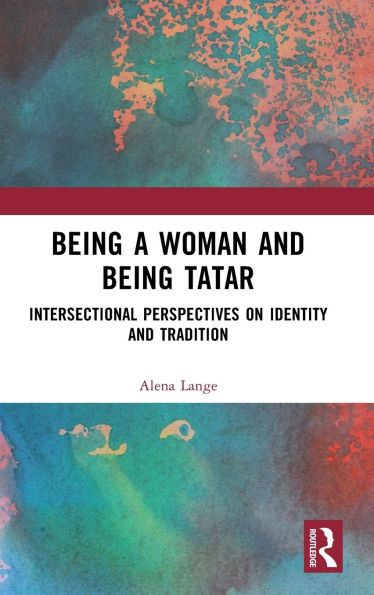
Being a Woman and Tatar: Intersectional Perspectives on Identity Tradition in Franklin, TN
Current price: $190.00
Barnes and Noble
Being a Woman and Tatar: Intersectional Perspectives on Identity Tradition in Franklin, TN
Current price: $190.00
Loading Inventory...
Size: Hardcover
Being a Woman and Being Tatar
uses ethnographic research to explore the multifaceted and complex identities – such as gender, ethnicity, religion – of Tatar women in Siberia and Estonia.
Focusing on the intersections and interactions of multiple identities and exploring that focus through Tatar women’s own voices, narratives, and subjectivity, this book unfolds women’s stories about what it means to be a woman and to be a Tatar in a post-Soviet situation through narrations of their aspirations, their sexuality, their relationship with relatives, and the dynamics of power and hierarchy they feel themselves within. It explores how identity and tradition are shaped by state politics, and also brings attention to new geographical areas, including the Tyumen region and Estonia.
will demonstrate to those studying gender studies and cultural anthropology the intricacies of Tatar women’s identities, and invites readers to better understand the Tatar women’s diversity across Eastern Europe and Russia.
uses ethnographic research to explore the multifaceted and complex identities – such as gender, ethnicity, religion – of Tatar women in Siberia and Estonia.
Focusing on the intersections and interactions of multiple identities and exploring that focus through Tatar women’s own voices, narratives, and subjectivity, this book unfolds women’s stories about what it means to be a woman and to be a Tatar in a post-Soviet situation through narrations of their aspirations, their sexuality, their relationship with relatives, and the dynamics of power and hierarchy they feel themselves within. It explores how identity and tradition are shaped by state politics, and also brings attention to new geographical areas, including the Tyumen region and Estonia.
will demonstrate to those studying gender studies and cultural anthropology the intricacies of Tatar women’s identities, and invites readers to better understand the Tatar women’s diversity across Eastern Europe and Russia.
Being a Woman and Being Tatar
uses ethnographic research to explore the multifaceted and complex identities – such as gender, ethnicity, religion – of Tatar women in Siberia and Estonia.
Focusing on the intersections and interactions of multiple identities and exploring that focus through Tatar women’s own voices, narratives, and subjectivity, this book unfolds women’s stories about what it means to be a woman and to be a Tatar in a post-Soviet situation through narrations of their aspirations, their sexuality, their relationship with relatives, and the dynamics of power and hierarchy they feel themselves within. It explores how identity and tradition are shaped by state politics, and also brings attention to new geographical areas, including the Tyumen region and Estonia.
will demonstrate to those studying gender studies and cultural anthropology the intricacies of Tatar women’s identities, and invites readers to better understand the Tatar women’s diversity across Eastern Europe and Russia.
uses ethnographic research to explore the multifaceted and complex identities – such as gender, ethnicity, religion – of Tatar women in Siberia and Estonia.
Focusing on the intersections and interactions of multiple identities and exploring that focus through Tatar women’s own voices, narratives, and subjectivity, this book unfolds women’s stories about what it means to be a woman and to be a Tatar in a post-Soviet situation through narrations of their aspirations, their sexuality, their relationship with relatives, and the dynamics of power and hierarchy they feel themselves within. It explores how identity and tradition are shaped by state politics, and also brings attention to new geographical areas, including the Tyumen region and Estonia.
will demonstrate to those studying gender studies and cultural anthropology the intricacies of Tatar women’s identities, and invites readers to better understand the Tatar women’s diversity across Eastern Europe and Russia.
You May Also Like











More About Barnes and Noble at CoolSprings Galleria
Barnes & Noble is the world’s largest retail bookseller and a leading retailer of content, digital media and educational products. Our Nook Digital business offers a lineup of NOOK® tablets and e-Readers and an expansive collection of digital reading content through the NOOK Store®. Barnes & Noble’s mission is to operate the best omni-channel specialty retail business in America, helping both our customers and booksellers reach their aspirations, while being a credit to the communities we serve.
1800 Galleria Blvd #1310, Franklin, TN 37067, United States
Find Barnes and Noble at CoolSprings Galleria in Franklin, TN
Visit Barnes and Noble at CoolSprings Galleria in Franklin, TN