
Home
Béla Bartók: The Miraculous Mandarin Op. 19; Violin Concerto No. 2
Barnes and Noble
Loading Inventory...
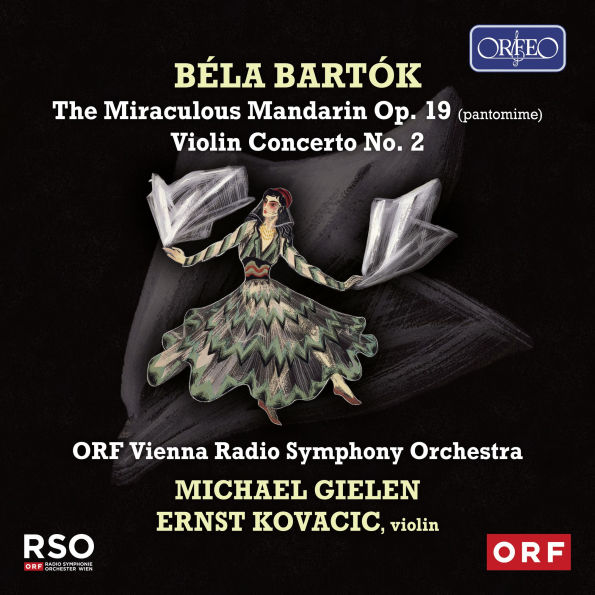
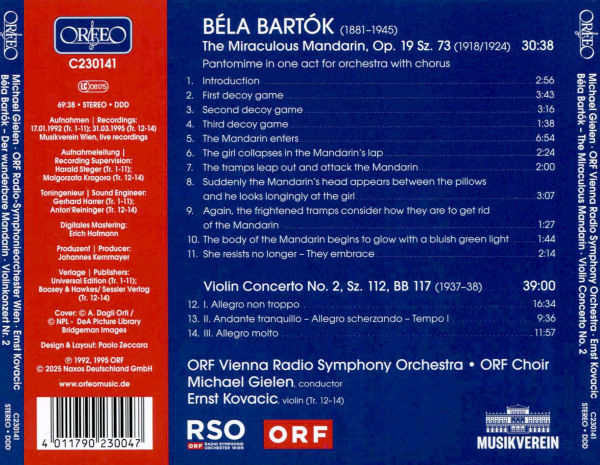
Béla Bartók: The Miraculous Mandarin Op. 19; Violin Concerto No. 2 in Franklin, TN
Current price: $22.99
Barnes and Noble
Béla Bartók: The Miraculous Mandarin Op. 19; Violin Concerto No. 2 in Franklin, TN
Current price: $22.99
Loading Inventory...
Size: OS
The recordings here were made in 1992 (
The Miraculous Mandarin
) and 1995 (the
Violin Concerto No. 2
) by the
ORF Vienna Radio Symphony Orchestra
, which did not even bear that name back then. There is no clear explanation for why they were reissued in 2025 by the
Naxos
label. However, the likeliest one seems to be that someone realized that they captured a strong moment in the history of this stalwart Vienna ensemble. The names of conductor
Michael Gielen
, best known among continental European connoisseurs, and violinist
Ernst Kovacic
, a longtime Viennese presence, are hardly household ones, but both acquit themselves beautifully.
has the crucial mix of clean, penetrating string sound with sharp rocking rhythms that lets one imagine the dire scenes being pantomimed. The
, although it dates from the late '30s when
Bartók
's style was beginning to moderate in the direction of accessibility, is among his most difficult works, with 12-tone themes (although no 12-tone system) and a dryly spacious solo part.
Kovacic
takes it for exactly what it is, and concentration here will repay the effort. The early '90s sound is rather typical of the era, but this is a fine entry in any
library, and
deserves commendation for bringing it back into the market. ~ James Manheim
The Miraculous Mandarin
) and 1995 (the
Violin Concerto No. 2
) by the
ORF Vienna Radio Symphony Orchestra
, which did not even bear that name back then. There is no clear explanation for why they were reissued in 2025 by the
Naxos
label. However, the likeliest one seems to be that someone realized that they captured a strong moment in the history of this stalwart Vienna ensemble. The names of conductor
Michael Gielen
, best known among continental European connoisseurs, and violinist
Ernst Kovacic
, a longtime Viennese presence, are hardly household ones, but both acquit themselves beautifully.
has the crucial mix of clean, penetrating string sound with sharp rocking rhythms that lets one imagine the dire scenes being pantomimed. The
, although it dates from the late '30s when
Bartók
's style was beginning to moderate in the direction of accessibility, is among his most difficult works, with 12-tone themes (although no 12-tone system) and a dryly spacious solo part.
Kovacic
takes it for exactly what it is, and concentration here will repay the effort. The early '90s sound is rather typical of the era, but this is a fine entry in any
library, and
deserves commendation for bringing it back into the market. ~ James Manheim
The recordings here were made in 1992 (
The Miraculous Mandarin
) and 1995 (the
Violin Concerto No. 2
) by the
ORF Vienna Radio Symphony Orchestra
, which did not even bear that name back then. There is no clear explanation for why they were reissued in 2025 by the
Naxos
label. However, the likeliest one seems to be that someone realized that they captured a strong moment in the history of this stalwart Vienna ensemble. The names of conductor
Michael Gielen
, best known among continental European connoisseurs, and violinist
Ernst Kovacic
, a longtime Viennese presence, are hardly household ones, but both acquit themselves beautifully.
has the crucial mix of clean, penetrating string sound with sharp rocking rhythms that lets one imagine the dire scenes being pantomimed. The
, although it dates from the late '30s when
Bartók
's style was beginning to moderate in the direction of accessibility, is among his most difficult works, with 12-tone themes (although no 12-tone system) and a dryly spacious solo part.
Kovacic
takes it for exactly what it is, and concentration here will repay the effort. The early '90s sound is rather typical of the era, but this is a fine entry in any
library, and
deserves commendation for bringing it back into the market. ~ James Manheim
The Miraculous Mandarin
) and 1995 (the
Violin Concerto No. 2
) by the
ORF Vienna Radio Symphony Orchestra
, which did not even bear that name back then. There is no clear explanation for why they were reissued in 2025 by the
Naxos
label. However, the likeliest one seems to be that someone realized that they captured a strong moment in the history of this stalwart Vienna ensemble. The names of conductor
Michael Gielen
, best known among continental European connoisseurs, and violinist
Ernst Kovacic
, a longtime Viennese presence, are hardly household ones, but both acquit themselves beautifully.
has the crucial mix of clean, penetrating string sound with sharp rocking rhythms that lets one imagine the dire scenes being pantomimed. The
, although it dates from the late '30s when
Bartók
's style was beginning to moderate in the direction of accessibility, is among his most difficult works, with 12-tone themes (although no 12-tone system) and a dryly spacious solo part.
Kovacic
takes it for exactly what it is, and concentration here will repay the effort. The early '90s sound is rather typical of the era, but this is a fine entry in any
library, and
deserves commendation for bringing it back into the market. ~ James Manheim
You May Also Like












More About Barnes and Noble at CoolSprings Galleria
Barnes & Noble is the world’s largest retail bookseller and a leading retailer of content, digital media and educational products. Our Nook Digital business offers a lineup of NOOK® tablets and e-Readers and an expansive collection of digital reading content through the NOOK Store®. Barnes & Noble’s mission is to operate the best omni-channel specialty retail business in America, helping both our customers and booksellers reach their aspirations, while being a credit to the communities we serve.
1800 Galleria Blvd #1310, Franklin, TN 37067, United States
Find Barnes and Noble at CoolSprings Galleria in Franklin, TN
Visit Barnes and Noble at CoolSprings Galleria in Franklin, TN
