
Home
Benjamin Britten and Russia
Barnes and Noble
Loading Inventory...
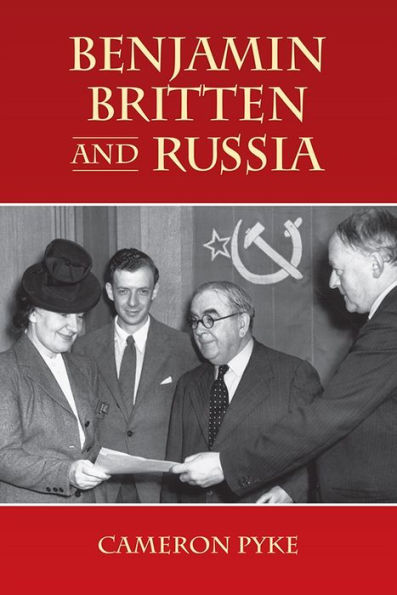
Benjamin Britten and Russia in Franklin, TN
Current price: $60.00
Barnes and Noble
Benjamin Britten and Russia in Franklin, TN
Current price: $60.00
Loading Inventory...
Size: OS
Explores Benjamin Britten's deeplyfelt cultural affinity with Russia and influences on the 'Russian' Britten.
This book explores Benjamin Britten's creative relationship with Russia throughout his life by examining his engagement with Russian composers, musicians and writers in the context of twentiethcentury politics. The remarkable relationship between Britten and Shostakovich is a central theme, but it also evaluates other key influences, particularly Britten's passion for Tchaikovsky, his more elusive fascination with Prokofiev, and his ambiguous attitude towards Stravinsky; and it places Britten's enduring friendships with Rostropovich, Vishnevskaya and Richter in the context of his musical output. The book also analyses Britten's responses to various Russian composers and musicians why, for example, did he dislike Musorgsky? and considers personal and political perceptions of Britten in the Soviet Union. Finally, it assesses the wider question of Russian influence on Britten's works and in turn whether Britten's music had any influence on the younger generation of Russian composers, such as Alfred Schnittke. This study draws on Foreign Office and British Council files at the National Archives, published and unpublished material from the former Soviet Union, including the Shostakovich Family Archive, and oral history, in addition to the Brittenrelated archives.
Benjamin Britten and Russia
will appeal not only to Britten scholars and students but also to those interested in twentiethcentury culture, history and politics more widely.
CAMERON PYKE is Deputy Master (External) at Dulwich College and parttime lecturer at the Centre of Russian Music, Goldsmiths, University of London.
This book explores Benjamin Britten's creative relationship with Russia throughout his life by examining his engagement with Russian composers, musicians and writers in the context of twentiethcentury politics. The remarkable relationship between Britten and Shostakovich is a central theme, but it also evaluates other key influences, particularly Britten's passion for Tchaikovsky, his more elusive fascination with Prokofiev, and his ambiguous attitude towards Stravinsky; and it places Britten's enduring friendships with Rostropovich, Vishnevskaya and Richter in the context of his musical output. The book also analyses Britten's responses to various Russian composers and musicians why, for example, did he dislike Musorgsky? and considers personal and political perceptions of Britten in the Soviet Union. Finally, it assesses the wider question of Russian influence on Britten's works and in turn whether Britten's music had any influence on the younger generation of Russian composers, such as Alfred Schnittke. This study draws on Foreign Office and British Council files at the National Archives, published and unpublished material from the former Soviet Union, including the Shostakovich Family Archive, and oral history, in addition to the Brittenrelated archives.
Benjamin Britten and Russia
will appeal not only to Britten scholars and students but also to those interested in twentiethcentury culture, history and politics more widely.
CAMERON PYKE is Deputy Master (External) at Dulwich College and parttime lecturer at the Centre of Russian Music, Goldsmiths, University of London.
Explores Benjamin Britten's deeplyfelt cultural affinity with Russia and influences on the 'Russian' Britten.
This book explores Benjamin Britten's creative relationship with Russia throughout his life by examining his engagement with Russian composers, musicians and writers in the context of twentiethcentury politics. The remarkable relationship between Britten and Shostakovich is a central theme, but it also evaluates other key influences, particularly Britten's passion for Tchaikovsky, his more elusive fascination with Prokofiev, and his ambiguous attitude towards Stravinsky; and it places Britten's enduring friendships with Rostropovich, Vishnevskaya and Richter in the context of his musical output. The book also analyses Britten's responses to various Russian composers and musicians why, for example, did he dislike Musorgsky? and considers personal and political perceptions of Britten in the Soviet Union. Finally, it assesses the wider question of Russian influence on Britten's works and in turn whether Britten's music had any influence on the younger generation of Russian composers, such as Alfred Schnittke. This study draws on Foreign Office and British Council files at the National Archives, published and unpublished material from the former Soviet Union, including the Shostakovich Family Archive, and oral history, in addition to the Brittenrelated archives.
Benjamin Britten and Russia
will appeal not only to Britten scholars and students but also to those interested in twentiethcentury culture, history and politics more widely.
CAMERON PYKE is Deputy Master (External) at Dulwich College and parttime lecturer at the Centre of Russian Music, Goldsmiths, University of London.
This book explores Benjamin Britten's creative relationship with Russia throughout his life by examining his engagement with Russian composers, musicians and writers in the context of twentiethcentury politics. The remarkable relationship between Britten and Shostakovich is a central theme, but it also evaluates other key influences, particularly Britten's passion for Tchaikovsky, his more elusive fascination with Prokofiev, and his ambiguous attitude towards Stravinsky; and it places Britten's enduring friendships with Rostropovich, Vishnevskaya and Richter in the context of his musical output. The book also analyses Britten's responses to various Russian composers and musicians why, for example, did he dislike Musorgsky? and considers personal and political perceptions of Britten in the Soviet Union. Finally, it assesses the wider question of Russian influence on Britten's works and in turn whether Britten's music had any influence on the younger generation of Russian composers, such as Alfred Schnittke. This study draws on Foreign Office and British Council files at the National Archives, published and unpublished material from the former Soviet Union, including the Shostakovich Family Archive, and oral history, in addition to the Brittenrelated archives.
Benjamin Britten and Russia
will appeal not only to Britten scholars and students but also to those interested in twentiethcentury culture, history and politics more widely.
CAMERON PYKE is Deputy Master (External) at Dulwich College and parttime lecturer at the Centre of Russian Music, Goldsmiths, University of London.
You May Also Like









More About Barnes and Noble at CoolSprings Galleria
Barnes & Noble is the world’s largest retail bookseller and a leading retailer of content, digital media and educational products. Our Nook Digital business offers a lineup of NOOK® tablets and e-Readers and an expansive collection of digital reading content through the NOOK Store®. Barnes & Noble’s mission is to operate the best omni-channel specialty retail business in America, helping both our customers and booksellers reach their aspirations, while being a credit to the communities we serve.
1800 Galleria Blvd #1310, Franklin, TN 37067, United States
Find Barnes and Noble at CoolSprings Galleria in Franklin, TN
Visit Barnes and Noble at CoolSprings Galleria in Franklin, TN
