
Home
Central Sector in Goi�nia: uses and counter-uses in public space
Barnes and Noble
Loading Inventory...
Central Sector in Goi�nia: uses and counter-uses in public space in Franklin, TN
Current price: $72.00
Barnes and Noble
Central Sector in Goi�nia: uses and counter-uses in public space in Franklin, TN
Current price: $72.00
Loading Inventory...
Size: OS
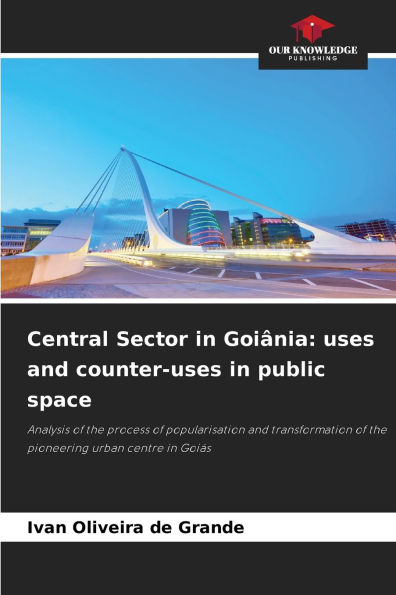
This paper discusses the changes in the uses of public spaces in the pioneering centre of the city of Goiânia and how their current appropriations (counter-uses) are at odds with traditionally proposed uses, creating a new socio-spatial dynamic. It also reveals how such counter-uses in contemporary times contribute to the scenario of continuous degradation of the capital's heritage and urban space. The objects of study include public spaces such as main streets and avenues, the main squares and alleys of the Central Sector. Based on a review of the literature, an understanding of the changes in the public sphere of cities, and field surveys, there is a growing increase in the search by citizens for private collective spaces, a fact that contributes both to the emptying of public spaces in the central region and to the increasing difficulty of accessibility - whether physical or visual - to certain areas of public domain. In conclusion, there is a noticeable decline in the city's central spaces as public places, which are now characterised as non-relational and transitory spaces.
This paper discusses the changes in the uses of public spaces in the pioneering centre of the city of Goiânia and how their current appropriations (counter-uses) are at odds with traditionally proposed uses, creating a new socio-spatial dynamic. It also reveals how such counter-uses in contemporary times contribute to the scenario of continuous degradation of the capital's heritage and urban space. The objects of study include public spaces such as main streets and avenues, the main squares and alleys of the Central Sector. Based on a review of the literature, an understanding of the changes in the public sphere of cities, and field surveys, there is a growing increase in the search by citizens for private collective spaces, a fact that contributes both to the emptying of public spaces in the central region and to the increasing difficulty of accessibility - whether physical or visual - to certain areas of public domain. In conclusion, there is a noticeable decline in the city's central spaces as public places, which are now characterised as non-relational and transitory spaces.
You May Also Like









More About Barnes and Noble at CoolSprings Galleria
Barnes & Noble is the world’s largest retail bookseller and a leading retailer of content, digital media and educational products. Our Nook Digital business offers a lineup of NOOK® tablets and e-Readers and an expansive collection of digital reading content through the NOOK Store®. Barnes & Noble’s mission is to operate the best omni-channel specialty retail business in America, helping both our customers and booksellers reach their aspirations, while being a credit to the communities we serve.
1800 Galleria Blvd #1310, Franklin, TN 37067, United States
Find Barnes and Noble at CoolSprings Galleria in Franklin, TN
Visit Barnes and Noble at CoolSprings Galleria in Franklin, TN
