
Home
Chinese Literature English Sinology: Cultural Translation of Literary Knowledge, 1807-1901
Barnes and Noble
Loading Inventory...
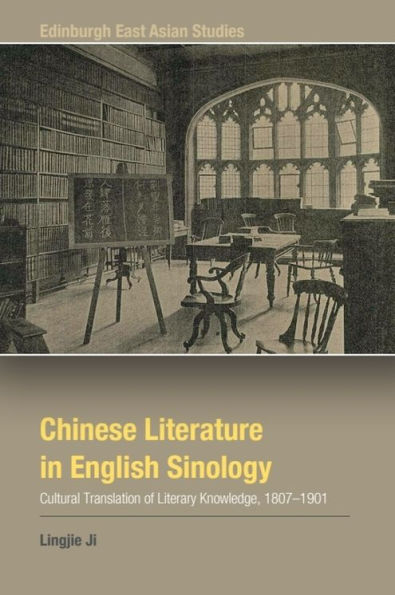
Chinese Literature English Sinology: Cultural Translation of Literary Knowledge, 1807-1901 in Franklin, TN
Current price: $115.00
Barnes and Noble
Chinese Literature English Sinology: Cultural Translation of Literary Knowledge, 1807-1901 in Franklin, TN
Current price: $115.00
Loading Inventory...
Size: Hardcover
Chinese Literature in English Sinology
takes an exciting new approach to SinoBritish literary and cultural encounters in the nineteenth century, focusing specifically on British Sinologists’ study of Chinese literature in the English language. It provides the first comprehensive exploration of their writings on Chinese literature as a form of literary knowledge constructed through the process of cultural translation—a translingual and transcultural rewriting. The analysis reveals the interaction between Chinese and English literary concepts and paradigms in their study that gave rise to ideas about Chinese literature still influential today.
Drawing attention to the political implication of literary knowledge, this book also demonstrates that Sinologists’ interpretation of Chinese literature played an important role in shaping the British cultural imagination of China. Tracing this uncharted history,
contributes to present and future debates on the intercultural reading and studies of Chinese literature by offering a genealogical understanding of its origins and ramifications.
takes an exciting new approach to SinoBritish literary and cultural encounters in the nineteenth century, focusing specifically on British Sinologists’ study of Chinese literature in the English language. It provides the first comprehensive exploration of their writings on Chinese literature as a form of literary knowledge constructed through the process of cultural translation—a translingual and transcultural rewriting. The analysis reveals the interaction between Chinese and English literary concepts and paradigms in their study that gave rise to ideas about Chinese literature still influential today.
Drawing attention to the political implication of literary knowledge, this book also demonstrates that Sinologists’ interpretation of Chinese literature played an important role in shaping the British cultural imagination of China. Tracing this uncharted history,
contributes to present and future debates on the intercultural reading and studies of Chinese literature by offering a genealogical understanding of its origins and ramifications.
Chinese Literature in English Sinology
takes an exciting new approach to SinoBritish literary and cultural encounters in the nineteenth century, focusing specifically on British Sinologists’ study of Chinese literature in the English language. It provides the first comprehensive exploration of their writings on Chinese literature as a form of literary knowledge constructed through the process of cultural translation—a translingual and transcultural rewriting. The analysis reveals the interaction between Chinese and English literary concepts and paradigms in their study that gave rise to ideas about Chinese literature still influential today.
Drawing attention to the political implication of literary knowledge, this book also demonstrates that Sinologists’ interpretation of Chinese literature played an important role in shaping the British cultural imagination of China. Tracing this uncharted history,
contributes to present and future debates on the intercultural reading and studies of Chinese literature by offering a genealogical understanding of its origins and ramifications.
takes an exciting new approach to SinoBritish literary and cultural encounters in the nineteenth century, focusing specifically on British Sinologists’ study of Chinese literature in the English language. It provides the first comprehensive exploration of their writings on Chinese literature as a form of literary knowledge constructed through the process of cultural translation—a translingual and transcultural rewriting. The analysis reveals the interaction between Chinese and English literary concepts and paradigms in their study that gave rise to ideas about Chinese literature still influential today.
Drawing attention to the political implication of literary knowledge, this book also demonstrates that Sinologists’ interpretation of Chinese literature played an important role in shaping the British cultural imagination of China. Tracing this uncharted history,
contributes to present and future debates on the intercultural reading and studies of Chinese literature by offering a genealogical understanding of its origins and ramifications.
You May Also Like













More About Barnes and Noble at CoolSprings Galleria
Barnes & Noble is the world’s largest retail bookseller and a leading retailer of content, digital media and educational products. Our Nook Digital business offers a lineup of NOOK® tablets and e-Readers and an expansive collection of digital reading content through the NOOK Store®. Barnes & Noble’s mission is to operate the best omni-channel specialty retail business in America, helping both our customers and booksellers reach their aspirations, while being a credit to the communities we serve.
1800 Galleria Blvd #1310, Franklin, TN 37067, United States
Find Barnes and Noble at CoolSprings Galleria in Franklin, TN
Visit Barnes and Noble at CoolSprings Galleria in Franklin, TN
