
Home
Consciousness Beyond Death: New and Old Light on Near-Death Experiences
Barnes and Noble
Loading Inventory...
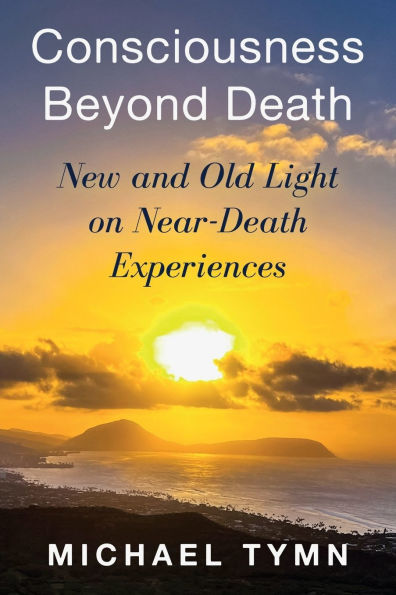
Consciousness Beyond Death: New and Old Light on Near-Death Experiences in Franklin, TN
Current price: $16.99
Barnes and Noble
Consciousness Beyond Death: New and Old Light on Near-Death Experiences in Franklin, TN
Current price: $16.99
Loading Inventory...
Size: OS
In recent years, NDE researchers have dared to suggest the phenomenon is evidence that consciousness survives death, validating the words of St. Paul that we have two bodies-physical and spiritual-the spirit body separating from the physical body at the time of death. This anthology examines a number of profound NDEs during the past two centuries.
Y
"Acceptance of the findings of near-death researchers would mark the beginning of the end of a culture whose driving forces have been greed and ambition, and which measures success in terms of material possessions, wealth, reputation, and social status. the present culture, therefore, has an enormous, vested interest in undermining near-death research, which it does through ignoring, debunking, and otherwise marginalizing the research.
"More subtly, our culture has created an atmosphere of 'taboo, ' for want of a better name, around any serious discussions of spirituality. This is why we tend to feel uneasy and awkward in discussing these things with colleagues. To avoid these feelings of discomfort and anxiety generated by the taboo, academics try to protect themselves by employing the same strategies that everyone uses to avoid anxiety."The first strategy is denial. By paying no attention to the research, by ignoring it and dismissing it a priori, the academic is spared the uncomfortable feelings that would arise from violating the taboo. The second strategy is to debunk, to explain away, and to otherwise marginalize the research, and sometimes even the researchers themselves."
Neal Grossman Ph.D.
Y
"Acceptance of the findings of near-death researchers would mark the beginning of the end of a culture whose driving forces have been greed and ambition, and which measures success in terms of material possessions, wealth, reputation, and social status. the present culture, therefore, has an enormous, vested interest in undermining near-death research, which it does through ignoring, debunking, and otherwise marginalizing the research.
"More subtly, our culture has created an atmosphere of 'taboo, ' for want of a better name, around any serious discussions of spirituality. This is why we tend to feel uneasy and awkward in discussing these things with colleagues. To avoid these feelings of discomfort and anxiety generated by the taboo, academics try to protect themselves by employing the same strategies that everyone uses to avoid anxiety."The first strategy is denial. By paying no attention to the research, by ignoring it and dismissing it a priori, the academic is spared the uncomfortable feelings that would arise from violating the taboo. The second strategy is to debunk, to explain away, and to otherwise marginalize the research, and sometimes even the researchers themselves."
Neal Grossman Ph.D.
In recent years, NDE researchers have dared to suggest the phenomenon is evidence that consciousness survives death, validating the words of St. Paul that we have two bodies-physical and spiritual-the spirit body separating from the physical body at the time of death. This anthology examines a number of profound NDEs during the past two centuries.
Y
"Acceptance of the findings of near-death researchers would mark the beginning of the end of a culture whose driving forces have been greed and ambition, and which measures success in terms of material possessions, wealth, reputation, and social status. the present culture, therefore, has an enormous, vested interest in undermining near-death research, which it does through ignoring, debunking, and otherwise marginalizing the research.
"More subtly, our culture has created an atmosphere of 'taboo, ' for want of a better name, around any serious discussions of spirituality. This is why we tend to feel uneasy and awkward in discussing these things with colleagues. To avoid these feelings of discomfort and anxiety generated by the taboo, academics try to protect themselves by employing the same strategies that everyone uses to avoid anxiety."The first strategy is denial. By paying no attention to the research, by ignoring it and dismissing it a priori, the academic is spared the uncomfortable feelings that would arise from violating the taboo. The second strategy is to debunk, to explain away, and to otherwise marginalize the research, and sometimes even the researchers themselves."
Neal Grossman Ph.D.
Y
"Acceptance of the findings of near-death researchers would mark the beginning of the end of a culture whose driving forces have been greed and ambition, and which measures success in terms of material possessions, wealth, reputation, and social status. the present culture, therefore, has an enormous, vested interest in undermining near-death research, which it does through ignoring, debunking, and otherwise marginalizing the research.
"More subtly, our culture has created an atmosphere of 'taboo, ' for want of a better name, around any serious discussions of spirituality. This is why we tend to feel uneasy and awkward in discussing these things with colleagues. To avoid these feelings of discomfort and anxiety generated by the taboo, academics try to protect themselves by employing the same strategies that everyone uses to avoid anxiety."The first strategy is denial. By paying no attention to the research, by ignoring it and dismissing it a priori, the academic is spared the uncomfortable feelings that would arise from violating the taboo. The second strategy is to debunk, to explain away, and to otherwise marginalize the research, and sometimes even the researchers themselves."
Neal Grossman Ph.D.
You May Also Like











More About Barnes and Noble at CoolSprings Galleria
Barnes & Noble is the world’s largest retail bookseller and a leading retailer of content, digital media and educational products. Our Nook Digital business offers a lineup of NOOK® tablets and e-Readers and an expansive collection of digital reading content through the NOOK Store®. Barnes & Noble’s mission is to operate the best omni-channel specialty retail business in America, helping both our customers and booksellers reach their aspirations, while being a credit to the communities we serve.
1800 Galleria Blvd #1310, Franklin, TN 37067, United States
Find Barnes and Noble at CoolSprings Galleria in Franklin, TN
Visit Barnes and Noble at CoolSprings Galleria in Franklin, TN
