
Home
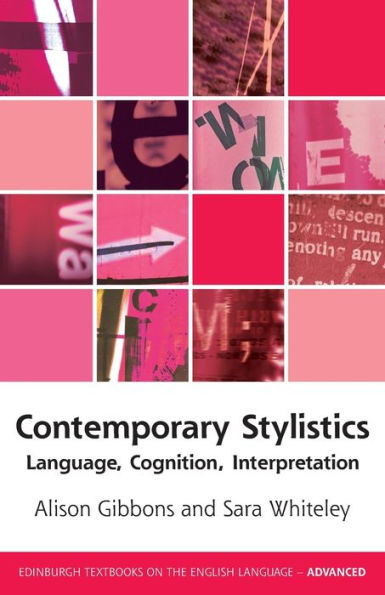
Contemporary Stylistics: Language, Cognition, Interpretation
Barnes and Noble
Loading Inventory...
Contemporary Stylistics: Language, Cognition, Interpretation in Franklin, TN
Current price: $145.00
Barnes and Noble
Contemporary Stylistics: Language, Cognition, Interpretation in Franklin, TN
Current price: $145.00
Loading Inventory...
Size: Hardcover
How do texts create meaning? How do we arrive at our textual interpretations? Why do we become 'lost in a book' or feel deep emotion in response to a literary character? Through close attention to the way texts are written and the language they use, as well as what we know about the human mind, Contemporary Stylistics: Language, Interpretation, Cognition provides readers with the tools to begin answering these questions. In doing so, it introduces the theoretical principles and practical frameworks of stylistics and cognitive poetics, supplying the practical skills to analyse your own responses to literary texts. Including innovative activities for students and with case studies of work by writers like Dylan Thomas, EL James and Kazuo Ishiguro, this is a detailed analysis of contemporary stylistics that offers both historical contextualization of the discipline and points towards its possible future direction.
There are stylistic and cognitive poetic analyses through the book. The key case studies include:
The Canal
- Lee Rourke (2010); 'Zang Tumb Tumb' by Marinetti (1914); 'River in Spate' by Louis MacNeice;
Under Milk Wood
by Dylan Thomas (1954); 'Space Sonnet & Polyfilla' by Edwin Morgan (1977); 'In Defense of Our Overgrown Garden' by Matthea Harvey (2000);
House of Cards
;
What is the What
by Dave Eggers (2006);
Ash Wednesday
by Ethan Hawke (2002);
Fresh Meat
Fifty Shades of Grey
by E. L. James (2012); 'Received Pronunciation' by Sally Goldsmith (2012); 'The house is not the same since you left' by Henry Normal (1993);
The Lives of Others
by Neel Mukherjee (2014);
My Name is Lucy Barton
by Elizabeth Stroud (2016);
How to Get Filthy Rich in Rising Asia
by Mohsin Hamid (2013);
The Unconsoled
by Kazuo Ishiguro (2005);
The One Ronnie
The Girl on the Train
by Paula Hawkins (2015); 'I Am The Song' by Charles Causley; 'Hypothetical' by Maria Taylor; 'This is the Poem in which I Have Not Left You' by Julia Copus (2012);
13, rue Thérèse
by Elena Mauli Shapiro (2011);
Illuminae
by Amie Kaufman and Jay Kristoff (2015);
Karen
by Blast Theory (2015); 'Blood Story' by Melvin Burgess.
There are stylistic and cognitive poetic analyses through the book. The key case studies include:
The Canal
- Lee Rourke (2010); 'Zang Tumb Tumb' by Marinetti (1914); 'River in Spate' by Louis MacNeice;
Under Milk Wood
by Dylan Thomas (1954); 'Space Sonnet & Polyfilla' by Edwin Morgan (1977); 'In Defense of Our Overgrown Garden' by Matthea Harvey (2000);
House of Cards
;
What is the What
by Dave Eggers (2006);
Ash Wednesday
by Ethan Hawke (2002);
Fresh Meat
Fifty Shades of Grey
by E. L. James (2012); 'Received Pronunciation' by Sally Goldsmith (2012); 'The house is not the same since you left' by Henry Normal (1993);
The Lives of Others
by Neel Mukherjee (2014);
My Name is Lucy Barton
by Elizabeth Stroud (2016);
How to Get Filthy Rich in Rising Asia
by Mohsin Hamid (2013);
The Unconsoled
by Kazuo Ishiguro (2005);
The One Ronnie
The Girl on the Train
by Paula Hawkins (2015); 'I Am The Song' by Charles Causley; 'Hypothetical' by Maria Taylor; 'This is the Poem in which I Have Not Left You' by Julia Copus (2012);
13, rue Thérèse
by Elena Mauli Shapiro (2011);
Illuminae
by Amie Kaufman and Jay Kristoff (2015);
Karen
by Blast Theory (2015); 'Blood Story' by Melvin Burgess.
How do texts create meaning? How do we arrive at our textual interpretations? Why do we become 'lost in a book' or feel deep emotion in response to a literary character? Through close attention to the way texts are written and the language they use, as well as what we know about the human mind, Contemporary Stylistics: Language, Interpretation, Cognition provides readers with the tools to begin answering these questions. In doing so, it introduces the theoretical principles and practical frameworks of stylistics and cognitive poetics, supplying the practical skills to analyse your own responses to literary texts. Including innovative activities for students and with case studies of work by writers like Dylan Thomas, EL James and Kazuo Ishiguro, this is a detailed analysis of contemporary stylistics that offers both historical contextualization of the discipline and points towards its possible future direction.
There are stylistic and cognitive poetic analyses through the book. The key case studies include:
The Canal
- Lee Rourke (2010); 'Zang Tumb Tumb' by Marinetti (1914); 'River in Spate' by Louis MacNeice;
Under Milk Wood
by Dylan Thomas (1954); 'Space Sonnet & Polyfilla' by Edwin Morgan (1977); 'In Defense of Our Overgrown Garden' by Matthea Harvey (2000);
House of Cards
;
What is the What
by Dave Eggers (2006);
Ash Wednesday
by Ethan Hawke (2002);
Fresh Meat
Fifty Shades of Grey
by E. L. James (2012); 'Received Pronunciation' by Sally Goldsmith (2012); 'The house is not the same since you left' by Henry Normal (1993);
The Lives of Others
by Neel Mukherjee (2014);
My Name is Lucy Barton
by Elizabeth Stroud (2016);
How to Get Filthy Rich in Rising Asia
by Mohsin Hamid (2013);
The Unconsoled
by Kazuo Ishiguro (2005);
The One Ronnie
The Girl on the Train
by Paula Hawkins (2015); 'I Am The Song' by Charles Causley; 'Hypothetical' by Maria Taylor; 'This is the Poem in which I Have Not Left You' by Julia Copus (2012);
13, rue Thérèse
by Elena Mauli Shapiro (2011);
Illuminae
by Amie Kaufman and Jay Kristoff (2015);
Karen
by Blast Theory (2015); 'Blood Story' by Melvin Burgess.
There are stylistic and cognitive poetic analyses through the book. The key case studies include:
The Canal
- Lee Rourke (2010); 'Zang Tumb Tumb' by Marinetti (1914); 'River in Spate' by Louis MacNeice;
Under Milk Wood
by Dylan Thomas (1954); 'Space Sonnet & Polyfilla' by Edwin Morgan (1977); 'In Defense of Our Overgrown Garden' by Matthea Harvey (2000);
House of Cards
;
What is the What
by Dave Eggers (2006);
Ash Wednesday
by Ethan Hawke (2002);
Fresh Meat
Fifty Shades of Grey
by E. L. James (2012); 'Received Pronunciation' by Sally Goldsmith (2012); 'The house is not the same since you left' by Henry Normal (1993);
The Lives of Others
by Neel Mukherjee (2014);
My Name is Lucy Barton
by Elizabeth Stroud (2016);
How to Get Filthy Rich in Rising Asia
by Mohsin Hamid (2013);
The Unconsoled
by Kazuo Ishiguro (2005);
The One Ronnie
The Girl on the Train
by Paula Hawkins (2015); 'I Am The Song' by Charles Causley; 'Hypothetical' by Maria Taylor; 'This is the Poem in which I Have Not Left You' by Julia Copus (2012);
13, rue Thérèse
by Elena Mauli Shapiro (2011);
Illuminae
by Amie Kaufman and Jay Kristoff (2015);
Karen
by Blast Theory (2015); 'Blood Story' by Melvin Burgess.
You May Also Like









More About Barnes and Noble at CoolSprings Galleria
Barnes & Noble is the world’s largest retail bookseller and a leading retailer of content, digital media and educational products. Our Nook Digital business offers a lineup of NOOK® tablets and e-Readers and an expansive collection of digital reading content through the NOOK Store®. Barnes & Noble’s mission is to operate the best omni-channel specialty retail business in America, helping both our customers and booksellers reach their aspirations, while being a credit to the communities we serve.
1800 Galleria Blvd #1310, Franklin, TN 37067, United States
Find Barnes and Noble at CoolSprings Galleria in Franklin, TN
Visit Barnes and Noble at CoolSprings Galleria in Franklin, TN
