
Home
D. H. Lawrence, Ecofeminism and Nature
Barnes and Noble
Loading Inventory...
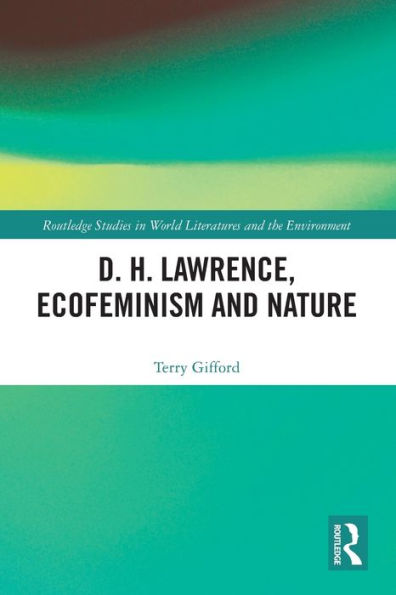
D. H. Lawrence, Ecofeminism and Nature in Franklin, TN
Current price: $190.00
Barnes and Noble
D. H. Lawrence, Ecofeminism and Nature in Franklin, TN
Current price: $190.00
Loading Inventory...
Size: Hardcover
Shortlisted for the ASLE-UKI Prize for Best Academic Monograph
This is the first ecocritical book on the works of D. H. Lawrence and also the first to consider the links between nature and gender in the poetry and the novels. In his search for a balanced relationship between male and female characters, what role does nature play in the challenges Lawrence offers his readers? How far are the anxieties of his characters in negotiating relationships that might threaten their sense of self derived from the same source as their anxieties about engaging with the Other in nature? Indeed, might Lawrence’s metaphors drawn from nature actually be the causes of human actions in
The Rainbow
, for example? The originality of Lawrence’s poetic and narrative strategies for challenging social attitudes towards both nature and gender can be revealed by new approaches offered by ecocritical theory and ecofeminist readings of his books. This book explores ecocritical notions to frame its ecofeminist readings, from the difference between the ‘Other’ and ‘otherness’ in
The White Peacock
and
Lady Chatterley’s Lover
, ‘anotherness’ in the poetry of
Birds, Beasts and Flowers
, psychogeography in
Sea and Sardinia
, emergent ecofeminism in
Sons and Lovers
, land and gender in
The Boy in the Bush
, gender dialogics in
Kangaroo
, human animality in
Women in Love
, trees as tests in
Aaron’s Rod
, to ‘radical animism’ in
The Plumed Serpent
. Finally, three late tales provide a reassessment of ecofeminist insights into Lawrence’s work for readers in the present context of the Anthropocene.
This is the first ecocritical book on the works of D. H. Lawrence and also the first to consider the links between nature and gender in the poetry and the novels. In his search for a balanced relationship between male and female characters, what role does nature play in the challenges Lawrence offers his readers? How far are the anxieties of his characters in negotiating relationships that might threaten their sense of self derived from the same source as their anxieties about engaging with the Other in nature? Indeed, might Lawrence’s metaphors drawn from nature actually be the causes of human actions in
The Rainbow
, for example? The originality of Lawrence’s poetic and narrative strategies for challenging social attitudes towards both nature and gender can be revealed by new approaches offered by ecocritical theory and ecofeminist readings of his books. This book explores ecocritical notions to frame its ecofeminist readings, from the difference between the ‘Other’ and ‘otherness’ in
The White Peacock
and
Lady Chatterley’s Lover
, ‘anotherness’ in the poetry of
Birds, Beasts and Flowers
, psychogeography in
Sea and Sardinia
, emergent ecofeminism in
Sons and Lovers
, land and gender in
The Boy in the Bush
, gender dialogics in
Kangaroo
, human animality in
Women in Love
, trees as tests in
Aaron’s Rod
, to ‘radical animism’ in
The Plumed Serpent
. Finally, three late tales provide a reassessment of ecofeminist insights into Lawrence’s work for readers in the present context of the Anthropocene.
Shortlisted for the ASLE-UKI Prize for Best Academic Monograph
This is the first ecocritical book on the works of D. H. Lawrence and also the first to consider the links between nature and gender in the poetry and the novels. In his search for a balanced relationship between male and female characters, what role does nature play in the challenges Lawrence offers his readers? How far are the anxieties of his characters in negotiating relationships that might threaten their sense of self derived from the same source as their anxieties about engaging with the Other in nature? Indeed, might Lawrence’s metaphors drawn from nature actually be the causes of human actions in
The Rainbow
, for example? The originality of Lawrence’s poetic and narrative strategies for challenging social attitudes towards both nature and gender can be revealed by new approaches offered by ecocritical theory and ecofeminist readings of his books. This book explores ecocritical notions to frame its ecofeminist readings, from the difference between the ‘Other’ and ‘otherness’ in
The White Peacock
and
Lady Chatterley’s Lover
, ‘anotherness’ in the poetry of
Birds, Beasts and Flowers
, psychogeography in
Sea and Sardinia
, emergent ecofeminism in
Sons and Lovers
, land and gender in
The Boy in the Bush
, gender dialogics in
Kangaroo
, human animality in
Women in Love
, trees as tests in
Aaron’s Rod
, to ‘radical animism’ in
The Plumed Serpent
. Finally, three late tales provide a reassessment of ecofeminist insights into Lawrence’s work for readers in the present context of the Anthropocene.
This is the first ecocritical book on the works of D. H. Lawrence and also the first to consider the links between nature and gender in the poetry and the novels. In his search for a balanced relationship between male and female characters, what role does nature play in the challenges Lawrence offers his readers? How far are the anxieties of his characters in negotiating relationships that might threaten their sense of self derived from the same source as their anxieties about engaging with the Other in nature? Indeed, might Lawrence’s metaphors drawn from nature actually be the causes of human actions in
The Rainbow
, for example? The originality of Lawrence’s poetic and narrative strategies for challenging social attitudes towards both nature and gender can be revealed by new approaches offered by ecocritical theory and ecofeminist readings of his books. This book explores ecocritical notions to frame its ecofeminist readings, from the difference between the ‘Other’ and ‘otherness’ in
The White Peacock
and
Lady Chatterley’s Lover
, ‘anotherness’ in the poetry of
Birds, Beasts and Flowers
, psychogeography in
Sea and Sardinia
, emergent ecofeminism in
Sons and Lovers
, land and gender in
The Boy in the Bush
, gender dialogics in
Kangaroo
, human animality in
Women in Love
, trees as tests in
Aaron’s Rod
, to ‘radical animism’ in
The Plumed Serpent
. Finally, three late tales provide a reassessment of ecofeminist insights into Lawrence’s work for readers in the present context of the Anthropocene.
You May Also Like











More About Barnes and Noble at CoolSprings Galleria
Barnes & Noble is the world’s largest retail bookseller and a leading retailer of content, digital media and educational products. Our Nook Digital business offers a lineup of NOOK® tablets and e-Readers and an expansive collection of digital reading content through the NOOK Store®. Barnes & Noble’s mission is to operate the best omni-channel specialty retail business in America, helping both our customers and booksellers reach their aspirations, while being a credit to the communities we serve.
1800 Galleria Blvd #1310, Franklin, TN 37067, United States
Find Barnes and Noble at CoolSprings Galleria in Franklin, TN
Visit Barnes and Noble at CoolSprings Galleria in Franklin, TN
