
Home
Dante and the Typological Tradition
Barnes and Noble
Loading Inventory...
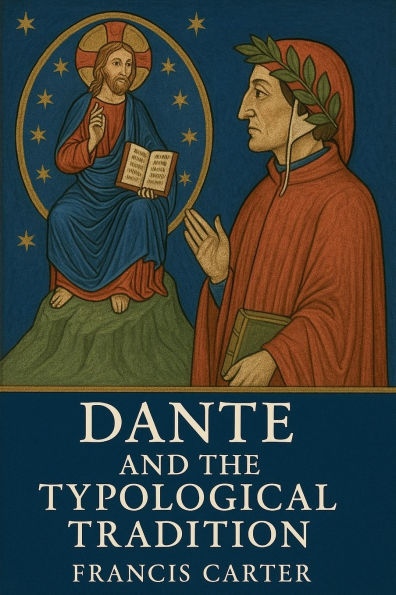
Dante and the Typological Tradition in Franklin, TN
Current price: $15.87
Barnes and Noble
Dante and the Typological Tradition in Franklin, TN
Current price: $15.87
Loading Inventory...
Size: OS
This book offers a comprehensive exploration of how typology-the interpretive method that discerns meaningful connections between earlier "types" and their later fulfillments-functions as the fundamental organizing principle of Dante Alighieri's
Divine Comedy
. Moving beyond traditional approaches that treat typology merely as an occasional literary device, this study demonstrates how Dante transformed this exegetical method into a comprehensive vision that structures every level of his masterpiece.
The study begins by establishing the historical and theological foundations of typological interpretation, examining how this approach developed from biblical exegesis into a broader framework for understanding divine patterns manifested in history. It then explores how Dante employs biblical figures (Adam, Moses, David) as typological anchors, creates typological relationships between sacred spaces (Eden, Temple, New Jerusalem), and uses trinitarian patterns to organize the entire poem.
The central chapters investigate how Dante extends typology beyond its traditional boundaries to encompass new domains: classical literature, where Virgil functions as typological precursor to Christian revelation; contemporary politics, where historical events recapitulate biblical patterns; personal experience, where his relationship with Beatrice participates in Marian typology; and poetic creation itself, where human creativity typologically reflects divine creativity.
The final chapters examine how typology functions not merely as content but as form, shaping both the structure of the poem and the spiritual practice it invites readers to engage in. The book concludes by exploring the enduring relevance of Dante's typological vision, tracing its influence on subsequent literature and its continuing capacity to illuminate perennial questions about how temporal experience relates to eternal significance.
By revealing how typology provides the essential framework for Dante's cosmic vision, this study offers a fresh perspective on the
that illuminates both its medieval context and its continuing power to address fundamental human questions about meaning, purpose, and the relationship between created reality and divine truth.
Divine Comedy
. Moving beyond traditional approaches that treat typology merely as an occasional literary device, this study demonstrates how Dante transformed this exegetical method into a comprehensive vision that structures every level of his masterpiece.
The study begins by establishing the historical and theological foundations of typological interpretation, examining how this approach developed from biblical exegesis into a broader framework for understanding divine patterns manifested in history. It then explores how Dante employs biblical figures (Adam, Moses, David) as typological anchors, creates typological relationships between sacred spaces (Eden, Temple, New Jerusalem), and uses trinitarian patterns to organize the entire poem.
The central chapters investigate how Dante extends typology beyond its traditional boundaries to encompass new domains: classical literature, where Virgil functions as typological precursor to Christian revelation; contemporary politics, where historical events recapitulate biblical patterns; personal experience, where his relationship with Beatrice participates in Marian typology; and poetic creation itself, where human creativity typologically reflects divine creativity.
The final chapters examine how typology functions not merely as content but as form, shaping both the structure of the poem and the spiritual practice it invites readers to engage in. The book concludes by exploring the enduring relevance of Dante's typological vision, tracing its influence on subsequent literature and its continuing capacity to illuminate perennial questions about how temporal experience relates to eternal significance.
By revealing how typology provides the essential framework for Dante's cosmic vision, this study offers a fresh perspective on the
that illuminates both its medieval context and its continuing power to address fundamental human questions about meaning, purpose, and the relationship between created reality and divine truth.
This book offers a comprehensive exploration of how typology-the interpretive method that discerns meaningful connections between earlier "types" and their later fulfillments-functions as the fundamental organizing principle of Dante Alighieri's
Divine Comedy
. Moving beyond traditional approaches that treat typology merely as an occasional literary device, this study demonstrates how Dante transformed this exegetical method into a comprehensive vision that structures every level of his masterpiece.
The study begins by establishing the historical and theological foundations of typological interpretation, examining how this approach developed from biblical exegesis into a broader framework for understanding divine patterns manifested in history. It then explores how Dante employs biblical figures (Adam, Moses, David) as typological anchors, creates typological relationships between sacred spaces (Eden, Temple, New Jerusalem), and uses trinitarian patterns to organize the entire poem.
The central chapters investigate how Dante extends typology beyond its traditional boundaries to encompass new domains: classical literature, where Virgil functions as typological precursor to Christian revelation; contemporary politics, where historical events recapitulate biblical patterns; personal experience, where his relationship with Beatrice participates in Marian typology; and poetic creation itself, where human creativity typologically reflects divine creativity.
The final chapters examine how typology functions not merely as content but as form, shaping both the structure of the poem and the spiritual practice it invites readers to engage in. The book concludes by exploring the enduring relevance of Dante's typological vision, tracing its influence on subsequent literature and its continuing capacity to illuminate perennial questions about how temporal experience relates to eternal significance.
By revealing how typology provides the essential framework for Dante's cosmic vision, this study offers a fresh perspective on the
that illuminates both its medieval context and its continuing power to address fundamental human questions about meaning, purpose, and the relationship between created reality and divine truth.
Divine Comedy
. Moving beyond traditional approaches that treat typology merely as an occasional literary device, this study demonstrates how Dante transformed this exegetical method into a comprehensive vision that structures every level of his masterpiece.
The study begins by establishing the historical and theological foundations of typological interpretation, examining how this approach developed from biblical exegesis into a broader framework for understanding divine patterns manifested in history. It then explores how Dante employs biblical figures (Adam, Moses, David) as typological anchors, creates typological relationships between sacred spaces (Eden, Temple, New Jerusalem), and uses trinitarian patterns to organize the entire poem.
The central chapters investigate how Dante extends typology beyond its traditional boundaries to encompass new domains: classical literature, where Virgil functions as typological precursor to Christian revelation; contemporary politics, where historical events recapitulate biblical patterns; personal experience, where his relationship with Beatrice participates in Marian typology; and poetic creation itself, where human creativity typologically reflects divine creativity.
The final chapters examine how typology functions not merely as content but as form, shaping both the structure of the poem and the spiritual practice it invites readers to engage in. The book concludes by exploring the enduring relevance of Dante's typological vision, tracing its influence on subsequent literature and its continuing capacity to illuminate perennial questions about how temporal experience relates to eternal significance.
By revealing how typology provides the essential framework for Dante's cosmic vision, this study offers a fresh perspective on the
that illuminates both its medieval context and its continuing power to address fundamental human questions about meaning, purpose, and the relationship between created reality and divine truth.
You May Also Like








More About Barnes and Noble at CoolSprings Galleria
Barnes & Noble is the world’s largest retail bookseller and a leading retailer of content, digital media and educational products. Our Nook Digital business offers a lineup of NOOK® tablets and e-Readers and an expansive collection of digital reading content through the NOOK Store®. Barnes & Noble’s mission is to operate the best omni-channel specialty retail business in America, helping both our customers and booksellers reach their aspirations, while being a credit to the communities we serve.
1800 Galleria Blvd #1310, Franklin, TN 37067, United States
Find Barnes and Noble at CoolSprings Galleria in Franklin, TN
Visit Barnes and Noble at CoolSprings Galleria in Franklin, TN
