
Home
Dante Deutschland: An Itinerary of Romantic Myth
Barnes and Noble
Loading Inventory...
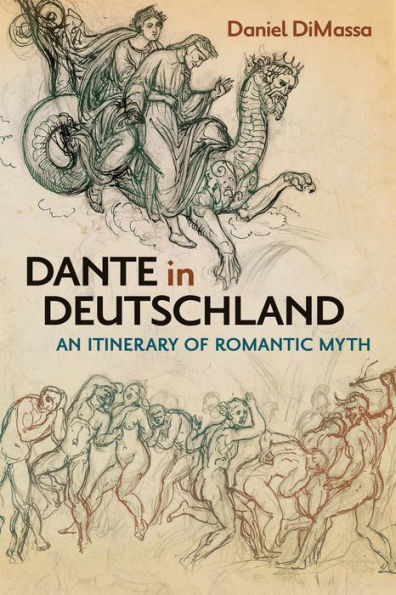
Dante Deutschland: An Itinerary of Romantic Myth in Franklin, TN
Current price: $35.95
Barnes and Noble
Dante Deutschland: An Itinerary of Romantic Myth in Franklin, TN
Current price: $35.95
Loading Inventory...
Size: Paperback
Around the turn of the nineteenth century, no task seemed more urgent to German Romantics than the creation of a new mythology. It would unite modern poets and grant them common ground, and bring philosophers and the
Volk
closer together. But what would a new mythology look like? Only one model sufficed, according to Friedrich Schlegel: Dante’s
Divine Comedy
. Through reading and juxtaposing canonical and obscure texts,
Dante in Deutschland
shows how Dante’s work shaped the development of German Romanticism; it argues, all the while, that the weight of Dante’s influence induced a Romantic preoccupation with authority: Who was authorized to create a mythology? This questiontraced across texts by Schelling, Novalis, and Goethebegets a Neo-Romantic fixation with Dantean authority in the mythic ventures of Gerhart Hauptmann, Rudolf Borchardt, and Stefan George. Only in Thomas Mann’s novels, DiMassa asserts, is the Romantics’ Dantean project ultimately demythologized.
Volk
closer together. But what would a new mythology look like? Only one model sufficed, according to Friedrich Schlegel: Dante’s
Divine Comedy
. Through reading and juxtaposing canonical and obscure texts,
Dante in Deutschland
shows how Dante’s work shaped the development of German Romanticism; it argues, all the while, that the weight of Dante’s influence induced a Romantic preoccupation with authority: Who was authorized to create a mythology? This questiontraced across texts by Schelling, Novalis, and Goethebegets a Neo-Romantic fixation with Dantean authority in the mythic ventures of Gerhart Hauptmann, Rudolf Borchardt, and Stefan George. Only in Thomas Mann’s novels, DiMassa asserts, is the Romantics’ Dantean project ultimately demythologized.
Around the turn of the nineteenth century, no task seemed more urgent to German Romantics than the creation of a new mythology. It would unite modern poets and grant them common ground, and bring philosophers and the
Volk
closer together. But what would a new mythology look like? Only one model sufficed, according to Friedrich Schlegel: Dante’s
Divine Comedy
. Through reading and juxtaposing canonical and obscure texts,
Dante in Deutschland
shows how Dante’s work shaped the development of German Romanticism; it argues, all the while, that the weight of Dante’s influence induced a Romantic preoccupation with authority: Who was authorized to create a mythology? This questiontraced across texts by Schelling, Novalis, and Goethebegets a Neo-Romantic fixation with Dantean authority in the mythic ventures of Gerhart Hauptmann, Rudolf Borchardt, and Stefan George. Only in Thomas Mann’s novels, DiMassa asserts, is the Romantics’ Dantean project ultimately demythologized.
Volk
closer together. But what would a new mythology look like? Only one model sufficed, according to Friedrich Schlegel: Dante’s
Divine Comedy
. Through reading and juxtaposing canonical and obscure texts,
Dante in Deutschland
shows how Dante’s work shaped the development of German Romanticism; it argues, all the while, that the weight of Dante’s influence induced a Romantic preoccupation with authority: Who was authorized to create a mythology? This questiontraced across texts by Schelling, Novalis, and Goethebegets a Neo-Romantic fixation with Dantean authority in the mythic ventures of Gerhart Hauptmann, Rudolf Borchardt, and Stefan George. Only in Thomas Mann’s novels, DiMassa asserts, is the Romantics’ Dantean project ultimately demythologized.
You May Also Like










More About Barnes and Noble at CoolSprings Galleria
Barnes & Noble is the world’s largest retail bookseller and a leading retailer of content, digital media and educational products. Our Nook Digital business offers a lineup of NOOK® tablets and e-Readers and an expansive collection of digital reading content through the NOOK Store®. Barnes & Noble’s mission is to operate the best omni-channel specialty retail business in America, helping both our customers and booksellers reach their aspirations, while being a credit to the communities we serve.
1800 Galleria Blvd #1310, Franklin, TN 37067, United States
Find Barnes and Noble at CoolSprings Galleria in Franklin, TN
Visit Barnes and Noble at CoolSprings Galleria in Franklin, TN
