
Home
Design of Low-Power Coarse-Grained Reconfigurable Architectures
Barnes and Noble
Loading Inventory...
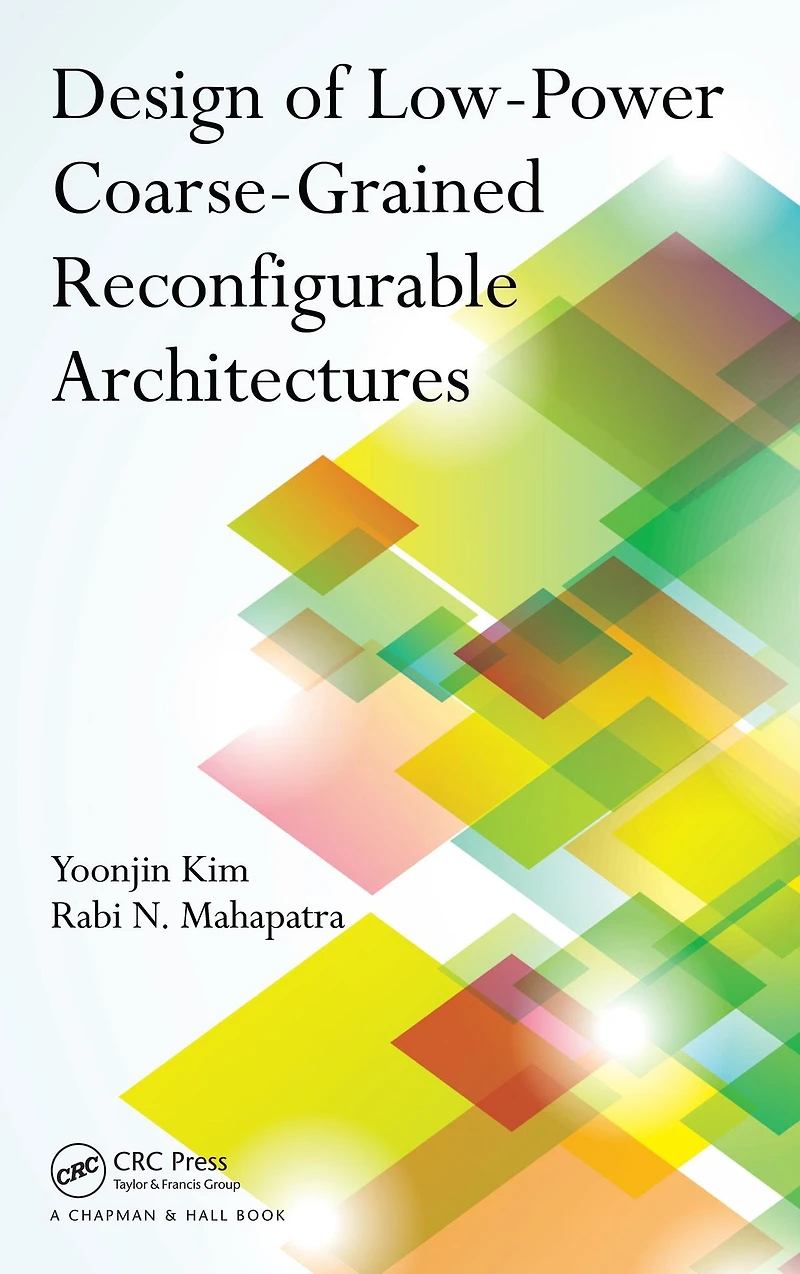
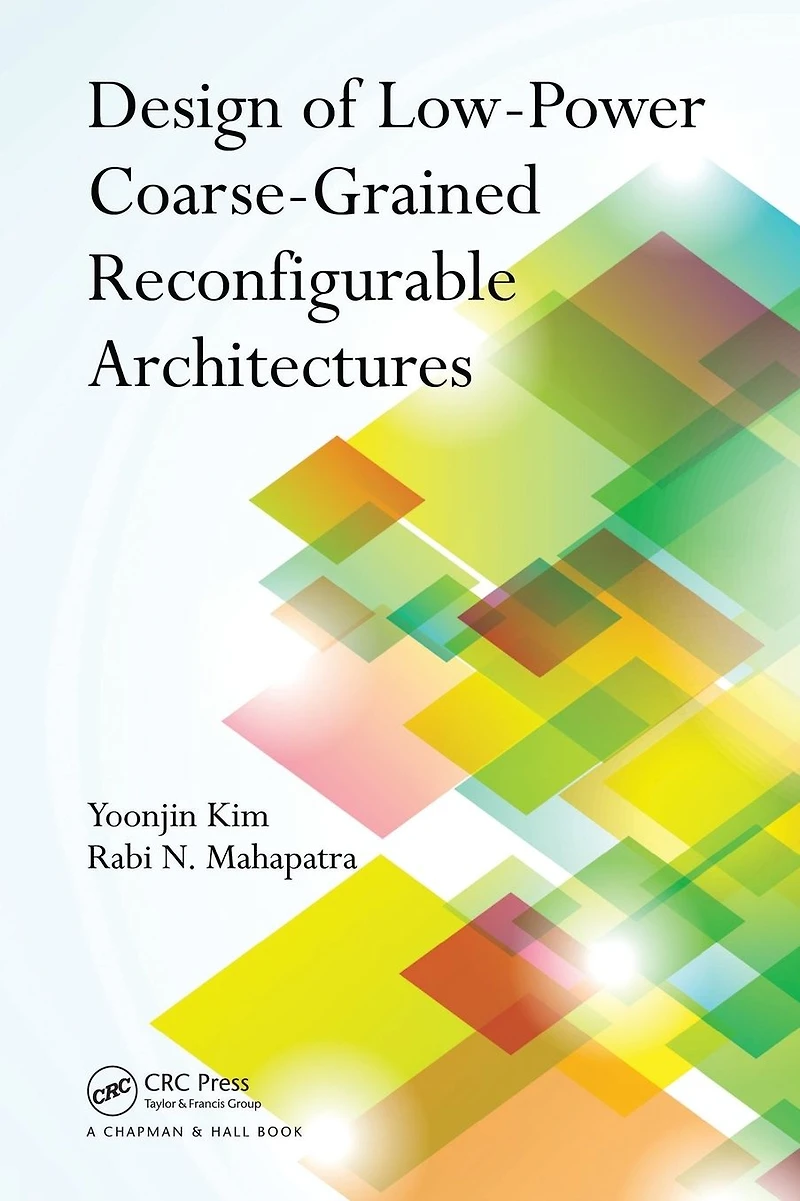
Design of Low-Power Coarse-Grained Reconfigurable Architectures in Franklin, TN
By Barnes & Noble
Current price: $102.99
Barnes and Noble
Design of Low-Power Coarse-Grained Reconfigurable Architectures in Franklin, TN
By Barnes & Noble
Current price: $102.99
Loading Inventory...
Size: EBook
Coarse-grained reconfigurable architecture (CGRA) has emerged as a solution for flexible, application-specific optimization of embedded systems. Helping you understand the issues involved in designing and constructing embedded systems, Design of Low-Power Coarse-Grained Reconfigurable Architectures offers new frameworks for optimizing the architecture of components in embedded systems in order to decrease area and save power. Real application benchmarks and gate-level simulations substantiate these frameworks.The first half of the book explains how to reduce power in the configuration cache. The authors present a low-power reconfiguration technique based on reusable context pipelining that merges the concept of context reuse into context pipelining. They also propose dynamic context compression capable of supporting required bits of the context words set to enable and the redundant bits set to disable. In addition, they discuss dynamic context management for reducing power consumption in the configuration cache by controlling a read/write operation of the redundant context words.Focusing on the design of a cost-effective processing element array to reduce area and power consumption, the second half of the text presents a cost-effective array fabric that uniquely rearranges processing elements and their interconnection designs. The book also describes hierarchical reconfigurable computing arrays consisting of two reconfigurable computing blocks with two types of communication structure. The two computing blocks share critical resources, offering an efficient communication interface between them and reducing the overall area. The final chapter takes an integrated approach to optimization that draws on the design schemes presented in earlier chapters. Using a case study, the authors demonstrate the synergy effect of combining multiple design schemes.
Coarse-grained reconfigurable architecture (CGRA) has emerged as a solution for flexible, application-specific optimization of embedded systems. Helping you understand the issues involved in designing and constructing embedded systems, Design of Low-Power Coarse-Grained Reconfigurable Architectures offers new frameworks for optimizing the architecture of components in embedded systems in order to decrease area and save power. Real application benchmarks and gate-level simulations substantiate these frameworks.The first half of the book explains how to reduce power in the configuration cache. The authors present a low-power reconfiguration technique based on reusable context pipelining that merges the concept of context reuse into context pipelining. They also propose dynamic context compression capable of supporting required bits of the context words set to enable and the redundant bits set to disable. In addition, they discuss dynamic context management for reducing power consumption in the configuration cache by controlling a read/write operation of the redundant context words.Focusing on the design of a cost-effective processing element array to reduce area and power consumption, the second half of the text presents a cost-effective array fabric that uniquely rearranges processing elements and their interconnection designs. The book also describes hierarchical reconfigurable computing arrays consisting of two reconfigurable computing blocks with two types of communication structure. The two computing blocks share critical resources, offering an efficient communication interface between them and reducing the overall area. The final chapter takes an integrated approach to optimization that draws on the design schemes presented in earlier chapters. Using a case study, the authors demonstrate the synergy effect of combining multiple design schemes.
You May Also Like








More About Barnes and Noble at CoolSprings Galleria
Barnes & Noble is the world’s largest retail bookseller and a leading retailer of content, digital media and educational products. Our Nook Digital business offers a lineup of NOOK® tablets and e-Readers and an expansive collection of digital reading content through the NOOK Store®. Barnes & Noble’s mission is to operate the best omni-channel specialty retail business in America, helping both our customers and booksellers reach their aspirations, while being a credit to the communities we serve.
1800 Galleria Blvd #1310, Franklin, TN 37067, United States
Find Barnes and Noble at CoolSprings Galleria in Franklin, TN
Visit Barnes and Noble at CoolSprings Galleria in Franklin, TN
