
Home
DNA Replication Control Microbial Cell Factories
Barnes and Noble
Loading Inventory...
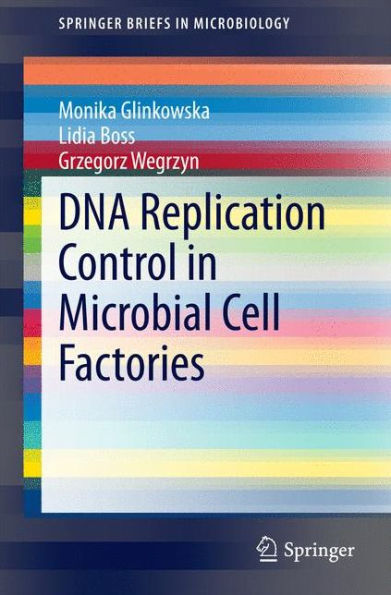
DNA Replication Control Microbial Cell Factories in Franklin, TN
Current price: $54.99
Barnes and Noble
DNA Replication Control Microbial Cell Factories in Franklin, TN
Current price: $54.99
Loading Inventory...
Size: Paperback
This work describes the current knowledge of biochemical mechanisms regulating initiation of DNA replication in
Escherichia coli
, which focuses on the control of activity of the DnaA protein. Examples of direct linkages between DNA replication and other cellular processes are provided. In addition, similarities of the mechanisms of regulation of DNA replication operating in prokaryotic and eukaryotic cells are identified, and implications for understanding more complex processes, like carcinogenesis are suggested.
Studies of recent years provided evidence that regulation of DNA replication in bacteria is more complex than previously anticipated. Multiple layers of control seem to ensure coordination of this process with the increase of cellular mass and the division cycle. Metabolic processes and membrane composition may serve as points where integration of genome replication with growth conditions occurs. It is also likely that coupling of DNA synthesis with cellular metabolism may involve interactions of replication proteins with other macromolecular complexes, responsible for various cellular processes. Thus, the exact set of factors participating in triggering the replication initiation may differ depending on growth conditions. Therefore, understanding the regulation of DNA duplication requires placing this process in the context of the current knowledge on bacterial metabolism, as well as cellular and chromosomal structure. Moreover, in both
and eukaryotic cells, replication initiator proteins were shown to play other roles in addition to driving the assembly of replication complexes, which constitutes another, yet not sufficiently understood, layer of coordinating DNA replication with the cellcycle.
Escherichia coli
, which focuses on the control of activity of the DnaA protein. Examples of direct linkages between DNA replication and other cellular processes are provided. In addition, similarities of the mechanisms of regulation of DNA replication operating in prokaryotic and eukaryotic cells are identified, and implications for understanding more complex processes, like carcinogenesis are suggested.
Studies of recent years provided evidence that regulation of DNA replication in bacteria is more complex than previously anticipated. Multiple layers of control seem to ensure coordination of this process with the increase of cellular mass and the division cycle. Metabolic processes and membrane composition may serve as points where integration of genome replication with growth conditions occurs. It is also likely that coupling of DNA synthesis with cellular metabolism may involve interactions of replication proteins with other macromolecular complexes, responsible for various cellular processes. Thus, the exact set of factors participating in triggering the replication initiation may differ depending on growth conditions. Therefore, understanding the regulation of DNA duplication requires placing this process in the context of the current knowledge on bacterial metabolism, as well as cellular and chromosomal structure. Moreover, in both
and eukaryotic cells, replication initiator proteins were shown to play other roles in addition to driving the assembly of replication complexes, which constitutes another, yet not sufficiently understood, layer of coordinating DNA replication with the cellcycle.
This work describes the current knowledge of biochemical mechanisms regulating initiation of DNA replication in
Escherichia coli
, which focuses on the control of activity of the DnaA protein. Examples of direct linkages between DNA replication and other cellular processes are provided. In addition, similarities of the mechanisms of regulation of DNA replication operating in prokaryotic and eukaryotic cells are identified, and implications for understanding more complex processes, like carcinogenesis are suggested.
Studies of recent years provided evidence that regulation of DNA replication in bacteria is more complex than previously anticipated. Multiple layers of control seem to ensure coordination of this process with the increase of cellular mass and the division cycle. Metabolic processes and membrane composition may serve as points where integration of genome replication with growth conditions occurs. It is also likely that coupling of DNA synthesis with cellular metabolism may involve interactions of replication proteins with other macromolecular complexes, responsible for various cellular processes. Thus, the exact set of factors participating in triggering the replication initiation may differ depending on growth conditions. Therefore, understanding the regulation of DNA duplication requires placing this process in the context of the current knowledge on bacterial metabolism, as well as cellular and chromosomal structure. Moreover, in both
and eukaryotic cells, replication initiator proteins were shown to play other roles in addition to driving the assembly of replication complexes, which constitutes another, yet not sufficiently understood, layer of coordinating DNA replication with the cellcycle.
Escherichia coli
, which focuses on the control of activity of the DnaA protein. Examples of direct linkages between DNA replication and other cellular processes are provided. In addition, similarities of the mechanisms of regulation of DNA replication operating in prokaryotic and eukaryotic cells are identified, and implications for understanding more complex processes, like carcinogenesis are suggested.
Studies of recent years provided evidence that regulation of DNA replication in bacteria is more complex than previously anticipated. Multiple layers of control seem to ensure coordination of this process with the increase of cellular mass and the division cycle. Metabolic processes and membrane composition may serve as points where integration of genome replication with growth conditions occurs. It is also likely that coupling of DNA synthesis with cellular metabolism may involve interactions of replication proteins with other macromolecular complexes, responsible for various cellular processes. Thus, the exact set of factors participating in triggering the replication initiation may differ depending on growth conditions. Therefore, understanding the regulation of DNA duplication requires placing this process in the context of the current knowledge on bacterial metabolism, as well as cellular and chromosomal structure. Moreover, in both
and eukaryotic cells, replication initiator proteins were shown to play other roles in addition to driving the assembly of replication complexes, which constitutes another, yet not sufficiently understood, layer of coordinating DNA replication with the cellcycle.
You May Also Like






![Cosmo's Factory [Red Smoke Vinyl] [Remastered 2025] [Barnes & Noble Exclusive]](https://prodimage.images-bn.com/pimages/0888072667143_p0_v2_s600x595.jpg)








More About Barnes and Noble at CoolSprings Galleria
Barnes & Noble is the world’s largest retail bookseller and a leading retailer of content, digital media and educational products. Our Nook Digital business offers a lineup of NOOK® tablets and e-Readers and an expansive collection of digital reading content through the NOOK Store®. Barnes & Noble’s mission is to operate the best omni-channel specialty retail business in America, helping both our customers and booksellers reach their aspirations, while being a credit to the communities we serve.
1800 Galleria Blvd #1310, Franklin, TN 37067, United States
Find Barnes and Noble at CoolSprings Galleria in Franklin, TN
Visit Barnes and Noble at CoolSprings Galleria in Franklin, TN
