
Home
East German Historians since Reunification: A Discipline Transformed
Barnes and Noble
Loading Inventory...
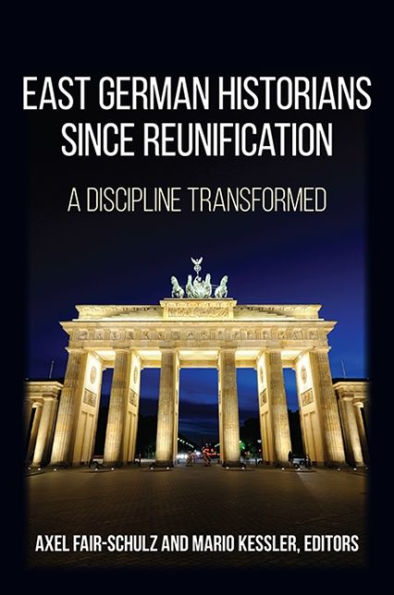
East German Historians since Reunification: A Discipline Transformed in Franklin, TN
Current price: $34.95
Barnes and Noble
East German Historians since Reunification: A Discipline Transformed in Franklin, TN
Current price: $34.95
Loading Inventory...
Size: Paperback
Surveys how reunification in 1990 impacted historical scholarship in the former East Germany.
With German reunification and the demise of the German Democratic Republic in 1990, East German historians and their traditions of historiography were removed from mainstream discourse in Germany and relegated to the periphery. By the mid-1990s, few GDR-trained historians remained in academia. These developments led to a greater degree of intellectual pluralism, yet marginalized many accomplished scholars.
East German Historians since Reunification
assesses what was gained and lost in the process of dissolving and remaking GDR institutions of historical scholarship. The collection combines primary and secondary sources: younger scholars offer analyses of East German historiography, while senior scholars who lived through the dismantling process provide firsthand accounts. Contributors address broad trends in scholarship as well as particular subfields and institutions. What unites them is a willingness to think critically about the achievements and shortcomings of GDR historiography, and its fate after German reunification.
With German reunification and the demise of the German Democratic Republic in 1990, East German historians and their traditions of historiography were removed from mainstream discourse in Germany and relegated to the periphery. By the mid-1990s, few GDR-trained historians remained in academia. These developments led to a greater degree of intellectual pluralism, yet marginalized many accomplished scholars.
East German Historians since Reunification
assesses what was gained and lost in the process of dissolving and remaking GDR institutions of historical scholarship. The collection combines primary and secondary sources: younger scholars offer analyses of East German historiography, while senior scholars who lived through the dismantling process provide firsthand accounts. Contributors address broad trends in scholarship as well as particular subfields and institutions. What unites them is a willingness to think critically about the achievements and shortcomings of GDR historiography, and its fate after German reunification.
Surveys how reunification in 1990 impacted historical scholarship in the former East Germany.
With German reunification and the demise of the German Democratic Republic in 1990, East German historians and their traditions of historiography were removed from mainstream discourse in Germany and relegated to the periphery. By the mid-1990s, few GDR-trained historians remained in academia. These developments led to a greater degree of intellectual pluralism, yet marginalized many accomplished scholars.
East German Historians since Reunification
assesses what was gained and lost in the process of dissolving and remaking GDR institutions of historical scholarship. The collection combines primary and secondary sources: younger scholars offer analyses of East German historiography, while senior scholars who lived through the dismantling process provide firsthand accounts. Contributors address broad trends in scholarship as well as particular subfields and institutions. What unites them is a willingness to think critically about the achievements and shortcomings of GDR historiography, and its fate after German reunification.
With German reunification and the demise of the German Democratic Republic in 1990, East German historians and their traditions of historiography were removed from mainstream discourse in Germany and relegated to the periphery. By the mid-1990s, few GDR-trained historians remained in academia. These developments led to a greater degree of intellectual pluralism, yet marginalized many accomplished scholars.
East German Historians since Reunification
assesses what was gained and lost in the process of dissolving and remaking GDR institutions of historical scholarship. The collection combines primary and secondary sources: younger scholars offer analyses of East German historiography, while senior scholars who lived through the dismantling process provide firsthand accounts. Contributors address broad trends in scholarship as well as particular subfields and institutions. What unites them is a willingness to think critically about the achievements and shortcomings of GDR historiography, and its fate after German reunification.
You May Also Like













More About Barnes and Noble at CoolSprings Galleria
Barnes & Noble is the world’s largest retail bookseller and a leading retailer of content, digital media and educational products. Our Nook Digital business offers a lineup of NOOK® tablets and e-Readers and an expansive collection of digital reading content through the NOOK Store®. Barnes & Noble’s mission is to operate the best omni-channel specialty retail business in America, helping both our customers and booksellers reach their aspirations, while being a credit to the communities we serve.
1800 Galleria Blvd #1310, Franklin, TN 37067, United States
Find Barnes and Noble at CoolSprings Galleria in Franklin, TN
Visit Barnes and Noble at CoolSprings Galleria in Franklin, TN
