
Home
Fault Diagnosis for Electric Power Systems and Electric Vehicles
Barnes and Noble
Loading Inventory...
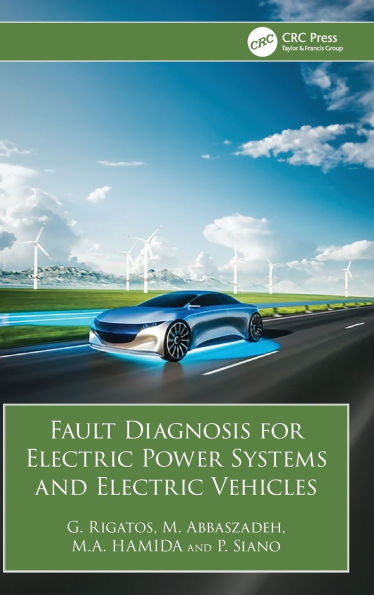
Fault Diagnosis for Electric Power Systems and Electric Vehicles in Franklin, TN
Current price: $115.00
Barnes and Noble
Fault Diagnosis for Electric Power Systems and Electric Vehicles in Franklin, TN
Current price: $115.00
Loading Inventory...
Size: OS
The present monograph offers a detailed and in-depth analysis of the topic of fault diagnosis for electric power systems and electric vehicles. It explores both model-based and model-free techniques for fault diagnosis and provides a solution for the problem of control of the marine-turbine and synchronous-generator unit and Fault diagnosis of the marine turbine and synchronous-generator unit. Additionally, it introduces innovative approaches for diagnosing faults in electricity microgrids and gas processing units.The new fault detection and isolation methods with statistical procedures for defining fault thresholds enable early fault diagnosis and reveal incipient changes in the parameters of the monitored systems.
Key Features:
Analyzes model-based fault detection and isolation methods. Known models about the dynamics of the monitored system are used by nonlinear state observers and Kalman Filters, which emulate the system’s fault-free condition
Analyzes model-free fault detection and isolation methods. Raw data are processed by neural networks and nonlinear regressors to generate models that emulate the fault-free condition of the monitored system
Utilizes statistical tests based on residual processing, which compare outputs from the monitored system to those of a fault-free model, providing objective and highly reliable criteria for identifying failures
Enables early fault diagnosis through new detection and isolation methods that use statistical procedures for defining fault thresholds, effectively revealing incipient changes in the parameters of monitored systems
Key Features:
Analyzes model-based fault detection and isolation methods. Known models about the dynamics of the monitored system are used by nonlinear state observers and Kalman Filters, which emulate the system’s fault-free condition
Analyzes model-free fault detection and isolation methods. Raw data are processed by neural networks and nonlinear regressors to generate models that emulate the fault-free condition of the monitored system
Utilizes statistical tests based on residual processing, which compare outputs from the monitored system to those of a fault-free model, providing objective and highly reliable criteria for identifying failures
Enables early fault diagnosis through new detection and isolation methods that use statistical procedures for defining fault thresholds, effectively revealing incipient changes in the parameters of monitored systems
The present monograph offers a detailed and in-depth analysis of the topic of fault diagnosis for electric power systems and electric vehicles. It explores both model-based and model-free techniques for fault diagnosis and provides a solution for the problem of control of the marine-turbine and synchronous-generator unit and Fault diagnosis of the marine turbine and synchronous-generator unit. Additionally, it introduces innovative approaches for diagnosing faults in electricity microgrids and gas processing units.The new fault detection and isolation methods with statistical procedures for defining fault thresholds enable early fault diagnosis and reveal incipient changes in the parameters of the monitored systems.
Key Features:
Analyzes model-based fault detection and isolation methods. Known models about the dynamics of the monitored system are used by nonlinear state observers and Kalman Filters, which emulate the system’s fault-free condition
Analyzes model-free fault detection and isolation methods. Raw data are processed by neural networks and nonlinear regressors to generate models that emulate the fault-free condition of the monitored system
Utilizes statistical tests based on residual processing, which compare outputs from the monitored system to those of a fault-free model, providing objective and highly reliable criteria for identifying failures
Enables early fault diagnosis through new detection and isolation methods that use statistical procedures for defining fault thresholds, effectively revealing incipient changes in the parameters of monitored systems
Key Features:
Analyzes model-based fault detection and isolation methods. Known models about the dynamics of the monitored system are used by nonlinear state observers and Kalman Filters, which emulate the system’s fault-free condition
Analyzes model-free fault detection and isolation methods. Raw data are processed by neural networks and nonlinear regressors to generate models that emulate the fault-free condition of the monitored system
Utilizes statistical tests based on residual processing, which compare outputs from the monitored system to those of a fault-free model, providing objective and highly reliable criteria for identifying failures
Enables early fault diagnosis through new detection and isolation methods that use statistical procedures for defining fault thresholds, effectively revealing incipient changes in the parameters of monitored systems
You May Also Like













More About Barnes and Noble at CoolSprings Galleria
Barnes & Noble is the world’s largest retail bookseller and a leading retailer of content, digital media and educational products. Our Nook Digital business offers a lineup of NOOK® tablets and e-Readers and an expansive collection of digital reading content through the NOOK Store®. Barnes & Noble’s mission is to operate the best omni-channel specialty retail business in America, helping both our customers and booksellers reach their aspirations, while being a credit to the communities we serve.
1800 Galleria Blvd #1310, Franklin, TN 37067, United States
Find Barnes and Noble at CoolSprings Galleria in Franklin, TN
Visit Barnes and Noble at CoolSprings Galleria in Franklin, TN
