
Home
Fire & Ice Arctic Convoys 1941-1945
Barnes and Noble
Loading Inventory...
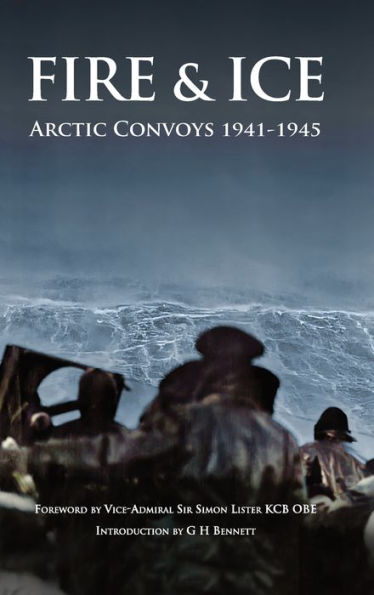
Fire & Ice Arctic Convoys 1941-1945 in Franklin, TN
Current price: $57.43
Barnes and Noble
Fire & Ice Arctic Convoys 1941-1945 in Franklin, TN
Current price: $57.43
Loading Inventory...
Size: OS
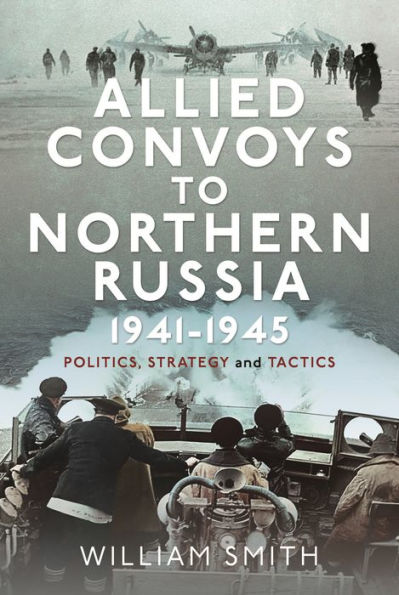
The Arctic convoys run to the ports of Northern Russia from 1941 to 1945 combined the man-made and maritime horrors of the Battle of the Atlantic with the unforgiving ferocity of one of the most inhospitable of the world's climates. Maintaining that lifeline through the waters of the Arctic circle was essential to the development and maintenance of the Anglo-American alliance with the Soviet Union. With the massive campaign on Germany's Eastern front hanging in the balance in 1941 to 1942, the German Armed Forces deployed significant numbers of submarines, bomber and torpedo aircraft, together with heavy ships such as the Tirpitz and Scharnhorst, against the slow-moving Allied convoys of merchant ships and their escorting forces. The challenge to maintain this lifeline placed a heavy burden on the resources of the Royal Navy. Here, in a contemporary battle summary, prepared by the Naval Staff of the Royal Navy, and supported by academic analysis and an extensive photographic section, those challenges and difficulties, the tragedies and the triumphs of the Arctic convoys, are laid bare. A Shared Strategic Goal. The Arctic Convoys reflect the need to be able to work with enemies who become allies, and vice versa, and understand the strategic circumstances and imperatives that drive those choices. This strategic perspective and agility characterised Churchill's approach to Stalin and the Soviet Union. It is notable that British co-operation with the Soviet Union started before the US had entered the war, and continued to the end, reflecting British strategic national interests throughout. The intent and comradeship forged through the existence of a common foe survived the many operational set-backs and doubts on both sides, and speaks clearly to the need in these matters to have a clear, shared strategic goal and enduring commitment to its achievement. Leadership of Effective Collaboration. The collaboration and integration at a working level that was achieved in a short space of time was remarkable, given the suspicion and gulf of political outlook that existed at the outset. Genuine collaboration and integration delivered a whole that was greater than the sum of its parts. what Churchill is credited with calling 'the worst journey in the world.'
The Arctic convoys run to the ports of Northern Russia from 1941 to 1945 combined the man-made and maritime horrors of the Battle of the Atlantic with the unforgiving ferocity of one of the most inhospitable of the world's climates. Maintaining that lifeline through the waters of the Arctic circle was essential to the development and maintenance of the Anglo-American alliance with the Soviet Union. With the massive campaign on Germany's Eastern front hanging in the balance in 1941 to 1942, the German Armed Forces deployed significant numbers of submarines, bomber and torpedo aircraft, together with heavy ships such as the Tirpitz and Scharnhorst, against the slow-moving Allied convoys of merchant ships and their escorting forces. The challenge to maintain this lifeline placed a heavy burden on the resources of the Royal Navy. Here, in a contemporary battle summary, prepared by the Naval Staff of the Royal Navy, and supported by academic analysis and an extensive photographic section, those challenges and difficulties, the tragedies and the triumphs of the Arctic convoys, are laid bare. A Shared Strategic Goal. The Arctic Convoys reflect the need to be able to work with enemies who become allies, and vice versa, and understand the strategic circumstances and imperatives that drive those choices. This strategic perspective and agility characterised Churchill's approach to Stalin and the Soviet Union. It is notable that British co-operation with the Soviet Union started before the US had entered the war, and continued to the end, reflecting British strategic national interests throughout. The intent and comradeship forged through the existence of a common foe survived the many operational set-backs and doubts on both sides, and speaks clearly to the need in these matters to have a clear, shared strategic goal and enduring commitment to its achievement. Leadership of Effective Collaboration. The collaboration and integration at a working level that was achieved in a short space of time was remarkable, given the suspicion and gulf of political outlook that existed at the outset. Genuine collaboration and integration delivered a whole that was greater than the sum of its parts. what Churchill is credited with calling 'the worst journey in the world.'
You May Also Like













More About Barnes and Noble at CoolSprings Galleria
Barnes & Noble is the world’s largest retail bookseller and a leading retailer of content, digital media and educational products. Our Nook Digital business offers a lineup of NOOK® tablets and e-Readers and an expansive collection of digital reading content through the NOOK Store®. Barnes & Noble’s mission is to operate the best omni-channel specialty retail business in America, helping both our customers and booksellers reach their aspirations, while being a credit to the communities we serve.
1800 Galleria Blvd #1310, Franklin, TN 37067, United States
Find Barnes and Noble at CoolSprings Galleria in Franklin, TN
Visit Barnes and Noble at CoolSprings Galleria in Franklin, TN
