
Home
Food Margaret Atwood's Speculative Fiction
Barnes and Noble
Loading Inventory...
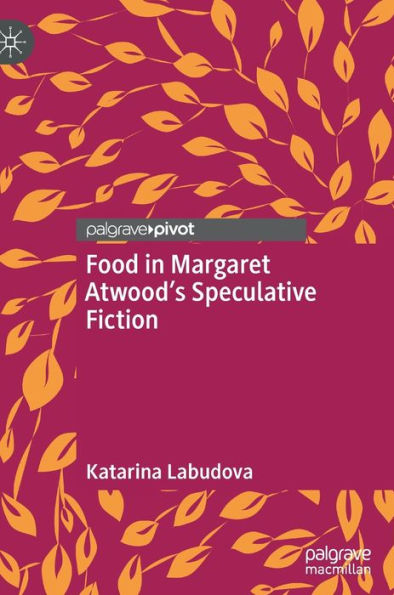
Food Margaret Atwood's Speculative Fiction in Franklin, TN
Current price: $49.99
Barnes and Noble
Food Margaret Atwood's Speculative Fiction in Franklin, TN
Current price: $49.99
Loading Inventory...
Size: Hardcover
This book looks at Margaret Atwood’s use of food motifs in speculative fiction. Focusing on six novels –
The Handmaid’s Tale
and
The Testaments
, the
Maddaddam
trilogy, and
The Heart Goes Last
– Katarina Labudova explores the environmental, ecological, and cultural questions at play and the possible future scenarios which emerge for humanity’s survival in apocalyptic and post-apocalyptic conditions. Labudova argues that food has special relevance in these novels and that characters’ hunger, limited food choices, culinary creativity and eating rituals are central to Atwood’s depictions of hostile environments. She also links food to hierarchy, dominance and oppression in Atwood’s novels, and foregrounds the problem of hunger, both psychological or physical, caused by pollution and loss of contact with the natural and authentic. The book shows how Atwood’s writing draws from a range of genres, including apocalyptic fiction, science fiction, speculative fiction,dystopia, utopia, fairy tale, myth, and thriller – and how food is an important, highly versatile motif linking these intertextual threads.
The Handmaid’s Tale
and
The Testaments
, the
Maddaddam
trilogy, and
The Heart Goes Last
– Katarina Labudova explores the environmental, ecological, and cultural questions at play and the possible future scenarios which emerge for humanity’s survival in apocalyptic and post-apocalyptic conditions. Labudova argues that food has special relevance in these novels and that characters’ hunger, limited food choices, culinary creativity and eating rituals are central to Atwood’s depictions of hostile environments. She also links food to hierarchy, dominance and oppression in Atwood’s novels, and foregrounds the problem of hunger, both psychological or physical, caused by pollution and loss of contact with the natural and authentic. The book shows how Atwood’s writing draws from a range of genres, including apocalyptic fiction, science fiction, speculative fiction,dystopia, utopia, fairy tale, myth, and thriller – and how food is an important, highly versatile motif linking these intertextual threads.
This book looks at Margaret Atwood’s use of food motifs in speculative fiction. Focusing on six novels –
The Handmaid’s Tale
and
The Testaments
, the
Maddaddam
trilogy, and
The Heart Goes Last
– Katarina Labudova explores the environmental, ecological, and cultural questions at play and the possible future scenarios which emerge for humanity’s survival in apocalyptic and post-apocalyptic conditions. Labudova argues that food has special relevance in these novels and that characters’ hunger, limited food choices, culinary creativity and eating rituals are central to Atwood’s depictions of hostile environments. She also links food to hierarchy, dominance and oppression in Atwood’s novels, and foregrounds the problem of hunger, both psychological or physical, caused by pollution and loss of contact with the natural and authentic. The book shows how Atwood’s writing draws from a range of genres, including apocalyptic fiction, science fiction, speculative fiction,dystopia, utopia, fairy tale, myth, and thriller – and how food is an important, highly versatile motif linking these intertextual threads.
The Handmaid’s Tale
and
The Testaments
, the
Maddaddam
trilogy, and
The Heart Goes Last
– Katarina Labudova explores the environmental, ecological, and cultural questions at play and the possible future scenarios which emerge for humanity’s survival in apocalyptic and post-apocalyptic conditions. Labudova argues that food has special relevance in these novels and that characters’ hunger, limited food choices, culinary creativity and eating rituals are central to Atwood’s depictions of hostile environments. She also links food to hierarchy, dominance and oppression in Atwood’s novels, and foregrounds the problem of hunger, both psychological or physical, caused by pollution and loss of contact with the natural and authentic. The book shows how Atwood’s writing draws from a range of genres, including apocalyptic fiction, science fiction, speculative fiction,dystopia, utopia, fairy tale, myth, and thriller – and how food is an important, highly versatile motif linking these intertextual threads.
You May Also Like













More About Barnes and Noble at CoolSprings Galleria
Barnes & Noble is the world’s largest retail bookseller and a leading retailer of content, digital media and educational products. Our Nook Digital business offers a lineup of NOOK® tablets and e-Readers and an expansive collection of digital reading content through the NOOK Store®. Barnes & Noble’s mission is to operate the best omni-channel specialty retail business in America, helping both our customers and booksellers reach their aspirations, while being a credit to the communities we serve.
1800 Galleria Blvd #1310, Franklin, TN 37067, United States
Find Barnes and Noble at CoolSprings Galleria in Franklin, TN
Visit Barnes and Noble at CoolSprings Galleria in Franklin, TN
