
Home
Government of Paper: The Materiality Bureaucracy Urban Pakistan
Barnes and Noble
Loading Inventory...
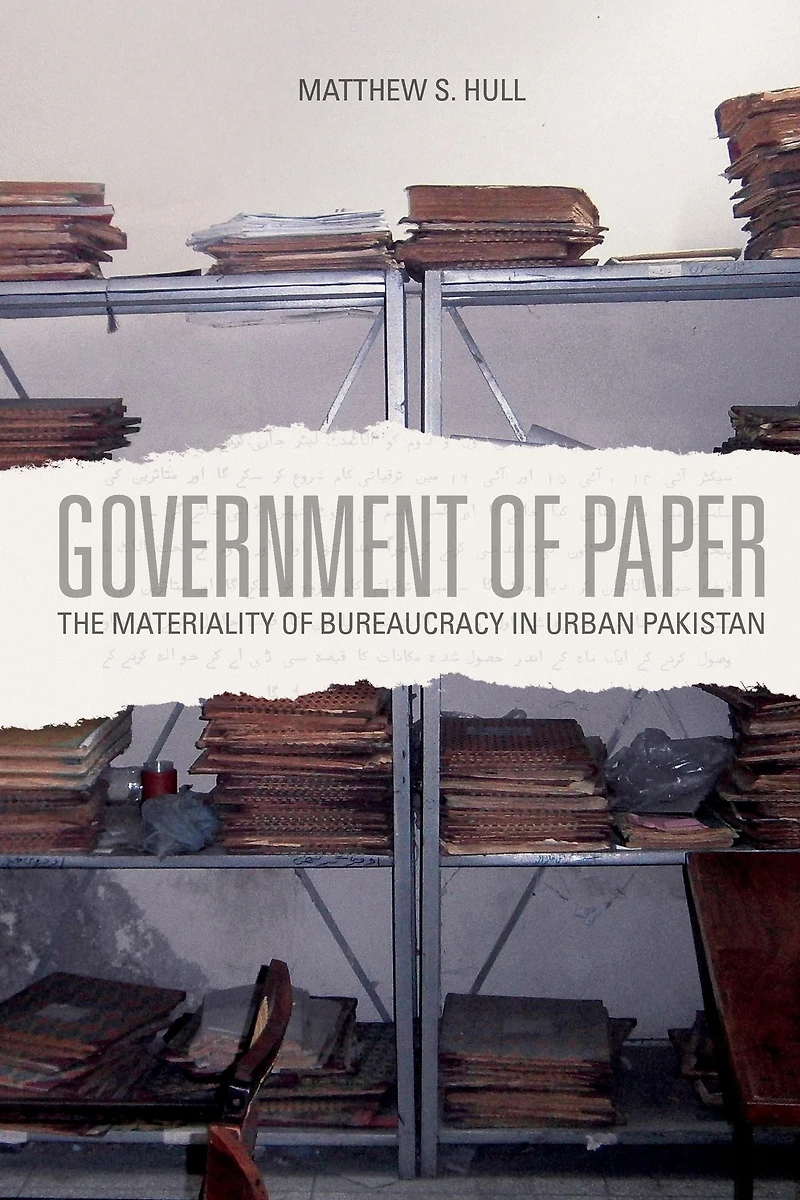
Government of Paper: The Materiality Bureaucracy Urban Pakistan in Franklin, TN
By Barnes & Noble
Current price: $29.95
Barnes and Noble
Government of Paper: The Materiality Bureaucracy Urban Pakistan in Franklin, TN
By Barnes & Noble
Current price: $29.95
Loading Inventory...
Size: EBook
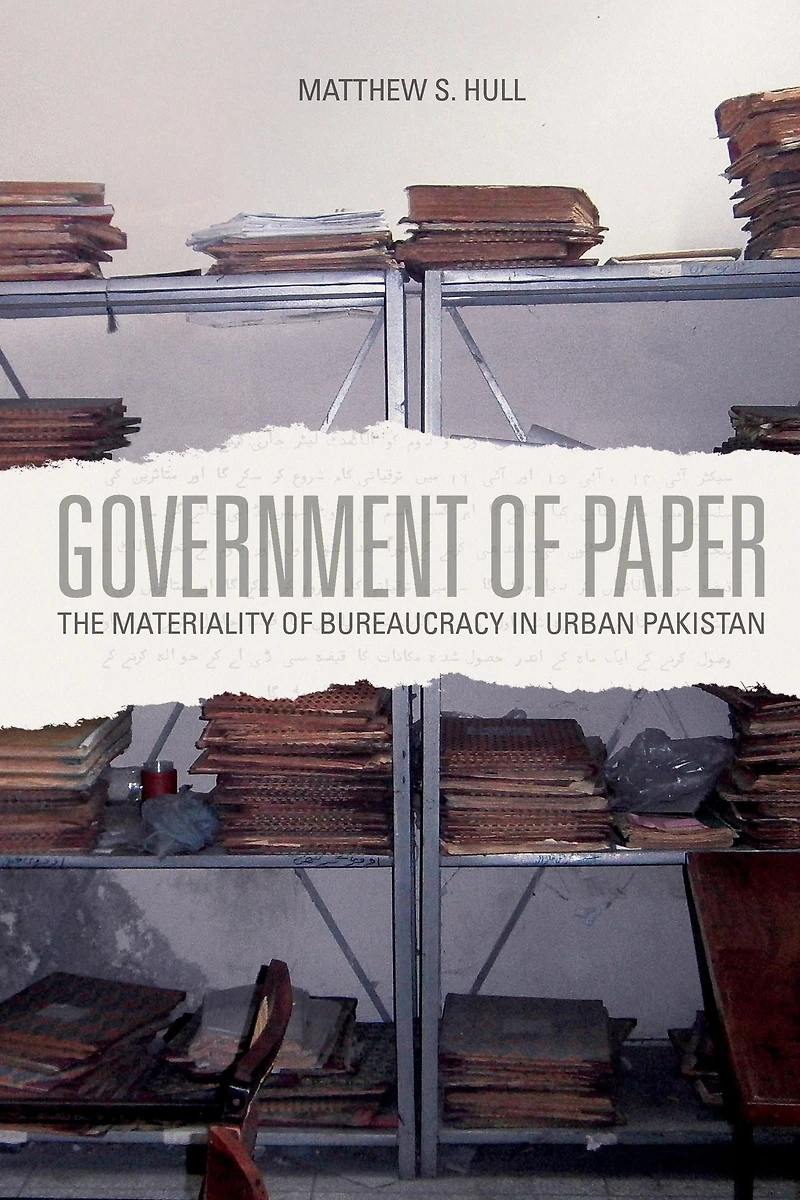
In the electronic age, documents appear to have escaped their paper confinement. But we are still surrounded by flows of paper with enormous consequences. In the planned city of Islamabad, order and disorder are produced through the ceaseless inscription and circulation of millions of paper artifacts among bureaucrats, politicians, property owners, villagers, imams (prayer leaders), businessmen, and builders. What are the implications of such a thorough paper mediation of relationships among people, things, places, and purposes? Government of Paper explores this question in the routine yet unpredictable realm of the Pakistani urban bureaucracy, showing how the material forms of postcolonial bureaucratic documentation produce a distinctive political economy of paper that shapes how the city is constructed, regulated, and inhabited. Files, maps, petitions, and visiting cards constitute the enduring material infrastructure of more ephemeral classifications, laws, and institutional organizations. Matthew S. Hull develops a fresh approach to state governance as a material practice, explaining why writing practices designed during the colonial era to isolate the government from society have become a means of participation in it.
In the electronic age, documents appear to have escaped their paper confinement. But we are still surrounded by flows of paper with enormous consequences. In the planned city of Islamabad, order and disorder are produced through the ceaseless inscription and circulation of millions of paper artifacts among bureaucrats, politicians, property owners, villagers, imams (prayer leaders), businessmen, and builders. What are the implications of such a thorough paper mediation of relationships among people, things, places, and purposes? Government of Paper explores this question in the routine yet unpredictable realm of the Pakistani urban bureaucracy, showing how the material forms of postcolonial bureaucratic documentation produce a distinctive political economy of paper that shapes how the city is constructed, regulated, and inhabited. Files, maps, petitions, and visiting cards constitute the enduring material infrastructure of more ephemeral classifications, laws, and institutional organizations. Matthew S. Hull develops a fresh approach to state governance as a material practice, explaining why writing practices designed during the colonial era to isolate the government from society have become a means of participation in it.
You May Also Like








Find at CoolSprings Galleria in Franklin, TN
Visit at CoolSprings Galleria in Franklin, TN
