Home
Great American Songbook
Barnes and Noble
Loading Inventory...
Great American Songbook in Franklin, TN
Current price: $23.99
Barnes and Noble
Great American Songbook in Franklin, TN
Current price: $23.99
Loading Inventory...
Size: OS
Britain's
King's Singers
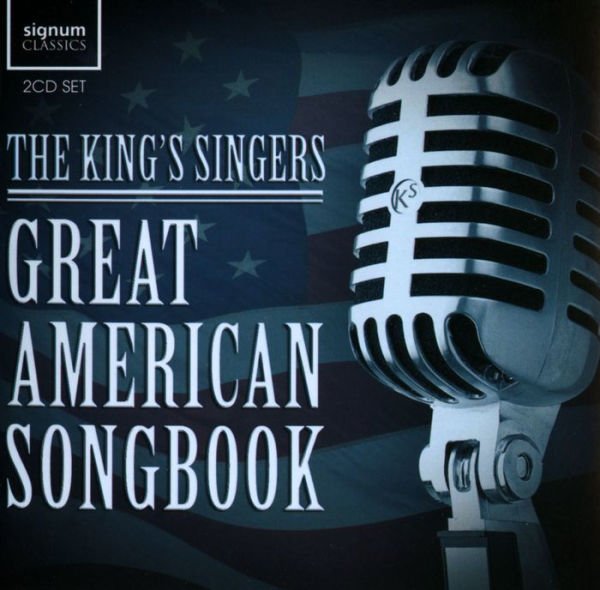
have recorded popular music before, in among their usual Renaissance and contemporary fare, but the 2013 release
Great American Songbook
marked a departure from their earlier work in several ways. What you'll think of it may depend on how attached you are to the classic
a cappella sound, but there's no question that the group deserves credit for pushing its own boundaries after nearly half a century in existence. The album, as promised, consists of classics of American song from the Broadway and Tin Pan Alley era; the largest group is by
Cole Porter
, the sexual nature of whose lyrics takes on a somehow disembodied quality when sung by this group, and by
Rodgers & Hart
. The first new wrinkle lies in the arrangements, by British composer
Alexander L'Estrange
. They're unusually elaborate and well-tailored to the voices of
the Singers
, who have remained startlingly consistent in their sound over the years despite numerous changes in personnel.
L'Estrange
has a way of breaking the melodies down into individual atoms and distributing them among different singers, bringing to mind forms of contemporary composition. The second novelty here is the presence of an orchestra on disc two. The
have performed and recorded with orchestras before on many occasions, but the a cappella/orchestra division over two discs is more unusual. As it happens, they seem less enthusiastic about the orchestral music this time around; the second disc clocks in at just over 31 minutes, just slightly more than half the length of the first. The arrangements are less complex, and the group seems unenthused by the flaccid playing of
the South Jutland Symphony Orchestra
. The action is on the first disc, which does represent one of
the King's Singers
' more complex pieces of work. Finally there is the sound;
seems to contain more than the usual quota of multi-tracking and other electronic tweaking, although you don't really learn anything from the booklet other than a credit for "wonderful post-production magic." In all, an interesting new direction for a veteran a cappella vocal group. ~ James Manheim
King's Singers
have recorded popular music before, in among their usual Renaissance and contemporary fare, but the 2013 release
Great American Songbook
marked a departure from their earlier work in several ways. What you'll think of it may depend on how attached you are to the classic
a cappella sound, but there's no question that the group deserves credit for pushing its own boundaries after nearly half a century in existence. The album, as promised, consists of classics of American song from the Broadway and Tin Pan Alley era; the largest group is by
Cole Porter
, the sexual nature of whose lyrics takes on a somehow disembodied quality when sung by this group, and by
Rodgers & Hart
. The first new wrinkle lies in the arrangements, by British composer
Alexander L'Estrange
. They're unusually elaborate and well-tailored to the voices of
the Singers
, who have remained startlingly consistent in their sound over the years despite numerous changes in personnel.
L'Estrange
has a way of breaking the melodies down into individual atoms and distributing them among different singers, bringing to mind forms of contemporary composition. The second novelty here is the presence of an orchestra on disc two. The
have performed and recorded with orchestras before on many occasions, but the a cappella/orchestra division over two discs is more unusual. As it happens, they seem less enthusiastic about the orchestral music this time around; the second disc clocks in at just over 31 minutes, just slightly more than half the length of the first. The arrangements are less complex, and the group seems unenthused by the flaccid playing of
the South Jutland Symphony Orchestra
. The action is on the first disc, which does represent one of
the King's Singers
' more complex pieces of work. Finally there is the sound;
seems to contain more than the usual quota of multi-tracking and other electronic tweaking, although you don't really learn anything from the booklet other than a credit for "wonderful post-production magic." In all, an interesting new direction for a veteran a cappella vocal group. ~ James Manheim
Britain's
King's Singers
have recorded popular music before, in among their usual Renaissance and contemporary fare, but the 2013 release
Great American Songbook
marked a departure from their earlier work in several ways. What you'll think of it may depend on how attached you are to the classic
a cappella sound, but there's no question that the group deserves credit for pushing its own boundaries after nearly half a century in existence. The album, as promised, consists of classics of American song from the Broadway and Tin Pan Alley era; the largest group is by
Cole Porter
, the sexual nature of whose lyrics takes on a somehow disembodied quality when sung by this group, and by
Rodgers & Hart
. The first new wrinkle lies in the arrangements, by British composer
Alexander L'Estrange
. They're unusually elaborate and well-tailored to the voices of
the Singers
, who have remained startlingly consistent in their sound over the years despite numerous changes in personnel.
L'Estrange
has a way of breaking the melodies down into individual atoms and distributing them among different singers, bringing to mind forms of contemporary composition. The second novelty here is the presence of an orchestra on disc two. The
have performed and recorded with orchestras before on many occasions, but the a cappella/orchestra division over two discs is more unusual. As it happens, they seem less enthusiastic about the orchestral music this time around; the second disc clocks in at just over 31 minutes, just slightly more than half the length of the first. The arrangements are less complex, and the group seems unenthused by the flaccid playing of
the South Jutland Symphony Orchestra
. The action is on the first disc, which does represent one of
the King's Singers
' more complex pieces of work. Finally there is the sound;
seems to contain more than the usual quota of multi-tracking and other electronic tweaking, although you don't really learn anything from the booklet other than a credit for "wonderful post-production magic." In all, an interesting new direction for a veteran a cappella vocal group. ~ James Manheim
King's Singers
have recorded popular music before, in among their usual Renaissance and contemporary fare, but the 2013 release
Great American Songbook
marked a departure from their earlier work in several ways. What you'll think of it may depend on how attached you are to the classic
a cappella sound, but there's no question that the group deserves credit for pushing its own boundaries after nearly half a century in existence. The album, as promised, consists of classics of American song from the Broadway and Tin Pan Alley era; the largest group is by
Cole Porter
, the sexual nature of whose lyrics takes on a somehow disembodied quality when sung by this group, and by
Rodgers & Hart
. The first new wrinkle lies in the arrangements, by British composer
Alexander L'Estrange
. They're unusually elaborate and well-tailored to the voices of
the Singers
, who have remained startlingly consistent in their sound over the years despite numerous changes in personnel.
L'Estrange
has a way of breaking the melodies down into individual atoms and distributing them among different singers, bringing to mind forms of contemporary composition. The second novelty here is the presence of an orchestra on disc two. The
have performed and recorded with orchestras before on many occasions, but the a cappella/orchestra division over two discs is more unusual. As it happens, they seem less enthusiastic about the orchestral music this time around; the second disc clocks in at just over 31 minutes, just slightly more than half the length of the first. The arrangements are less complex, and the group seems unenthused by the flaccid playing of
the South Jutland Symphony Orchestra
. The action is on the first disc, which does represent one of
the King's Singers
' more complex pieces of work. Finally there is the sound;
seems to contain more than the usual quota of multi-tracking and other electronic tweaking, although you don't really learn anything from the booklet other than a credit for "wonderful post-production magic." In all, an interesting new direction for a veteran a cappella vocal group. ~ James Manheim
You May Also Like













More About Barnes and Noble at CoolSprings Galleria
Barnes & Noble is the world’s largest retail bookseller and a leading retailer of content, digital media and educational products. Our Nook Digital business offers a lineup of NOOK® tablets and e-Readers and an expansive collection of digital reading content through the NOOK Store®. Barnes & Noble’s mission is to operate the best omni-channel specialty retail business in America, helping both our customers and booksellers reach their aspirations, while being a credit to the communities we serve.
1800 Galleria Blvd #1310, Franklin, TN 37067, United States
Find Barnes and Noble at CoolSprings Galleria in Franklin, TN
Visit Barnes and Noble at CoolSprings Galleria in Franklin, TN