
Home
Gurney: Piano Sonatas Nos. 1 and 3; Piano Sonata No. 2 - II. Adagio; Five Preludes; Autumn
Barnes and Noble
Loading Inventory...
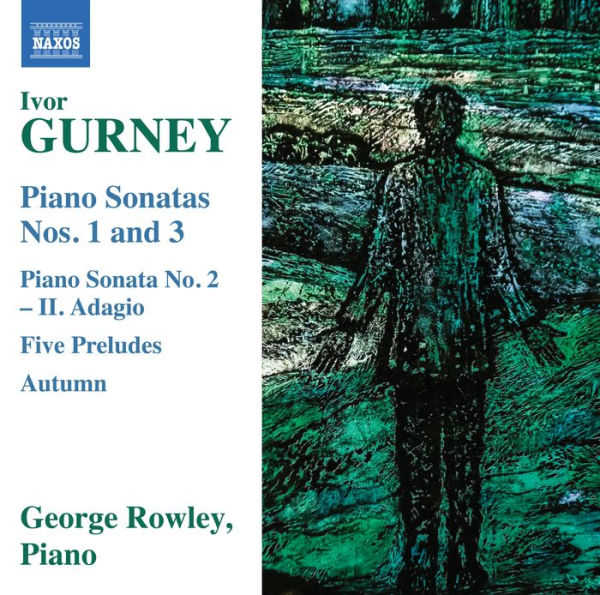
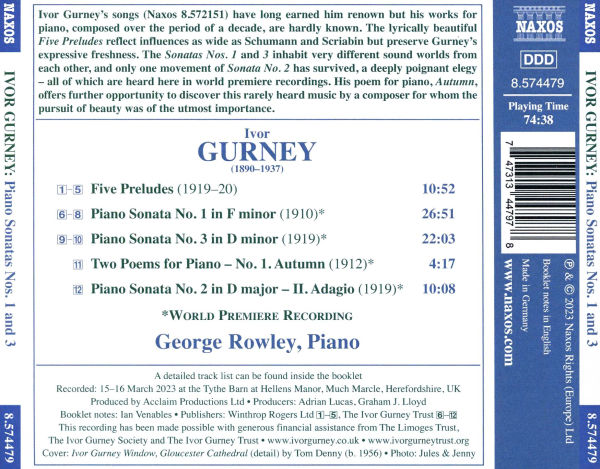
Gurney: Piano Sonatas Nos. 1 and 3; Piano Sonata No. 2 - II. Adagio; Five Preludes; Autumn in Franklin, TN
Current price: $21.99
Barnes and Noble
Gurney: Piano Sonatas Nos. 1 and 3; Piano Sonata No. 2 - II. Adagio; Five Preludes; Autumn in Franklin, TN
Current price: $21.99
Loading Inventory...
Size: OS
Though he has earned recognition for the many songs he wrote, the music that makes up the rest of the oeuvre of composer and poet
Ivor Gurney
has been lost or neglected. To that point, this program of solo piano works from
George Rowley
includes four world premiere recordings, spanning from the composer's student years to after his service in World War I.
Rowley
seems a perfect foil for these works, catching the emotional highs and lows throughout, and he should be commended for bringing them to a wider audience. The only non-premiere on the program is the opening
Five Preludes
, and the reason these didn't fall into neglect is clear in the wonderful use of melodic and harmonic phrasing. The earliest work here, the
Piano Sonata No. 1 in F minor
from 1910, was composed when he was a student of the long-time Three Choirs Festival organizer,
Sir Herbert Brewer
. While it lacks the maturity and individual style
Gurney
developed before penning the later works on this album, there is a sense of the composer building upon the Romantic masters. Written just two years later, "Autumn," one of his
Two Poems for piano
, displays an impressionist influence (certainly enhanced by the title) and is a definitive step forward in the progression of
's maturing style. The final work on this program is the only intact movement of what was to be another three-movement sonata, the
No. 2 in D major
. Written in 1919, this Adagio is heart-wrenching. Not only was
still grieving those lost in the war, he was also dealing with the deaths of his father and violinist
Margaret Hunt
, a friend and frequent dedicatee. Even without knowing his plight, the emotional depth of these pieces is evident, and the light shed on them here will hopefully spur further inquiries into the composer's catalog. ~ Keith Finke
Ivor Gurney
has been lost or neglected. To that point, this program of solo piano works from
George Rowley
includes four world premiere recordings, spanning from the composer's student years to after his service in World War I.
Rowley
seems a perfect foil for these works, catching the emotional highs and lows throughout, and he should be commended for bringing them to a wider audience. The only non-premiere on the program is the opening
Five Preludes
, and the reason these didn't fall into neglect is clear in the wonderful use of melodic and harmonic phrasing. The earliest work here, the
Piano Sonata No. 1 in F minor
from 1910, was composed when he was a student of the long-time Three Choirs Festival organizer,
Sir Herbert Brewer
. While it lacks the maturity and individual style
Gurney
developed before penning the later works on this album, there is a sense of the composer building upon the Romantic masters. Written just two years later, "Autumn," one of his
Two Poems for piano
, displays an impressionist influence (certainly enhanced by the title) and is a definitive step forward in the progression of
's maturing style. The final work on this program is the only intact movement of what was to be another three-movement sonata, the
No. 2 in D major
. Written in 1919, this Adagio is heart-wrenching. Not only was
still grieving those lost in the war, he was also dealing with the deaths of his father and violinist
Margaret Hunt
, a friend and frequent dedicatee. Even without knowing his plight, the emotional depth of these pieces is evident, and the light shed on them here will hopefully spur further inquiries into the composer's catalog. ~ Keith Finke
Though he has earned recognition for the many songs he wrote, the music that makes up the rest of the oeuvre of composer and poet
Ivor Gurney
has been lost or neglected. To that point, this program of solo piano works from
George Rowley
includes four world premiere recordings, spanning from the composer's student years to after his service in World War I.
Rowley
seems a perfect foil for these works, catching the emotional highs and lows throughout, and he should be commended for bringing them to a wider audience. The only non-premiere on the program is the opening
Five Preludes
, and the reason these didn't fall into neglect is clear in the wonderful use of melodic and harmonic phrasing. The earliest work here, the
Piano Sonata No. 1 in F minor
from 1910, was composed when he was a student of the long-time Three Choirs Festival organizer,
Sir Herbert Brewer
. While it lacks the maturity and individual style
Gurney
developed before penning the later works on this album, there is a sense of the composer building upon the Romantic masters. Written just two years later, "Autumn," one of his
Two Poems for piano
, displays an impressionist influence (certainly enhanced by the title) and is a definitive step forward in the progression of
's maturing style. The final work on this program is the only intact movement of what was to be another three-movement sonata, the
No. 2 in D major
. Written in 1919, this Adagio is heart-wrenching. Not only was
still grieving those lost in the war, he was also dealing with the deaths of his father and violinist
Margaret Hunt
, a friend and frequent dedicatee. Even without knowing his plight, the emotional depth of these pieces is evident, and the light shed on them here will hopefully spur further inquiries into the composer's catalog. ~ Keith Finke
Ivor Gurney
has been lost or neglected. To that point, this program of solo piano works from
George Rowley
includes four world premiere recordings, spanning from the composer's student years to after his service in World War I.
Rowley
seems a perfect foil for these works, catching the emotional highs and lows throughout, and he should be commended for bringing them to a wider audience. The only non-premiere on the program is the opening
Five Preludes
, and the reason these didn't fall into neglect is clear in the wonderful use of melodic and harmonic phrasing. The earliest work here, the
Piano Sonata No. 1 in F minor
from 1910, was composed when he was a student of the long-time Three Choirs Festival organizer,
Sir Herbert Brewer
. While it lacks the maturity and individual style
Gurney
developed before penning the later works on this album, there is a sense of the composer building upon the Romantic masters. Written just two years later, "Autumn," one of his
Two Poems for piano
, displays an impressionist influence (certainly enhanced by the title) and is a definitive step forward in the progression of
's maturing style. The final work on this program is the only intact movement of what was to be another three-movement sonata, the
No. 2 in D major
. Written in 1919, this Adagio is heart-wrenching. Not only was
still grieving those lost in the war, he was also dealing with the deaths of his father and violinist
Margaret Hunt
, a friend and frequent dedicatee. Even without knowing his plight, the emotional depth of these pieces is evident, and the light shed on them here will hopefully spur further inquiries into the composer's catalog. ~ Keith Finke
You May Also Like











More About Barnes and Noble at CoolSprings Galleria
Barnes & Noble is the world’s largest retail bookseller and a leading retailer of content, digital media and educational products. Our Nook Digital business offers a lineup of NOOK® tablets and e-Readers and an expansive collection of digital reading content through the NOOK Store®. Barnes & Noble’s mission is to operate the best omni-channel specialty retail business in America, helping both our customers and booksellers reach their aspirations, while being a credit to the communities we serve.
1800 Galleria Blvd #1310, Franklin, TN 37067, United States
Find Barnes and Noble at CoolSprings Galleria in Franklin, TN
Visit Barnes and Noble at CoolSprings Galleria in Franklin, TN
