
Home
Handbook of Research on Development and Religion
Barnes and Noble
Loading Inventory...
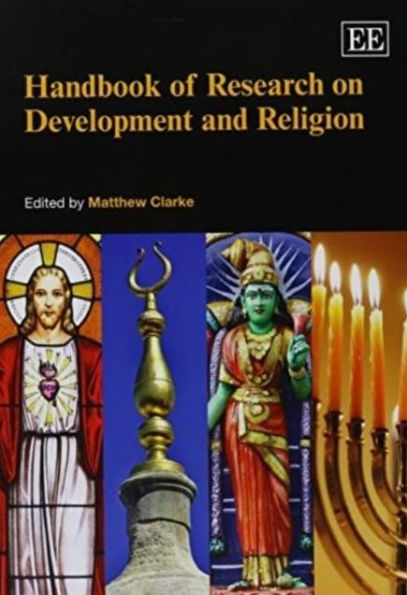
Handbook of Research on Development and Religion in Franklin, TN
Current price: $330.00
Barnes and Noble
Handbook of Research on Development and Religion in Franklin, TN
Current price: $330.00
Loading Inventory...
Size: Hardcover
With eighty percent of the world's population professing religious faith, religious belief is a common human characteristic. This fascinating and highly unique Handbook brings together state-of-the-art research on incorporating religion into development studies literature and research.
The expert contributors illustrate that as religious identity is integral to a community's culture, exclusion of religious consideration will limit successful development interventions; it is therefore necessary to conflate religion and development to enhance efforts to improve the lives of the poor. Issues addressed include: key tenets, beliefs and histories of religions; religious response to development concerns (gender, environment, education, microfinance, humanitarian assistance); and the role of faith based organizations and missionaries in the wider development context. Practical case studies of countries across Africa, Eastern Europe and the Pacific (including Australia) underpin the research, providing evidence that the intersection between religion and development is neither new nor static. By way of conclusion, suggestions are prescribed for extensive further research in order to advance understanding of this nascent field.
This path-breaking
Handbook
will prove a thought-provoking and stimulating reference tool for academics, researchers and students in international development, international relations, comparative religion and theology.
Contributors: N.A. Alolo, J. Anderson, M. Bano, L. Bi, S. Bradbury, G. Buchanan, M. Clarke, J.A. Connell, B. De Cordier, S. Deneulin, I. Fanany, R. Fanany, X. Fang, S.T. Flanigan, F. Helmiere, G. Hoffstaedter, R. Ireland, M. Jennings, H. Marquette, J. Miller, C. Moe-Lobeda, Y. Narayanan, I. Nolte, L. Rae, J. Rees, P. Riddell, A.W. Sanford, M. Sharpe, C. Starkey, J. Sweet, D.S. Tatla, D. Tittensor, E. Tomalin, A. Ware, V.-A. Ware, J. Wills, A. Yumina
The expert contributors illustrate that as religious identity is integral to a community's culture, exclusion of religious consideration will limit successful development interventions; it is therefore necessary to conflate religion and development to enhance efforts to improve the lives of the poor. Issues addressed include: key tenets, beliefs and histories of religions; religious response to development concerns (gender, environment, education, microfinance, humanitarian assistance); and the role of faith based organizations and missionaries in the wider development context. Practical case studies of countries across Africa, Eastern Europe and the Pacific (including Australia) underpin the research, providing evidence that the intersection between religion and development is neither new nor static. By way of conclusion, suggestions are prescribed for extensive further research in order to advance understanding of this nascent field.
This path-breaking
Handbook
will prove a thought-provoking and stimulating reference tool for academics, researchers and students in international development, international relations, comparative religion and theology.
Contributors: N.A. Alolo, J. Anderson, M. Bano, L. Bi, S. Bradbury, G. Buchanan, M. Clarke, J.A. Connell, B. De Cordier, S. Deneulin, I. Fanany, R. Fanany, X. Fang, S.T. Flanigan, F. Helmiere, G. Hoffstaedter, R. Ireland, M. Jennings, H. Marquette, J. Miller, C. Moe-Lobeda, Y. Narayanan, I. Nolte, L. Rae, J. Rees, P. Riddell, A.W. Sanford, M. Sharpe, C. Starkey, J. Sweet, D.S. Tatla, D. Tittensor, E. Tomalin, A. Ware, V.-A. Ware, J. Wills, A. Yumina
With eighty percent of the world's population professing religious faith, religious belief is a common human characteristic. This fascinating and highly unique Handbook brings together state-of-the-art research on incorporating religion into development studies literature and research.
The expert contributors illustrate that as religious identity is integral to a community's culture, exclusion of religious consideration will limit successful development interventions; it is therefore necessary to conflate religion and development to enhance efforts to improve the lives of the poor. Issues addressed include: key tenets, beliefs and histories of religions; religious response to development concerns (gender, environment, education, microfinance, humanitarian assistance); and the role of faith based organizations and missionaries in the wider development context. Practical case studies of countries across Africa, Eastern Europe and the Pacific (including Australia) underpin the research, providing evidence that the intersection between religion and development is neither new nor static. By way of conclusion, suggestions are prescribed for extensive further research in order to advance understanding of this nascent field.
This path-breaking
Handbook
will prove a thought-provoking and stimulating reference tool for academics, researchers and students in international development, international relations, comparative religion and theology.
Contributors: N.A. Alolo, J. Anderson, M. Bano, L. Bi, S. Bradbury, G. Buchanan, M. Clarke, J.A. Connell, B. De Cordier, S. Deneulin, I. Fanany, R. Fanany, X. Fang, S.T. Flanigan, F. Helmiere, G. Hoffstaedter, R. Ireland, M. Jennings, H. Marquette, J. Miller, C. Moe-Lobeda, Y. Narayanan, I. Nolte, L. Rae, J. Rees, P. Riddell, A.W. Sanford, M. Sharpe, C. Starkey, J. Sweet, D.S. Tatla, D. Tittensor, E. Tomalin, A. Ware, V.-A. Ware, J. Wills, A. Yumina
The expert contributors illustrate that as religious identity is integral to a community's culture, exclusion of religious consideration will limit successful development interventions; it is therefore necessary to conflate religion and development to enhance efforts to improve the lives of the poor. Issues addressed include: key tenets, beliefs and histories of religions; religious response to development concerns (gender, environment, education, microfinance, humanitarian assistance); and the role of faith based organizations and missionaries in the wider development context. Practical case studies of countries across Africa, Eastern Europe and the Pacific (including Australia) underpin the research, providing evidence that the intersection between religion and development is neither new nor static. By way of conclusion, suggestions are prescribed for extensive further research in order to advance understanding of this nascent field.
This path-breaking
Handbook
will prove a thought-provoking and stimulating reference tool for academics, researchers and students in international development, international relations, comparative religion and theology.
Contributors: N.A. Alolo, J. Anderson, M. Bano, L. Bi, S. Bradbury, G. Buchanan, M. Clarke, J.A. Connell, B. De Cordier, S. Deneulin, I. Fanany, R. Fanany, X. Fang, S.T. Flanigan, F. Helmiere, G. Hoffstaedter, R. Ireland, M. Jennings, H. Marquette, J. Miller, C. Moe-Lobeda, Y. Narayanan, I. Nolte, L. Rae, J. Rees, P. Riddell, A.W. Sanford, M. Sharpe, C. Starkey, J. Sweet, D.S. Tatla, D. Tittensor, E. Tomalin, A. Ware, V.-A. Ware, J. Wills, A. Yumina
You May Also Like










More About Barnes and Noble at CoolSprings Galleria
Barnes & Noble is the world’s largest retail bookseller and a leading retailer of content, digital media and educational products. Our Nook Digital business offers a lineup of NOOK® tablets and e-Readers and an expansive collection of digital reading content through the NOOK Store®. Barnes & Noble’s mission is to operate the best omni-channel specialty retail business in America, helping both our customers and booksellers reach their aspirations, while being a credit to the communities we serve.
1800 Galleria Blvd #1310, Franklin, TN 37067, United States
Find Barnes and Noble at CoolSprings Galleria in Franklin, TN
Visit Barnes and Noble at CoolSprings Galleria in Franklin, TN
