
Home
Haydn 2032, No. 12: les jeux et plaisirs
Barnes and Noble
Loading Inventory...
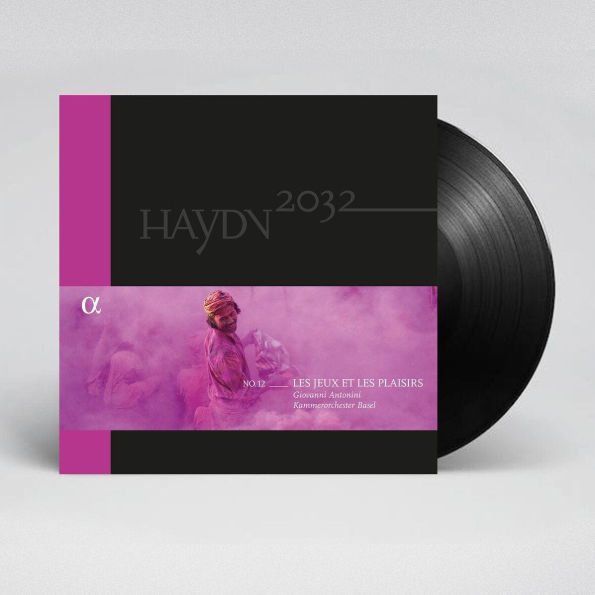
Haydn 2032, No. 12: les jeux et plaisirs in Franklin, TN
Current price: $22.99
Barnes and Noble
Haydn 2032, No. 12: les jeux et plaisirs in Franklin, TN
Current price: $22.99
Loading Inventory...
Size: CD
The
Alpha
label's "Haydn 2032" project to record all of
Haydn
's symphonies has dual aims that usually, although not unerringly, fit together: rather than present the symphonies chronologically, conductor
Giovanni Antonini
has chosen a thematic approach, and each volume in the series also includes a work not by
that is relevant in some way. In this case, that work is the
Toy Symphony
, which was long attributed to
but is now thought to be by one of various candidates, including
Michael Haydn
,
Leopold Mozart
, and a monk-composer named
Edmund Angerer
. Recordings of the work, which features a cuckoo device, bird calls, a toy trumpet, and other devices, are not as common as they once were, and some buyers of this commercially successful release may have been attracted by
Antonini
's witty performance alone. In addition to the
, there are three
symphonies from the 1770s, originally written for theatrical performances (this is the slender reed connecting them to the "games and pleasures" theme).
's performances of these are quite strong. He does well to use the
Kammerorchester Basel
here (it is one of multiple groups employed over the course of the project); with about 40 musicians, he can convey the growing motoric power of
's symphonies of the period and bring out the unusually vivid orchestration (sample the first movement of the
Symphony No. 61
, at the second theme with its mix of winds). The performances are punchy and infectious, with a bright (maybe overbright) sound environment in Basel's Don Bosco cultural center. Certainly, this is an entertaining entry in a series whose new entries are increasingly eagerly awaited. ~ James Manheim
Alpha
label's "Haydn 2032" project to record all of
Haydn
's symphonies has dual aims that usually, although not unerringly, fit together: rather than present the symphonies chronologically, conductor
Giovanni Antonini
has chosen a thematic approach, and each volume in the series also includes a work not by
that is relevant in some way. In this case, that work is the
Toy Symphony
, which was long attributed to
but is now thought to be by one of various candidates, including
Michael Haydn
,
Leopold Mozart
, and a monk-composer named
Edmund Angerer
. Recordings of the work, which features a cuckoo device, bird calls, a toy trumpet, and other devices, are not as common as they once were, and some buyers of this commercially successful release may have been attracted by
Antonini
's witty performance alone. In addition to the
, there are three
symphonies from the 1770s, originally written for theatrical performances (this is the slender reed connecting them to the "games and pleasures" theme).
's performances of these are quite strong. He does well to use the
Kammerorchester Basel
here (it is one of multiple groups employed over the course of the project); with about 40 musicians, he can convey the growing motoric power of
's symphonies of the period and bring out the unusually vivid orchestration (sample the first movement of the
Symphony No. 61
, at the second theme with its mix of winds). The performances are punchy and infectious, with a bright (maybe overbright) sound environment in Basel's Don Bosco cultural center. Certainly, this is an entertaining entry in a series whose new entries are increasingly eagerly awaited. ~ James Manheim
The
Alpha
label's "Haydn 2032" project to record all of
Haydn
's symphonies has dual aims that usually, although not unerringly, fit together: rather than present the symphonies chronologically, conductor
Giovanni Antonini
has chosen a thematic approach, and each volume in the series also includes a work not by
that is relevant in some way. In this case, that work is the
Toy Symphony
, which was long attributed to
but is now thought to be by one of various candidates, including
Michael Haydn
,
Leopold Mozart
, and a monk-composer named
Edmund Angerer
. Recordings of the work, which features a cuckoo device, bird calls, a toy trumpet, and other devices, are not as common as they once were, and some buyers of this commercially successful release may have been attracted by
Antonini
's witty performance alone. In addition to the
, there are three
symphonies from the 1770s, originally written for theatrical performances (this is the slender reed connecting them to the "games and pleasures" theme).
's performances of these are quite strong. He does well to use the
Kammerorchester Basel
here (it is one of multiple groups employed over the course of the project); with about 40 musicians, he can convey the growing motoric power of
's symphonies of the period and bring out the unusually vivid orchestration (sample the first movement of the
Symphony No. 61
, at the second theme with its mix of winds). The performances are punchy and infectious, with a bright (maybe overbright) sound environment in Basel's Don Bosco cultural center. Certainly, this is an entertaining entry in a series whose new entries are increasingly eagerly awaited. ~ James Manheim
Alpha
label's "Haydn 2032" project to record all of
Haydn
's symphonies has dual aims that usually, although not unerringly, fit together: rather than present the symphonies chronologically, conductor
Giovanni Antonini
has chosen a thematic approach, and each volume in the series also includes a work not by
that is relevant in some way. In this case, that work is the
Toy Symphony
, which was long attributed to
but is now thought to be by one of various candidates, including
Michael Haydn
,
Leopold Mozart
, and a monk-composer named
Edmund Angerer
. Recordings of the work, which features a cuckoo device, bird calls, a toy trumpet, and other devices, are not as common as they once were, and some buyers of this commercially successful release may have been attracted by
Antonini
's witty performance alone. In addition to the
, there are three
symphonies from the 1770s, originally written for theatrical performances (this is the slender reed connecting them to the "games and pleasures" theme).
's performances of these are quite strong. He does well to use the
Kammerorchester Basel
here (it is one of multiple groups employed over the course of the project); with about 40 musicians, he can convey the growing motoric power of
's symphonies of the period and bring out the unusually vivid orchestration (sample the first movement of the
Symphony No. 61
, at the second theme with its mix of winds). The performances are punchy and infectious, with a bright (maybe overbright) sound environment in Basel's Don Bosco cultural center. Certainly, this is an entertaining entry in a series whose new entries are increasingly eagerly awaited. ~ James Manheim
You May Also Like










More About Barnes and Noble at CoolSprings Galleria
Barnes & Noble is the world’s largest retail bookseller and a leading retailer of content, digital media and educational products. Our Nook Digital business offers a lineup of NOOK® tablets and e-Readers and an expansive collection of digital reading content through the NOOK Store®. Barnes & Noble’s mission is to operate the best omni-channel specialty retail business in America, helping both our customers and booksellers reach their aspirations, while being a credit to the communities we serve.
1800 Galleria Blvd #1310, Franklin, TN 37067, United States
Find Barnes and Noble at CoolSprings Galleria in Franklin, TN
Visit Barnes and Noble at CoolSprings Galleria in Franklin, TN
