
Home
Health Metrics and the Spread of Infectious Diseases: Machine Learning Applications Spatial Modelling Analysis with R
Barnes and Noble
Loading Inventory...
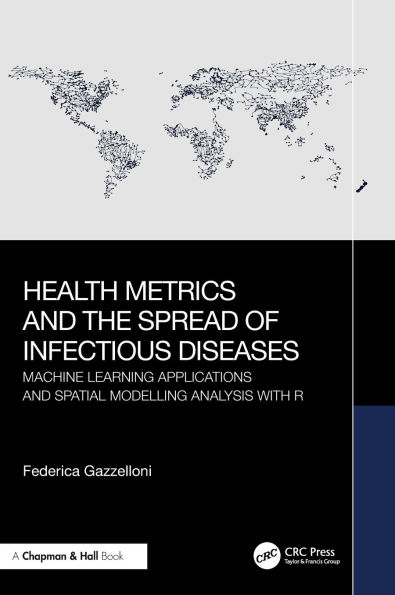
Health Metrics and the Spread of Infectious Diseases: Machine Learning Applications Spatial Modelling Analysis with R in Franklin, TN
Current price: $115.00
Barnes and Noble
Health Metrics and the Spread of Infectious Diseases: Machine Learning Applications Spatial Modelling Analysis with R in Franklin, TN
Current price: $115.00
Loading Inventory...
Size: Hardcover
Health Metrics and the Spread of Infectious Diseases: Machine Learning Applications and Spatial Modelling Analysis with R
is an introductory guide to health metrics and infectious diseases. It demonstrates how to calculate these metrics to compare the health status of different countries and explores the world of infectious diseases. It tests various machine learning tools for analyzing trends and relationships among key variables, aiming to prevent unexpected outcomes. Through detailed explanations and practical examples, readers will gain a comprehensive understanding of Disability Adjusted Life Years (DALYs) and their components.
Key Features:
Structured into four main sections—foundational health metrics, machine learning applications, data visualization, and real-world case studies
Integrates real-world case studies with data visualization and machine learning techniques, including spatial modelling with the R programming language
Covers specific infectious diseases such as COVID-19 and malaria, providing insights into their spread and control
Includes detailed explanations, practical exercises, and clear illustrations to enhance understanding and application
Adopts a practical approach, making advanced concepts accessible to a wide audience
The book is primarily aimed at researchers, data scientists, and public health professionals who seek to leverage data to improve health outcomes. By blending theoretical knowledge with practical applications, the book equips readers with the tools to make informed decisions and produce meaningful data analyses in public health.
is an introductory guide to health metrics and infectious diseases. It demonstrates how to calculate these metrics to compare the health status of different countries and explores the world of infectious diseases. It tests various machine learning tools for analyzing trends and relationships among key variables, aiming to prevent unexpected outcomes. Through detailed explanations and practical examples, readers will gain a comprehensive understanding of Disability Adjusted Life Years (DALYs) and their components.
Key Features:
Structured into four main sections—foundational health metrics, machine learning applications, data visualization, and real-world case studies
Integrates real-world case studies with data visualization and machine learning techniques, including spatial modelling with the R programming language
Covers specific infectious diseases such as COVID-19 and malaria, providing insights into their spread and control
Includes detailed explanations, practical exercises, and clear illustrations to enhance understanding and application
Adopts a practical approach, making advanced concepts accessible to a wide audience
The book is primarily aimed at researchers, data scientists, and public health professionals who seek to leverage data to improve health outcomes. By blending theoretical knowledge with practical applications, the book equips readers with the tools to make informed decisions and produce meaningful data analyses in public health.
Health Metrics and the Spread of Infectious Diseases: Machine Learning Applications and Spatial Modelling Analysis with R
is an introductory guide to health metrics and infectious diseases. It demonstrates how to calculate these metrics to compare the health status of different countries and explores the world of infectious diseases. It tests various machine learning tools for analyzing trends and relationships among key variables, aiming to prevent unexpected outcomes. Through detailed explanations and practical examples, readers will gain a comprehensive understanding of Disability Adjusted Life Years (DALYs) and their components.
Key Features:
Structured into four main sections—foundational health metrics, machine learning applications, data visualization, and real-world case studies
Integrates real-world case studies with data visualization and machine learning techniques, including spatial modelling with the R programming language
Covers specific infectious diseases such as COVID-19 and malaria, providing insights into their spread and control
Includes detailed explanations, practical exercises, and clear illustrations to enhance understanding and application
Adopts a practical approach, making advanced concepts accessible to a wide audience
The book is primarily aimed at researchers, data scientists, and public health professionals who seek to leverage data to improve health outcomes. By blending theoretical knowledge with practical applications, the book equips readers with the tools to make informed decisions and produce meaningful data analyses in public health.
is an introductory guide to health metrics and infectious diseases. It demonstrates how to calculate these metrics to compare the health status of different countries and explores the world of infectious diseases. It tests various machine learning tools for analyzing trends and relationships among key variables, aiming to prevent unexpected outcomes. Through detailed explanations and practical examples, readers will gain a comprehensive understanding of Disability Adjusted Life Years (DALYs) and their components.
Key Features:
Structured into four main sections—foundational health metrics, machine learning applications, data visualization, and real-world case studies
Integrates real-world case studies with data visualization and machine learning techniques, including spatial modelling with the R programming language
Covers specific infectious diseases such as COVID-19 and malaria, providing insights into their spread and control
Includes detailed explanations, practical exercises, and clear illustrations to enhance understanding and application
Adopts a practical approach, making advanced concepts accessible to a wide audience
The book is primarily aimed at researchers, data scientists, and public health professionals who seek to leverage data to improve health outcomes. By blending theoretical knowledge with practical applications, the book equips readers with the tools to make informed decisions and produce meaningful data analyses in public health.
You May Also Like











More About Barnes and Noble at CoolSprings Galleria
Barnes & Noble is the world’s largest retail bookseller and a leading retailer of content, digital media and educational products. Our Nook Digital business offers a lineup of NOOK® tablets and e-Readers and an expansive collection of digital reading content through the NOOK Store®. Barnes & Noble’s mission is to operate the best omni-channel specialty retail business in America, helping both our customers and booksellers reach their aspirations, while being a credit to the communities we serve.
1800 Galleria Blvd #1310, Franklin, TN 37067, United States
Find Barnes and Noble at CoolSprings Galleria in Franklin, TN
Visit Barnes and Noble at CoolSprings Galleria in Franklin, TN