
Home
High Contrast Hollywood
Barnes and Noble
Loading Inventory...
High Contrast Hollywood in Franklin, TN
Current price: $30.00
Barnes and Noble
High Contrast Hollywood in Franklin, TN
Current price: $30.00
Loading Inventory...
Size: Hardcover
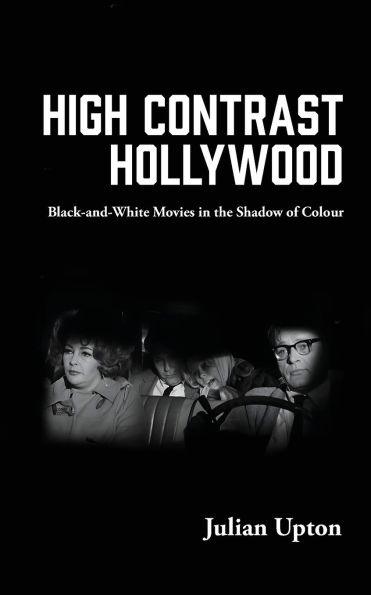
Black-and-white cinema effectively died out almost overnight in the mid-1960s. But in the face of a decade of serious competition from colour and widescreen-not to mention visual fads like 3D-black-and- white cinematography remained innovative and even experimental as it reached what looked like its endpoint. The evidence from a host of films from the mid-1950s onwards was that black and white cinematography was also still improving. It still had places to go, new techniques to exhibit.
High Contrast Hollywood revisits the groundbreaking black-and-white films from the period when the format was first under siege, in the 1950s, to those scarce but bold monochrome movies of the 1970s and '80s, made when black-and-white had long since become a cinematic relic of the past. It chronicles how the resilient medium fought back during the Technicolor and CinemaScope age (1953-62), in films such as
Blackboard Jungle
(1955),
Marty
The Apartment
(1960) and
Psycho
(1960), and details how black and white came back into fashion, thanks to the influence of the French New Wave, in striking adult- oriented 1960s movies such as
Who's Afraid of Virginia Woolf?
(1966),
Seconds
(1966) and
In Cold Blood
(1967).
High Contrast Hollywood also explores how black-and-white film became the format of choice for avant-garde, iconoclastic and maverick directors, in Peter Bogdanovich's
The Last Picture Show
(1971), Bob Fosse's
Lenny
(1974), Mel Brooks'
Young Frankenstein
(1974), David Lynch's
The Elephant Man
(1980), Martin Scorsese's
Raging Bull
(1980) and Francis Coppola's
Rumble Fish
(1983). Finally, it celebrates the continued power of black and white as it crossed over from celluloid to digital filmmaking, still able to captivate viewers in offbeat and uncompromising films, from
Ed Wood
(1993) to
Sin City
(2005).
High Contrast Hollywood revisits the groundbreaking black-and-white films from the period when the format was first under siege, in the 1950s, to those scarce but bold monochrome movies of the 1970s and '80s, made when black-and-white had long since become a cinematic relic of the past. It chronicles how the resilient medium fought back during the Technicolor and CinemaScope age (1953-62), in films such as
Blackboard Jungle
(1955),
Marty
The Apartment
(1960) and
Psycho
(1960), and details how black and white came back into fashion, thanks to the influence of the French New Wave, in striking adult- oriented 1960s movies such as
Who's Afraid of Virginia Woolf?
(1966),
Seconds
(1966) and
In Cold Blood
(1967).
High Contrast Hollywood also explores how black-and-white film became the format of choice for avant-garde, iconoclastic and maverick directors, in Peter Bogdanovich's
The Last Picture Show
(1971), Bob Fosse's
Lenny
(1974), Mel Brooks'
Young Frankenstein
(1974), David Lynch's
The Elephant Man
(1980), Martin Scorsese's
Raging Bull
(1980) and Francis Coppola's
Rumble Fish
(1983). Finally, it celebrates the continued power of black and white as it crossed over from celluloid to digital filmmaking, still able to captivate viewers in offbeat and uncompromising films, from
Ed Wood
(1993) to
Sin City
(2005).
Black-and-white cinema effectively died out almost overnight in the mid-1960s. But in the face of a decade of serious competition from colour and widescreen-not to mention visual fads like 3D-black-and- white cinematography remained innovative and even experimental as it reached what looked like its endpoint. The evidence from a host of films from the mid-1950s onwards was that black and white cinematography was also still improving. It still had places to go, new techniques to exhibit.
High Contrast Hollywood revisits the groundbreaking black-and-white films from the period when the format was first under siege, in the 1950s, to those scarce but bold monochrome movies of the 1970s and '80s, made when black-and-white had long since become a cinematic relic of the past. It chronicles how the resilient medium fought back during the Technicolor and CinemaScope age (1953-62), in films such as
Blackboard Jungle
(1955),
Marty
The Apartment
(1960) and
Psycho
(1960), and details how black and white came back into fashion, thanks to the influence of the French New Wave, in striking adult- oriented 1960s movies such as
Who's Afraid of Virginia Woolf?
(1966),
Seconds
(1966) and
In Cold Blood
(1967).
High Contrast Hollywood also explores how black-and-white film became the format of choice for avant-garde, iconoclastic and maverick directors, in Peter Bogdanovich's
The Last Picture Show
(1971), Bob Fosse's
Lenny
(1974), Mel Brooks'
Young Frankenstein
(1974), David Lynch's
The Elephant Man
(1980), Martin Scorsese's
Raging Bull
(1980) and Francis Coppola's
Rumble Fish
(1983). Finally, it celebrates the continued power of black and white as it crossed over from celluloid to digital filmmaking, still able to captivate viewers in offbeat and uncompromising films, from
Ed Wood
(1993) to
Sin City
(2005).
High Contrast Hollywood revisits the groundbreaking black-and-white films from the period when the format was first under siege, in the 1950s, to those scarce but bold monochrome movies of the 1970s and '80s, made when black-and-white had long since become a cinematic relic of the past. It chronicles how the resilient medium fought back during the Technicolor and CinemaScope age (1953-62), in films such as
Blackboard Jungle
(1955),
Marty
The Apartment
(1960) and
Psycho
(1960), and details how black and white came back into fashion, thanks to the influence of the French New Wave, in striking adult- oriented 1960s movies such as
Who's Afraid of Virginia Woolf?
(1966),
Seconds
(1966) and
In Cold Blood
(1967).
High Contrast Hollywood also explores how black-and-white film became the format of choice for avant-garde, iconoclastic and maverick directors, in Peter Bogdanovich's
The Last Picture Show
(1971), Bob Fosse's
Lenny
(1974), Mel Brooks'
Young Frankenstein
(1974), David Lynch's
The Elephant Man
(1980), Martin Scorsese's
Raging Bull
(1980) and Francis Coppola's
Rumble Fish
(1983). Finally, it celebrates the continued power of black and white as it crossed over from celluloid to digital filmmaking, still able to captivate viewers in offbeat and uncompromising films, from
Ed Wood
(1993) to
Sin City
(2005).
You May Also Like









More About Barnes and Noble at CoolSprings Galleria
Barnes & Noble is the world’s largest retail bookseller and a leading retailer of content, digital media and educational products. Our Nook Digital business offers a lineup of NOOK® tablets and e-Readers and an expansive collection of digital reading content through the NOOK Store®. Barnes & Noble’s mission is to operate the best omni-channel specialty retail business in America, helping both our customers and booksellers reach their aspirations, while being a credit to the communities we serve.
1800 Galleria Blvd #1310, Franklin, TN 37067, United States
Find Barnes and Noble at CoolSprings Galleria in Franklin, TN
Visit Barnes and Noble at CoolSprings Galleria in Franklin, TN
