
Home
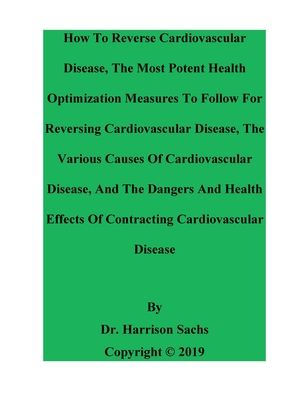
How To Reverse Cardiovascular Disease And The Dangers Health Effects Of Contracting
Barnes and Noble
Loading Inventory...
How To Reverse Cardiovascular Disease And The Dangers Health Effects Of Contracting in Franklin, TN
Current price: $21.99
Barnes and Noble
How To Reverse Cardiovascular Disease And The Dangers Health Effects Of Contracting in Franklin, TN
Current price: $21.99
Loading Inventory...
Size: Paperback
This essay sheds light on how to reverse cardiovascular disease, demystifies the most potent health optimization measures to follow for reversing cardiovascular disease, reveals the various causes of cardiovascular disease, and delineates the dangers and health effects of contracting cardiovascular disease. Much to the relief of health conscious people, it is viably possible to reverse cardiovascular disease. Following the health optimization measures that are conducive to reversing cardiovascular disease can help to facilitate the reversal of cardiovascular disease. "Cardiovascular disease refers to a number of health conditions that adversely affect the circulatory system, including the heart, arteries, veins, and capillaries". As of May of 2019, "cardiovascular disease is the most common cause of death". Cardiovascular disease can transpire when the cardiovascular system becomes ravaged which results in the impairment of cardiovascular system functions. The decimation of the cardiovascular system in the vessel is far more detrimental than most people presume it is. Most people grossly underestimate the eminent importance of maintaining optimal cardiovascular system in the vessel. Succumbing to cardiovascular disease can render a person all the more vulnerable to succumbing to severe multi-organ health issues. The role of cardiovascular system is multifarious since the cardiovascular system fulfills a multitude of vital functions in the vessel. The role of cardiovascular system in the vessel extends far beyond the ambit of the cardiovascular system "transporting nutrients and oxygen-rich blood to all parts of the" vessel. "The cardiovascular system also serves the vital function of carrying deoxygenated blood back to the lungs". The cardiovascular system is comprised of ample components. The components that the cardiovascular system is comprised of encompass "the heart and a closed system of blood vessels". The "closed system of blood vessels" that the cardiovascular system is comprised of encompass "arteries, veins, and capillaries". The arteries are "vessels that transport blood away from the heart". The veins are "vessels that transport blood back to the heart". The capillaries are "tiny vessels that branch off from the arteries to transport blood to all body tissues". The heart fulfills a vast variety of functions in the vessel. "The heart beats around 100,000 times a day, pumping approximately eight pints of blood throughout the body 24/7". The pumping of the heart is able to educe the deliverance of "oxygen-rich and nutrient-rich blood to tissues and organs". The functions of the heart are not limited to inducing blood flow. The pumping of the heart is also able to transport waste products away from the circulatory system. The pumping of the heart is able to propel "deoxygenated blood to the lungs, where the blood loads up with oxygen and unloads carbon dioxide, a waste product of the metabolism". The cardiovascular system is also comprised of "two blood circulatory systems". The two blood circulatory systems" in the vessel encompass "the systemic circulatory system and the pulmonary circulatory system. The systemic circulatory system" is a "blood circulatory system that transports blood to the organs, tissues, and cells throughout the body. The systemic circulatory system" is a "blood circulatory system that transports blood between the heart and lungs. It is where oxygen enters the blood and carbon dioxide leaves the blood". The two blood circulatory systems" of the cardiovascular system fulfill vital functions in the vessel. "The cardiac cycle" of the heart is the "series of the pressure changes" that transpire "within the heart". "The cardiac cycle" of the heart "consists of two phases". The two phases of the cardiac cycle encompass diastole and systole. "The first phase" of the cardiac cycle is diastole. Diastole commences "when the aortic or pulmonary valve closes and ends when the mitral or tricuspid valve closes. During diastole, blood vessels return blood to the heart in preparation for the next contraction of the ventricles". "The second phase" of the cardiac cycle is systole. Systole commences "when the mitral or tricuspid valve closes and ends when the aortic or pulmonary valve closes. The pressure inside the ventricles becomes greater than the pressure inside adjacent blood vessels, thereby ejecting the blood from the ventricles to the blood vessels". There are a myriad of disparate cardiovascular diseases. Some of the different cardiovascular diseases encompass "coronary heart disease, hypertensive heart disease, and valvular heart disease". As of May of 2019, even though a myriad of cardiovascular diseases are reversible, it however remains enigmatic if congenital heart disease will ever be reversible since it is elicited from "heart abnormality present at birth. Heart abnormalities that are present at birth" are easily preventable if the mother follows health optimization measures.
This essay sheds light on how to reverse cardiovascular disease, demystifies the most potent health optimization measures to follow for reversing cardiovascular disease, reveals the various causes of cardiovascular disease, and delineates the dangers and health effects of contracting cardiovascular disease. Much to the relief of health conscious people, it is viably possible to reverse cardiovascular disease. Following the health optimization measures that are conducive to reversing cardiovascular disease can help to facilitate the reversal of cardiovascular disease. "Cardiovascular disease refers to a number of health conditions that adversely affect the circulatory system, including the heart, arteries, veins, and capillaries". As of May of 2019, "cardiovascular disease is the most common cause of death". Cardiovascular disease can transpire when the cardiovascular system becomes ravaged which results in the impairment of cardiovascular system functions. The decimation of the cardiovascular system in the vessel is far more detrimental than most people presume it is. Most people grossly underestimate the eminent importance of maintaining optimal cardiovascular system in the vessel. Succumbing to cardiovascular disease can render a person all the more vulnerable to succumbing to severe multi-organ health issues. The role of cardiovascular system is multifarious since the cardiovascular system fulfills a multitude of vital functions in the vessel. The role of cardiovascular system in the vessel extends far beyond the ambit of the cardiovascular system "transporting nutrients and oxygen-rich blood to all parts of the" vessel. "The cardiovascular system also serves the vital function of carrying deoxygenated blood back to the lungs". The cardiovascular system is comprised of ample components. The components that the cardiovascular system is comprised of encompass "the heart and a closed system of blood vessels". The "closed system of blood vessels" that the cardiovascular system is comprised of encompass "arteries, veins, and capillaries". The arteries are "vessels that transport blood away from the heart". The veins are "vessels that transport blood back to the heart". The capillaries are "tiny vessels that branch off from the arteries to transport blood to all body tissues". The heart fulfills a vast variety of functions in the vessel. "The heart beats around 100,000 times a day, pumping approximately eight pints of blood throughout the body 24/7". The pumping of the heart is able to educe the deliverance of "oxygen-rich and nutrient-rich blood to tissues and organs". The functions of the heart are not limited to inducing blood flow. The pumping of the heart is also able to transport waste products away from the circulatory system. The pumping of the heart is able to propel "deoxygenated blood to the lungs, where the blood loads up with oxygen and unloads carbon dioxide, a waste product of the metabolism". The cardiovascular system is also comprised of "two blood circulatory systems". The two blood circulatory systems" in the vessel encompass "the systemic circulatory system and the pulmonary circulatory system. The systemic circulatory system" is a "blood circulatory system that transports blood to the organs, tissues, and cells throughout the body. The systemic circulatory system" is a "blood circulatory system that transports blood between the heart and lungs. It is where oxygen enters the blood and carbon dioxide leaves the blood". The two blood circulatory systems" of the cardiovascular system fulfill vital functions in the vessel. "The cardiac cycle" of the heart is the "series of the pressure changes" that transpire "within the heart". "The cardiac cycle" of the heart "consists of two phases". The two phases of the cardiac cycle encompass diastole and systole. "The first phase" of the cardiac cycle is diastole. Diastole commences "when the aortic or pulmonary valve closes and ends when the mitral or tricuspid valve closes. During diastole, blood vessels return blood to the heart in preparation for the next contraction of the ventricles". "The second phase" of the cardiac cycle is systole. Systole commences "when the mitral or tricuspid valve closes and ends when the aortic or pulmonary valve closes. The pressure inside the ventricles becomes greater than the pressure inside adjacent blood vessels, thereby ejecting the blood from the ventricles to the blood vessels". There are a myriad of disparate cardiovascular diseases. Some of the different cardiovascular diseases encompass "coronary heart disease, hypertensive heart disease, and valvular heart disease". As of May of 2019, even though a myriad of cardiovascular diseases are reversible, it however remains enigmatic if congenital heart disease will ever be reversible since it is elicited from "heart abnormality present at birth. Heart abnormalities that are present at birth" are easily preventable if the mother follows health optimization measures.
You May Also Like










More About Barnes and Noble at CoolSprings Galleria
Barnes & Noble is the world’s largest retail bookseller and a leading retailer of content, digital media and educational products. Our Nook Digital business offers a lineup of NOOK® tablets and e-Readers and an expansive collection of digital reading content through the NOOK Store®. Barnes & Noble’s mission is to operate the best omni-channel specialty retail business in America, helping both our customers and booksellers reach their aspirations, while being a credit to the communities we serve.
1800 Galleria Blvd #1310, Franklin, TN 37067, United States
Find Barnes and Noble at CoolSprings Galleria in Franklin, TN
Visit Barnes and Noble at CoolSprings Galleria in Franklin, TN
