
Home
Ilex Cassine, the Aboriginal North American Tea
Barnes and Noble
Loading Inventory...
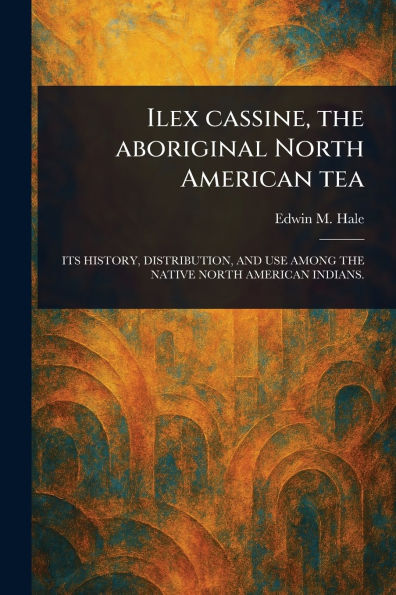
Ilex Cassine, the Aboriginal North American Tea in Franklin, TN
Current price: $13.95
Barnes and Noble
Ilex Cassine, the Aboriginal North American Tea in Franklin, TN
Current price: $13.95
Loading Inventory...
Size: OS
Discover the fascinating history of "Ilex cassine," the plant behind the "black drink," a ceremonial beverage central to many Southeastern Native American cultures. In "Ilex cassine, the Aboriginal North American tea: Its history, distribution, and use among the Native American Indians," E. M. Hale delves into the ethnobotany of this intriguing plant and its profound cultural significance. Learn about the preparation, distribution, and ritualistic use of this "aboriginal tea" among various indigenous groups. This meticulously researched work provides valuable insights into the traditions and social structures of the Southeastern Indians and their connection to the natural world. A vital resource for anyone interested in Native American history, ethnobotany, or the cultural heritage of the American South.
This work has been selected by scholars as being culturally important, and is part of the knowledge base of civilization as we know it.
This work is in the public domain in the United States of America, and possibly other nations. Within the United States, you may freely copy and distribute this work, as no entity (individual or corporate) has a copyright on the body of the work.
Scholars believe, and we concur, that this work is important enough to be preserved, reproduced, and made generally available to the public. We appreciate your support of the preservation process, and thank you for being an important part of keeping this knowledge alive and relevant.
This work has been selected by scholars as being culturally important, and is part of the knowledge base of civilization as we know it.
This work is in the public domain in the United States of America, and possibly other nations. Within the United States, you may freely copy and distribute this work, as no entity (individual or corporate) has a copyright on the body of the work.
Scholars believe, and we concur, that this work is important enough to be preserved, reproduced, and made generally available to the public. We appreciate your support of the preservation process, and thank you for being an important part of keeping this knowledge alive and relevant.
Discover the fascinating history of "Ilex cassine," the plant behind the "black drink," a ceremonial beverage central to many Southeastern Native American cultures. In "Ilex cassine, the Aboriginal North American tea: Its history, distribution, and use among the Native American Indians," E. M. Hale delves into the ethnobotany of this intriguing plant and its profound cultural significance. Learn about the preparation, distribution, and ritualistic use of this "aboriginal tea" among various indigenous groups. This meticulously researched work provides valuable insights into the traditions and social structures of the Southeastern Indians and their connection to the natural world. A vital resource for anyone interested in Native American history, ethnobotany, or the cultural heritage of the American South.
This work has been selected by scholars as being culturally important, and is part of the knowledge base of civilization as we know it.
This work is in the public domain in the United States of America, and possibly other nations. Within the United States, you may freely copy and distribute this work, as no entity (individual or corporate) has a copyright on the body of the work.
Scholars believe, and we concur, that this work is important enough to be preserved, reproduced, and made generally available to the public. We appreciate your support of the preservation process, and thank you for being an important part of keeping this knowledge alive and relevant.
This work has been selected by scholars as being culturally important, and is part of the knowledge base of civilization as we know it.
This work is in the public domain in the United States of America, and possibly other nations. Within the United States, you may freely copy and distribute this work, as no entity (individual or corporate) has a copyright on the body of the work.
Scholars believe, and we concur, that this work is important enough to be preserved, reproduced, and made generally available to the public. We appreciate your support of the preservation process, and thank you for being an important part of keeping this knowledge alive and relevant.
You May Also Like











More About Barnes and Noble at CoolSprings Galleria
Barnes & Noble is the world’s largest retail bookseller and a leading retailer of content, digital media and educational products. Our Nook Digital business offers a lineup of NOOK® tablets and e-Readers and an expansive collection of digital reading content through the NOOK Store®. Barnes & Noble’s mission is to operate the best omni-channel specialty retail business in America, helping both our customers and booksellers reach their aspirations, while being a credit to the communities we serve.
1800 Galleria Blvd #1310, Franklin, TN 37067, United States
Find Barnes and Noble at CoolSprings Galleria in Franklin, TN
Visit Barnes and Noble at CoolSprings Galleria in Franklin, TN
