
Home
Illustrating the Lord of Rings Soviet Bloc: Iconographies Difference
Barnes and Noble
Loading Inventory...
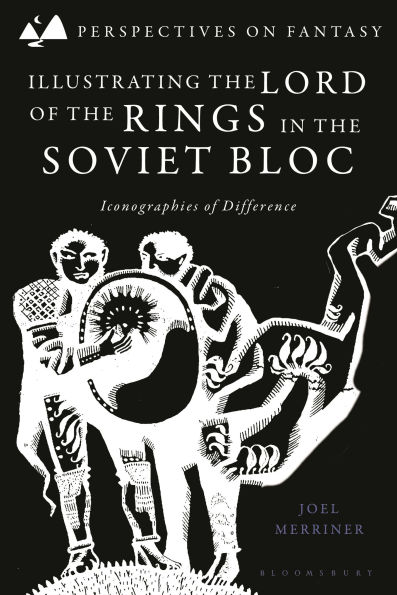
Illustrating the Lord of Rings Soviet Bloc: Iconographies Difference in Franklin, TN
Current price: $115.00
Barnes and Noble
Illustrating the Lord of Rings Soviet Bloc: Iconographies Difference in Franklin, TN
Current price: $115.00
Loading Inventory...
Size: Hardcover
A comprehensive history and analysis of the Soviet illustrated editions of
The Lord of the Rings
published between 1981 and 1993, this book explores the production and reception of these works against a backdrop of oppressive state censorship, restrictive publishing practices and logistical struggles of translating such long texts.
Highlighting the intense creativity, innovation and resourcefulness of illustrators from the USSR,
Illustrating
in the Soviet Bloc
demonstrates how new forms of Tolkienian imagery reforged Western fantasy artwork and brought fresh iconographical diversity to late 20thcentury fantasy visuals. In employing comparative analysis to reconcile the neglected Soviet illustrations with their popular Western equivalents, the book situates both pictorial traditions within the wider cultural and political contexts of the period and reflects upon their relevance to current debates regarding visual heterogeneity in fantasy.
Carefully reconstructing the diverse Middleearth visions of illustrators such as
Gyozo
Vida, Jerzy Czerniawski, Yassen Panov, Alexander Korotich, Èduard Zarjanskij, Denis Gordeev and Sergei Iukhimov,
broadens notions of how Tolkien's work was received beyond Anglocentric, Western audiences. A vivid record of artistic reception and the permeability of cultural boundaries during the final years of Communist rule, author Joel Merriner offers an art historian's analysis of these illustrations of Tolkien's beloved work and sheds new light on the role of visual art in shaping cultural content.
The Lord of the Rings
published between 1981 and 1993, this book explores the production and reception of these works against a backdrop of oppressive state censorship, restrictive publishing practices and logistical struggles of translating such long texts.
Highlighting the intense creativity, innovation and resourcefulness of illustrators from the USSR,
Illustrating
in the Soviet Bloc
demonstrates how new forms of Tolkienian imagery reforged Western fantasy artwork and brought fresh iconographical diversity to late 20thcentury fantasy visuals. In employing comparative analysis to reconcile the neglected Soviet illustrations with their popular Western equivalents, the book situates both pictorial traditions within the wider cultural and political contexts of the period and reflects upon their relevance to current debates regarding visual heterogeneity in fantasy.
Carefully reconstructing the diverse Middleearth visions of illustrators such as
Gyozo
Vida, Jerzy Czerniawski, Yassen Panov, Alexander Korotich, Èduard Zarjanskij, Denis Gordeev and Sergei Iukhimov,
broadens notions of how Tolkien's work was received beyond Anglocentric, Western audiences. A vivid record of artistic reception and the permeability of cultural boundaries during the final years of Communist rule, author Joel Merriner offers an art historian's analysis of these illustrations of Tolkien's beloved work and sheds new light on the role of visual art in shaping cultural content.
A comprehensive history and analysis of the Soviet illustrated editions of
The Lord of the Rings
published between 1981 and 1993, this book explores the production and reception of these works against a backdrop of oppressive state censorship, restrictive publishing practices and logistical struggles of translating such long texts.
Highlighting the intense creativity, innovation and resourcefulness of illustrators from the USSR,
Illustrating
in the Soviet Bloc
demonstrates how new forms of Tolkienian imagery reforged Western fantasy artwork and brought fresh iconographical diversity to late 20thcentury fantasy visuals. In employing comparative analysis to reconcile the neglected Soviet illustrations with their popular Western equivalents, the book situates both pictorial traditions within the wider cultural and political contexts of the period and reflects upon their relevance to current debates regarding visual heterogeneity in fantasy.
Carefully reconstructing the diverse Middleearth visions of illustrators such as
Gyozo
Vida, Jerzy Czerniawski, Yassen Panov, Alexander Korotich, Èduard Zarjanskij, Denis Gordeev and Sergei Iukhimov,
broadens notions of how Tolkien's work was received beyond Anglocentric, Western audiences. A vivid record of artistic reception and the permeability of cultural boundaries during the final years of Communist rule, author Joel Merriner offers an art historian's analysis of these illustrations of Tolkien's beloved work and sheds new light on the role of visual art in shaping cultural content.
The Lord of the Rings
published between 1981 and 1993, this book explores the production and reception of these works against a backdrop of oppressive state censorship, restrictive publishing practices and logistical struggles of translating such long texts.
Highlighting the intense creativity, innovation and resourcefulness of illustrators from the USSR,
Illustrating
in the Soviet Bloc
demonstrates how new forms of Tolkienian imagery reforged Western fantasy artwork and brought fresh iconographical diversity to late 20thcentury fantasy visuals. In employing comparative analysis to reconcile the neglected Soviet illustrations with their popular Western equivalents, the book situates both pictorial traditions within the wider cultural and political contexts of the period and reflects upon their relevance to current debates regarding visual heterogeneity in fantasy.
Carefully reconstructing the diverse Middleearth visions of illustrators such as
Gyozo
Vida, Jerzy Czerniawski, Yassen Panov, Alexander Korotich, Èduard Zarjanskij, Denis Gordeev and Sergei Iukhimov,
broadens notions of how Tolkien's work was received beyond Anglocentric, Western audiences. A vivid record of artistic reception and the permeability of cultural boundaries during the final years of Communist rule, author Joel Merriner offers an art historian's analysis of these illustrations of Tolkien's beloved work and sheds new light on the role of visual art in shaping cultural content.
You May Also Like










More About Barnes and Noble at CoolSprings Galleria
Barnes & Noble is the world’s largest retail bookseller and a leading retailer of content, digital media and educational products. Our Nook Digital business offers a lineup of NOOK® tablets and e-Readers and an expansive collection of digital reading content through the NOOK Store®. Barnes & Noble’s mission is to operate the best omni-channel specialty retail business in America, helping both our customers and booksellers reach their aspirations, while being a credit to the communities we serve.
1800 Galleria Blvd #1310, Franklin, TN 37067, United States
Find Barnes and Noble at CoolSprings Galleria in Franklin, TN
Visit Barnes and Noble at CoolSprings Galleria in Franklin, TN
