
Home
Implementing Trauma-Informed Pedagogies for School Change: Shifting Schools from Reactive to Proactive
Barnes and Noble
Loading Inventory...
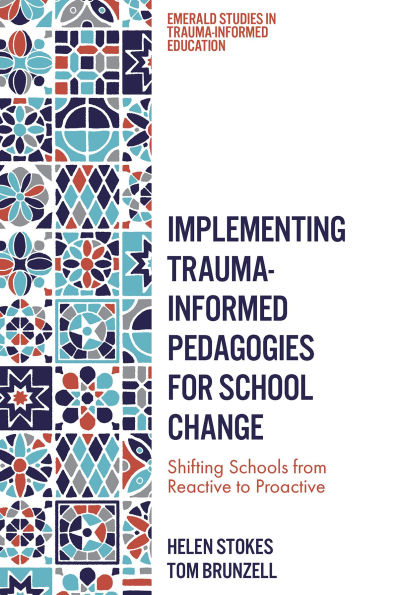
Implementing Trauma-Informed Pedagogies for School Change: Shifting Schools from Reactive to Proactive in Franklin, TN
Current price: $60.00
Barnes and Noble
Implementing Trauma-Informed Pedagogies for School Change: Shifting Schools from Reactive to Proactive in Franklin, TN
Current price: $60.00
Loading Inventory...
Size: Hardcover
The area of traumainformed positive education (TIPE) is a recently emerging field in educational studies. Schools serving communities contending with educational inequity have many students identified as traumaaffected, with significant unmet learning and social emotional needs.
This groundbreaking study and first book in the
Emerald Studies in TraumaInformed Education
series is the first longitudinal research in trauma informed positive education, and the first research to link the professional learning and ongoing implementation of TIPE pedagogical practices to changed student perceptions of school and collective teacher efficacy over a fouryear period.
Providing examples of how schools implement TIPE and using case studies from two schools that were experiencing difficulty with their delivery of learning and wellbeing outcomes for students, the authors explore how implementing TIPE pedagogical practices can bring about school change. There is a focus on student wellbeing, collective teacher efficacy and assisting students to be ready to learn. The case studies that are explored will be of interest to school practitioners and system leaders working with students who are are not yet ready to learn and disengaged from school.
This groundbreaking study and first book in the
Emerald Studies in TraumaInformed Education
series is the first longitudinal research in trauma informed positive education, and the first research to link the professional learning and ongoing implementation of TIPE pedagogical practices to changed student perceptions of school and collective teacher efficacy over a fouryear period.
Providing examples of how schools implement TIPE and using case studies from two schools that were experiencing difficulty with their delivery of learning and wellbeing outcomes for students, the authors explore how implementing TIPE pedagogical practices can bring about school change. There is a focus on student wellbeing, collective teacher efficacy and assisting students to be ready to learn. The case studies that are explored will be of interest to school practitioners and system leaders working with students who are are not yet ready to learn and disengaged from school.
The area of traumainformed positive education (TIPE) is a recently emerging field in educational studies. Schools serving communities contending with educational inequity have many students identified as traumaaffected, with significant unmet learning and social emotional needs.
This groundbreaking study and first book in the
Emerald Studies in TraumaInformed Education
series is the first longitudinal research in trauma informed positive education, and the first research to link the professional learning and ongoing implementation of TIPE pedagogical practices to changed student perceptions of school and collective teacher efficacy over a fouryear period.
Providing examples of how schools implement TIPE and using case studies from two schools that were experiencing difficulty with their delivery of learning and wellbeing outcomes for students, the authors explore how implementing TIPE pedagogical practices can bring about school change. There is a focus on student wellbeing, collective teacher efficacy and assisting students to be ready to learn. The case studies that are explored will be of interest to school practitioners and system leaders working with students who are are not yet ready to learn and disengaged from school.
This groundbreaking study and first book in the
Emerald Studies in TraumaInformed Education
series is the first longitudinal research in trauma informed positive education, and the first research to link the professional learning and ongoing implementation of TIPE pedagogical practices to changed student perceptions of school and collective teacher efficacy over a fouryear period.
Providing examples of how schools implement TIPE and using case studies from two schools that were experiencing difficulty with their delivery of learning and wellbeing outcomes for students, the authors explore how implementing TIPE pedagogical practices can bring about school change. There is a focus on student wellbeing, collective teacher efficacy and assisting students to be ready to learn. The case studies that are explored will be of interest to school practitioners and system leaders working with students who are are not yet ready to learn and disengaged from school.
You May Also Like












More About Barnes and Noble at CoolSprings Galleria
Barnes & Noble is the world’s largest retail bookseller and a leading retailer of content, digital media and educational products. Our Nook Digital business offers a lineup of NOOK® tablets and e-Readers and an expansive collection of digital reading content through the NOOK Store®. Barnes & Noble’s mission is to operate the best omni-channel specialty retail business in America, helping both our customers and booksellers reach their aspirations, while being a credit to the communities we serve.
1800 Galleria Blvd #1310, Franklin, TN 37067, United States
Find Barnes and Noble at CoolSprings Galleria in Franklin, TN
Visit Barnes and Noble at CoolSprings Galleria in Franklin, TN
