
Home
Italian Courts and European Culture
Barnes and Noble
Loading Inventory...
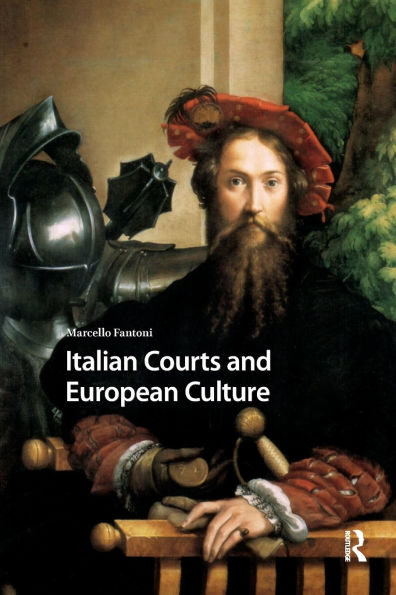
Italian Courts and European Culture in Franklin, TN
Current price: $140.00
Barnes and Noble
Italian Courts and European Culture in Franklin, TN
Current price: $140.00
Loading Inventory...
Size: Hardcover
Between the fifteenth and the eighteenth century, princely courts dominated the Italian political scene. These courts were effervescent centers of cultural production. As such, they became a model for European monarchies who imported Italian courtly
forma del vivere
(‘style of life’) to legitimize their power and to define social status. This phenomenon included architecture and painting, theater and music, manners and aesthetics, and all the objects, behaviors and beliefs that contributed to homogenize European culture in the age of the Old Regime. It involved a hemorrhage of art and a continuous circulation of people, texts and symbols. The foundational material for this process was classicism and its purpose was political. This delineates a new geography and chronology of a truly European cultural history. It also provides the key traits for the European cultural identity. This book offers a comprehensive reconstruction of the Italian geo-political map focused on courts (thirteenth - seventeenth centuries) and analyses the homogeneity of political forms and of the Italian Christian-Classicist culture.
forma del vivere
(‘style of life’) to legitimize their power and to define social status. This phenomenon included architecture and painting, theater and music, manners and aesthetics, and all the objects, behaviors and beliefs that contributed to homogenize European culture in the age of the Old Regime. It involved a hemorrhage of art and a continuous circulation of people, texts and symbols. The foundational material for this process was classicism and its purpose was political. This delineates a new geography and chronology of a truly European cultural history. It also provides the key traits for the European cultural identity. This book offers a comprehensive reconstruction of the Italian geo-political map focused on courts (thirteenth - seventeenth centuries) and analyses the homogeneity of political forms and of the Italian Christian-Classicist culture.
Between the fifteenth and the eighteenth century, princely courts dominated the Italian political scene. These courts were effervescent centers of cultural production. As such, they became a model for European monarchies who imported Italian courtly
forma del vivere
(‘style of life’) to legitimize their power and to define social status. This phenomenon included architecture and painting, theater and music, manners and aesthetics, and all the objects, behaviors and beliefs that contributed to homogenize European culture in the age of the Old Regime. It involved a hemorrhage of art and a continuous circulation of people, texts and symbols. The foundational material for this process was classicism and its purpose was political. This delineates a new geography and chronology of a truly European cultural history. It also provides the key traits for the European cultural identity. This book offers a comprehensive reconstruction of the Italian geo-political map focused on courts (thirteenth - seventeenth centuries) and analyses the homogeneity of political forms and of the Italian Christian-Classicist culture.
forma del vivere
(‘style of life’) to legitimize their power and to define social status. This phenomenon included architecture and painting, theater and music, manners and aesthetics, and all the objects, behaviors and beliefs that contributed to homogenize European culture in the age of the Old Regime. It involved a hemorrhage of art and a continuous circulation of people, texts and symbols. The foundational material for this process was classicism and its purpose was political. This delineates a new geography and chronology of a truly European cultural history. It also provides the key traits for the European cultural identity. This book offers a comprehensive reconstruction of the Italian geo-political map focused on courts (thirteenth - seventeenth centuries) and analyses the homogeneity of political forms and of the Italian Christian-Classicist culture.
You May Also Like








More About Barnes and Noble at CoolSprings Galleria
Barnes & Noble is the world’s largest retail bookseller and a leading retailer of content, digital media and educational products. Our Nook Digital business offers a lineup of NOOK® tablets and e-Readers and an expansive collection of digital reading content through the NOOK Store®. Barnes & Noble’s mission is to operate the best omni-channel specialty retail business in America, helping both our customers and booksellers reach their aspirations, while being a credit to the communities we serve.
1800 Galleria Blvd #1310, Franklin, TN 37067, United States
Find Barnes and Noble at CoolSprings Galleria in Franklin, TN
Visit Barnes and Noble at CoolSprings Galleria in Franklin, TN