
Home
Killester Garden Village: The Lives of Great War Veterans and Their Families
Barnes and Noble
Loading Inventory...
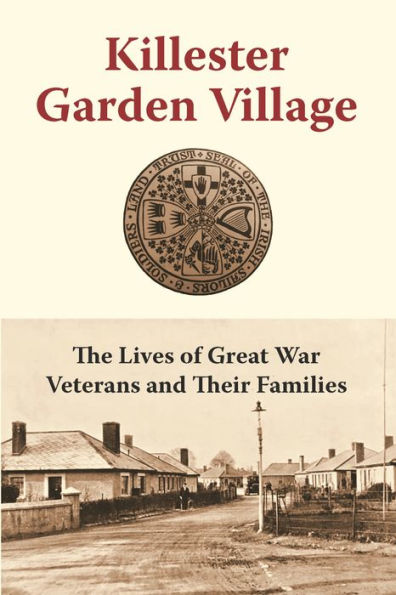
Killester Garden Village: The Lives of Great War Veterans and Their Families in Franklin, TN
Current price: $35.00
Barnes and Noble
Killester Garden Village: The Lives of Great War Veterans and Their Families in Franklin, TN
Current price: $35.00
Loading Inventory...
Size: OS
One hundred years ago this year, the largest Irish WWI exservicemen housing estate on the island of Ireland was completed, the Killester Garden Village. Comprising 247 bungalows, it was the flagship estate for returning Irishmen from what some dubbed ‘the war to end all wars’.
So who were those men who lived in Killester Garden Village? In their midtwenties, more than likely poor, living in tenements or urban dwellings, unskilled or working as casual laborers, they enlisted in the British forces at the outbreak of WWI. Then, having survived the terror of that war, they came home to a hostile Ireland that had politically changed in their absence.
In fact, the Irish men and women who served in the British forces during WWI came home to a different country. During their absence in the battlefields of France, Flanders and Gallipoli, a terrible beauty had been born. And during the ensuing War of Independence, Irish exservicemen had to keep their heads down. Of the 196 civilians killed by the IRA between 1919 and 1921 for alleged spying activities for the British forces, between 100 and 120 were exservicemen.
Possibly even worse, as the Irish exservice men and women died off years later, so too did their place in the narrative of modern Irish history. They were largely forgotten.
But now, in this brilliantly researched book, profiles of 300 of these brave Irish men and women bring them back to life so that their stories can finally be told.
So who were those men who lived in Killester Garden Village? In their midtwenties, more than likely poor, living in tenements or urban dwellings, unskilled or working as casual laborers, they enlisted in the British forces at the outbreak of WWI. Then, having survived the terror of that war, they came home to a hostile Ireland that had politically changed in their absence.
In fact, the Irish men and women who served in the British forces during WWI came home to a different country. During their absence in the battlefields of France, Flanders and Gallipoli, a terrible beauty had been born. And during the ensuing War of Independence, Irish exservicemen had to keep their heads down. Of the 196 civilians killed by the IRA between 1919 and 1921 for alleged spying activities for the British forces, between 100 and 120 were exservicemen.
Possibly even worse, as the Irish exservice men and women died off years later, so too did their place in the narrative of modern Irish history. They were largely forgotten.
But now, in this brilliantly researched book, profiles of 300 of these brave Irish men and women bring them back to life so that their stories can finally be told.
One hundred years ago this year, the largest Irish WWI exservicemen housing estate on the island of Ireland was completed, the Killester Garden Village. Comprising 247 bungalows, it was the flagship estate for returning Irishmen from what some dubbed ‘the war to end all wars’.
So who were those men who lived in Killester Garden Village? In their midtwenties, more than likely poor, living in tenements or urban dwellings, unskilled or working as casual laborers, they enlisted in the British forces at the outbreak of WWI. Then, having survived the terror of that war, they came home to a hostile Ireland that had politically changed in their absence.
In fact, the Irish men and women who served in the British forces during WWI came home to a different country. During their absence in the battlefields of France, Flanders and Gallipoli, a terrible beauty had been born. And during the ensuing War of Independence, Irish exservicemen had to keep their heads down. Of the 196 civilians killed by the IRA between 1919 and 1921 for alleged spying activities for the British forces, between 100 and 120 were exservicemen.
Possibly even worse, as the Irish exservice men and women died off years later, so too did their place in the narrative of modern Irish history. They were largely forgotten.
But now, in this brilliantly researched book, profiles of 300 of these brave Irish men and women bring them back to life so that their stories can finally be told.
So who were those men who lived in Killester Garden Village? In their midtwenties, more than likely poor, living in tenements or urban dwellings, unskilled or working as casual laborers, they enlisted in the British forces at the outbreak of WWI. Then, having survived the terror of that war, they came home to a hostile Ireland that had politically changed in their absence.
In fact, the Irish men and women who served in the British forces during WWI came home to a different country. During their absence in the battlefields of France, Flanders and Gallipoli, a terrible beauty had been born. And during the ensuing War of Independence, Irish exservicemen had to keep their heads down. Of the 196 civilians killed by the IRA between 1919 and 1921 for alleged spying activities for the British forces, between 100 and 120 were exservicemen.
Possibly even worse, as the Irish exservice men and women died off years later, so too did their place in the narrative of modern Irish history. They were largely forgotten.
But now, in this brilliantly researched book, profiles of 300 of these brave Irish men and women bring them back to life so that their stories can finally be told.
You May Also Like










More About Barnes and Noble at CoolSprings Galleria
Barnes & Noble is the world’s largest retail bookseller and a leading retailer of content, digital media and educational products. Our Nook Digital business offers a lineup of NOOK® tablets and e-Readers and an expansive collection of digital reading content through the NOOK Store®. Barnes & Noble’s mission is to operate the best omni-channel specialty retail business in America, helping both our customers and booksellers reach their aspirations, while being a credit to the communities we serve.
1800 Galleria Blvd #1310, Franklin, TN 37067, United States
Find Barnes and Noble at CoolSprings Galleria in Franklin, TN
Visit Barnes and Noble at CoolSprings Galleria in Franklin, TN