
Home
Klimt
Barnes and Noble
Loading Inventory...
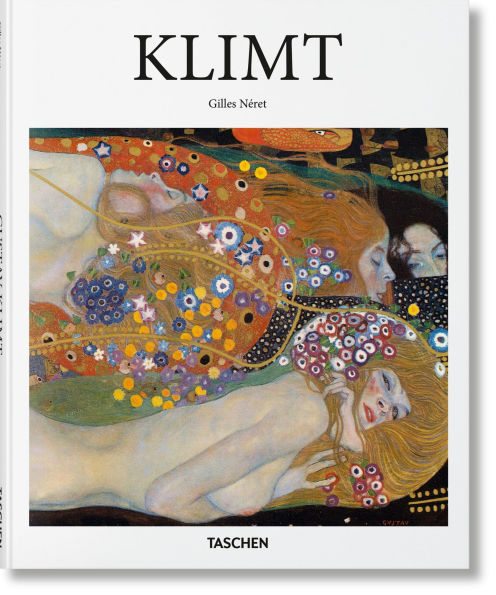
Klimt in Franklin, TN
Current price: $20.00
Barnes and Noble
Klimt in Franklin, TN
Current price: $20.00
Loading Inventory...
Size: OS
The unfading popularity of
Gustav Klimt (1862–1918)
attests not only to the particular appeal of his luxuriant painting but also to the universal themes with which he worked:
love, feminine beauty, aging, and death
.
The son of a goldsmith, Klimt created surfaces of ornate and jewellike luminosity which show the influence of both Egyptian and Japanese art. Through paintings, murals, and friezes, his work is defined by
radiant color, fluid lines, floral elements, and mosaiclike patterning
With subjects ranging from sensuality and desire to anxiety and despair, all this iridescence is also suffused with feeling. Klimt’s numerous images of women, characterized by
curvaceous forms, tender flesh, red lips, and flushed cheeks
, were particularly charged with passion, at a time when such frank eroticism was still taboo in Viennese uppermiddleclass society.
This book presents a selection of Klimt’s work, introducing his pictorial world of decoration and desire, as well as his influence on artists to come.
Gustav Klimt (1862–1918)
attests not only to the particular appeal of his luxuriant painting but also to the universal themes with which he worked:
love, feminine beauty, aging, and death
.
The son of a goldsmith, Klimt created surfaces of ornate and jewellike luminosity which show the influence of both Egyptian and Japanese art. Through paintings, murals, and friezes, his work is defined by
radiant color, fluid lines, floral elements, and mosaiclike patterning
With subjects ranging from sensuality and desire to anxiety and despair, all this iridescence is also suffused with feeling. Klimt’s numerous images of women, characterized by
curvaceous forms, tender flesh, red lips, and flushed cheeks
, were particularly charged with passion, at a time when such frank eroticism was still taboo in Viennese uppermiddleclass society.
This book presents a selection of Klimt’s work, introducing his pictorial world of decoration and desire, as well as his influence on artists to come.
The unfading popularity of
Gustav Klimt (1862–1918)
attests not only to the particular appeal of his luxuriant painting but also to the universal themes with which he worked:
love, feminine beauty, aging, and death
.
The son of a goldsmith, Klimt created surfaces of ornate and jewellike luminosity which show the influence of both Egyptian and Japanese art. Through paintings, murals, and friezes, his work is defined by
radiant color, fluid lines, floral elements, and mosaiclike patterning
With subjects ranging from sensuality and desire to anxiety and despair, all this iridescence is also suffused with feeling. Klimt’s numerous images of women, characterized by
curvaceous forms, tender flesh, red lips, and flushed cheeks
, were particularly charged with passion, at a time when such frank eroticism was still taboo in Viennese uppermiddleclass society.
This book presents a selection of Klimt’s work, introducing his pictorial world of decoration and desire, as well as his influence on artists to come.
Gustav Klimt (1862–1918)
attests not only to the particular appeal of his luxuriant painting but also to the universal themes with which he worked:
love, feminine beauty, aging, and death
.
The son of a goldsmith, Klimt created surfaces of ornate and jewellike luminosity which show the influence of both Egyptian and Japanese art. Through paintings, murals, and friezes, his work is defined by
radiant color, fluid lines, floral elements, and mosaiclike patterning
With subjects ranging from sensuality and desire to anxiety and despair, all this iridescence is also suffused with feeling. Klimt’s numerous images of women, characterized by
curvaceous forms, tender flesh, red lips, and flushed cheeks
, were particularly charged with passion, at a time when such frank eroticism was still taboo in Viennese uppermiddleclass society.
This book presents a selection of Klimt’s work, introducing his pictorial world of decoration and desire, as well as his influence on artists to come.
You May Also Like













More About Barnes and Noble at CoolSprings Galleria
Barnes & Noble is the world’s largest retail bookseller and a leading retailer of content, digital media and educational products. Our Nook Digital business offers a lineup of NOOK® tablets and e-Readers and an expansive collection of digital reading content through the NOOK Store®. Barnes & Noble’s mission is to operate the best omni-channel specialty retail business in America, helping both our customers and booksellers reach their aspirations, while being a credit to the communities we serve.
1800 Galleria Blvd #1310, Franklin, TN 37067, United States
Find Barnes and Noble at CoolSprings Galleria in Franklin, TN
Visit Barnes and Noble at CoolSprings Galleria in Franklin, TN