
Home
Koolhaas. Countryside, A Report
Barnes and Noble
Loading Inventory...
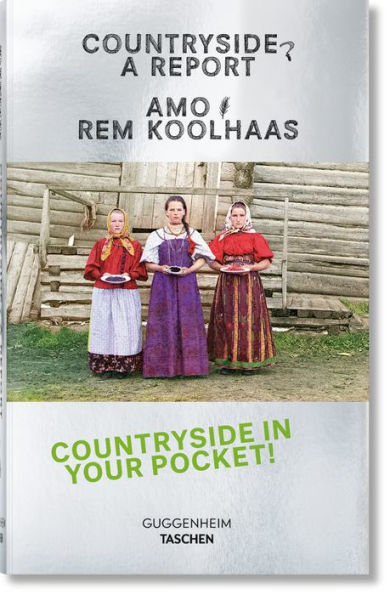


Koolhaas. Countryside, A Report in Franklin, TN
Current price: $25.00
Barnes and Noble
Koolhaas. Countryside, A Report in Franklin, TN
Current price: $25.00
Loading Inventory...
Size: OS
The rural, remote, and wild territories we call “countryside”, or the
98% of the earth’s surface not occupied by cities
, make up the front line where today’s most powerful forces—
climate and ecological devastation, migration, tech, demographic lurches
—are playing out. Increasingly under a ‘Cartesian’ regime—gridded, mechanized, and optimized for maximal production—these sites are changing beyond recognition. In his latest publication,
Rem Koolhaas explores the rapid and often hidden transformations underway across the Earth’s vast non-urban areas.
Countryside, A Report
gathers travelogue essays exploring territories marked by global forces and
experimentation at the edge of our consciousness
: a test site near
Fukushima
, where the robots that will maintain Japan’s infrastructure and agriculture are tested; a greenhouse city in
the Netherlands
that may be the origin for the cosmology of today’s countryside; the rapidly thawing permafrost of
Central Siberia
, a region wrestling with the possibility of relocation; refugees populating dying villages in the
German
countryside and intersecting with climate change activists; habituated mountain gorillas confronting humans on ‘their’ territory in
Uganda
; the
American Midwest
, where industrial-scale farming operations are coming to grips with regenerative agriculture; and
Chinese villages
transformed into all-in-one factory, e-commerce stores, and fulfillment centers.
This book is
the official companion to the Guggenheim Museum exhibition
Countryside, The Future
. The exhibition and book mark
a new area of investigation
for architect and urbanist Rem Koolhaas
, who launched his career with two city-centric entities:
The Office for Metropolitan Architecture
(1975) and
Delirious New York
(1978). It’s designed by
Irma Boom
, who drew inspiration for the book’s pocket-sized concept, as well as its innovative typography and layout, from her research in the Vatican library.
The book brings together collaborative research by
AMO
,
Koolhaas
, and students at the
Harvard Graduate School of Design
Central Academy of Fine Arts, Beijing
;
Wageningen Universityin the Netherlands
; and the
University of Nairobi
. Contributors also include
Samir Bantal, Janna Bystrykh, Troy Conrad Therrien, Lenora Ditzler, Clemens Driessen, Alexandra Kharitonova, Keigo Kobayashi, Niklas Maak, Etta Madete, Federico Martelli, Ingo Niermann, Dr. Linda Nkatha Gichuyia
, Kayoko Ota, Stephan Petermann
, and
Anne M. Schneider
.
98% of the earth’s surface not occupied by cities
, make up the front line where today’s most powerful forces—
climate and ecological devastation, migration, tech, demographic lurches
—are playing out. Increasingly under a ‘Cartesian’ regime—gridded, mechanized, and optimized for maximal production—these sites are changing beyond recognition. In his latest publication,
Rem Koolhaas explores the rapid and often hidden transformations underway across the Earth’s vast non-urban areas.
Countryside, A Report
gathers travelogue essays exploring territories marked by global forces and
experimentation at the edge of our consciousness
: a test site near
Fukushima
, where the robots that will maintain Japan’s infrastructure and agriculture are tested; a greenhouse city in
the Netherlands
that may be the origin for the cosmology of today’s countryside; the rapidly thawing permafrost of
Central Siberia
, a region wrestling with the possibility of relocation; refugees populating dying villages in the
German
countryside and intersecting with climate change activists; habituated mountain gorillas confronting humans on ‘their’ territory in
Uganda
; the
American Midwest
, where industrial-scale farming operations are coming to grips with regenerative agriculture; and
Chinese villages
transformed into all-in-one factory, e-commerce stores, and fulfillment centers.
This book is
the official companion to the Guggenheim Museum exhibition
Countryside, The Future
. The exhibition and book mark
a new area of investigation
for architect and urbanist Rem Koolhaas
, who launched his career with two city-centric entities:
The Office for Metropolitan Architecture
(1975) and
Delirious New York
(1978). It’s designed by
Irma Boom
, who drew inspiration for the book’s pocket-sized concept, as well as its innovative typography and layout, from her research in the Vatican library.
The book brings together collaborative research by
AMO
,
Koolhaas
, and students at the
Harvard Graduate School of Design
Central Academy of Fine Arts, Beijing
;
Wageningen Universityin the Netherlands
; and the
University of Nairobi
. Contributors also include
Samir Bantal, Janna Bystrykh, Troy Conrad Therrien, Lenora Ditzler, Clemens Driessen, Alexandra Kharitonova, Keigo Kobayashi, Niklas Maak, Etta Madete, Federico Martelli, Ingo Niermann, Dr. Linda Nkatha Gichuyia
, Kayoko Ota, Stephan Petermann
, and
Anne M. Schneider
.
The rural, remote, and wild territories we call “countryside”, or the
98% of the earth’s surface not occupied by cities
, make up the front line where today’s most powerful forces—
climate and ecological devastation, migration, tech, demographic lurches
—are playing out. Increasingly under a ‘Cartesian’ regime—gridded, mechanized, and optimized for maximal production—these sites are changing beyond recognition. In his latest publication,
Rem Koolhaas explores the rapid and often hidden transformations underway across the Earth’s vast non-urban areas.
Countryside, A Report
gathers travelogue essays exploring territories marked by global forces and
experimentation at the edge of our consciousness
: a test site near
Fukushima
, where the robots that will maintain Japan’s infrastructure and agriculture are tested; a greenhouse city in
the Netherlands
that may be the origin for the cosmology of today’s countryside; the rapidly thawing permafrost of
Central Siberia
, a region wrestling with the possibility of relocation; refugees populating dying villages in the
German
countryside and intersecting with climate change activists; habituated mountain gorillas confronting humans on ‘their’ territory in
Uganda
; the
American Midwest
, where industrial-scale farming operations are coming to grips with regenerative agriculture; and
Chinese villages
transformed into all-in-one factory, e-commerce stores, and fulfillment centers.
This book is
the official companion to the Guggenheim Museum exhibition
Countryside, The Future
. The exhibition and book mark
a new area of investigation
for architect and urbanist Rem Koolhaas
, who launched his career with two city-centric entities:
The Office for Metropolitan Architecture
(1975) and
Delirious New York
(1978). It’s designed by
Irma Boom
, who drew inspiration for the book’s pocket-sized concept, as well as its innovative typography and layout, from her research in the Vatican library.
The book brings together collaborative research by
AMO
,
Koolhaas
, and students at the
Harvard Graduate School of Design
Central Academy of Fine Arts, Beijing
;
Wageningen Universityin the Netherlands
; and the
University of Nairobi
. Contributors also include
Samir Bantal, Janna Bystrykh, Troy Conrad Therrien, Lenora Ditzler, Clemens Driessen, Alexandra Kharitonova, Keigo Kobayashi, Niklas Maak, Etta Madete, Federico Martelli, Ingo Niermann, Dr. Linda Nkatha Gichuyia
, Kayoko Ota, Stephan Petermann
, and
Anne M. Schneider
.
98% of the earth’s surface not occupied by cities
, make up the front line where today’s most powerful forces—
climate and ecological devastation, migration, tech, demographic lurches
—are playing out. Increasingly under a ‘Cartesian’ regime—gridded, mechanized, and optimized for maximal production—these sites are changing beyond recognition. In his latest publication,
Rem Koolhaas explores the rapid and often hidden transformations underway across the Earth’s vast non-urban areas.
Countryside, A Report
gathers travelogue essays exploring territories marked by global forces and
experimentation at the edge of our consciousness
: a test site near
Fukushima
, where the robots that will maintain Japan’s infrastructure and agriculture are tested; a greenhouse city in
the Netherlands
that may be the origin for the cosmology of today’s countryside; the rapidly thawing permafrost of
Central Siberia
, a region wrestling with the possibility of relocation; refugees populating dying villages in the
German
countryside and intersecting with climate change activists; habituated mountain gorillas confronting humans on ‘their’ territory in
Uganda
; the
American Midwest
, where industrial-scale farming operations are coming to grips with regenerative agriculture; and
Chinese villages
transformed into all-in-one factory, e-commerce stores, and fulfillment centers.
This book is
the official companion to the Guggenheim Museum exhibition
Countryside, The Future
. The exhibition and book mark
a new area of investigation
for architect and urbanist Rem Koolhaas
, who launched his career with two city-centric entities:
The Office for Metropolitan Architecture
(1975) and
Delirious New York
(1978). It’s designed by
Irma Boom
, who drew inspiration for the book’s pocket-sized concept, as well as its innovative typography and layout, from her research in the Vatican library.
The book brings together collaborative research by
AMO
,
Koolhaas
, and students at the
Harvard Graduate School of Design
Central Academy of Fine Arts, Beijing
;
Wageningen Universityin the Netherlands
; and the
University of Nairobi
. Contributors also include
Samir Bantal, Janna Bystrykh, Troy Conrad Therrien, Lenora Ditzler, Clemens Driessen, Alexandra Kharitonova, Keigo Kobayashi, Niklas Maak, Etta Madete, Federico Martelli, Ingo Niermann, Dr. Linda Nkatha Gichuyia
, Kayoko Ota, Stephan Petermann
, and
Anne M. Schneider
.
You May Also Like












More About Barnes and Noble at CoolSprings Galleria
Barnes & Noble is the world’s largest retail bookseller and a leading retailer of content, digital media and educational products. Our Nook Digital business offers a lineup of NOOK® tablets and e-Readers and an expansive collection of digital reading content through the NOOK Store®. Barnes & Noble’s mission is to operate the best omni-channel specialty retail business in America, helping both our customers and booksellers reach their aspirations, while being a credit to the communities we serve.
1800 Galleria Blvd #1310, Franklin, TN 37067, United States
Find Barnes and Noble at CoolSprings Galleria in Franklin, TN
Visit Barnes and Noble at CoolSprings Galleria in Franklin, TN
