
Home
Landscapes of Genius and the Transatlantic Origins Environmentalism: Nineteenth-Century British American Literary Cultures Nature
Barnes and Noble
Loading Inventory...
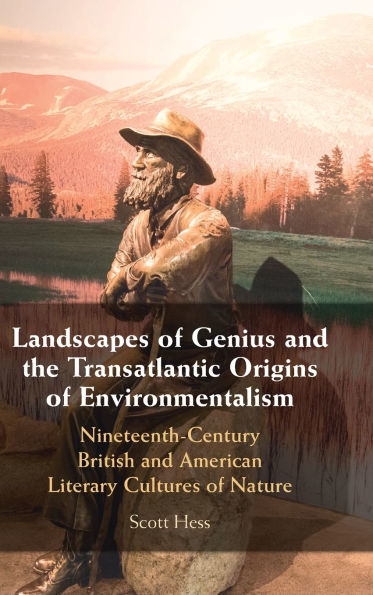
Landscapes of Genius and the Transatlantic Origins Environmentalism: Nineteenth-Century British American Literary Cultures Nature in Franklin, TN
Current price: $120.00
Barnes and Noble
Landscapes of Genius and the Transatlantic Origins Environmentalism: Nineteenth-Century British American Literary Cultures Nature in Franklin, TN
Current price: $120.00
Loading Inventory...
Size: Hardcover
During the nineteenth century, the idea of 'genius' became associated with natural landscapes on both sides of the Atlantic. Scott D. Hess explores how those associations defined the modern significance of nature and precipitated the emergence of National Parks and the environmental movement. William Wordsworth's identification with the English Lake District, Henry David Thoreau's with Walden, and John Muir's with Yosemite established the paradigm of the 'landscape of genius,' through which authors and landscapes entered the nature-writing canon and national high culture. The book also explores the significance of race, gender, and class for such landscapes, as evidenced in writings by African American author Frederick Douglass; American woman writer Susan Fenimore Cooper; and British laboring-class poets Robert Burns, John Clare, and Ann Yearsley. Fundamentally reshaping how we understand nineteenth-century transatlantic cultures of nature, Hess reveals the ongoing legacy of the landscape of genius for environmental politics today.
During the nineteenth century, the idea of 'genius' became associated with natural landscapes on both sides of the Atlantic. Scott D. Hess explores how those associations defined the modern significance of nature and precipitated the emergence of National Parks and the environmental movement. William Wordsworth's identification with the English Lake District, Henry David Thoreau's with Walden, and John Muir's with Yosemite established the paradigm of the 'landscape of genius,' through which authors and landscapes entered the nature-writing canon and national high culture. The book also explores the significance of race, gender, and class for such landscapes, as evidenced in writings by African American author Frederick Douglass; American woman writer Susan Fenimore Cooper; and British laboring-class poets Robert Burns, John Clare, and Ann Yearsley. Fundamentally reshaping how we understand nineteenth-century transatlantic cultures of nature, Hess reveals the ongoing legacy of the landscape of genius for environmental politics today.
You May Also Like


















More About Barnes and Noble at CoolSprings Galleria
Barnes & Noble is the world’s largest retail bookseller and a leading retailer of content, digital media and educational products. Our Nook Digital business offers a lineup of NOOK® tablets and e-Readers and an expansive collection of digital reading content through the NOOK Store®. Barnes & Noble’s mission is to operate the best omni-channel specialty retail business in America, helping both our customers and booksellers reach their aspirations, while being a credit to the communities we serve.
1800 Galleria Blvd #1310, Franklin, TN 37067, United States
Find Barnes and Noble at CoolSprings Galleria in Franklin, TN
Visit Barnes and Noble at CoolSprings Galleria in Franklin, TN
