
Home
Learn Chinese Satire, Comedy and Humor Stories (Part 5) - Practice Reading Mandarin Textbooks, A Beginners Guide to Ancient Language Culture, Words, Laugh Out Loud with Simple Lessons, Improve Vocabulary, English, Pinyin, Simplified Char
Barnes and Noble
Loading Inventory...
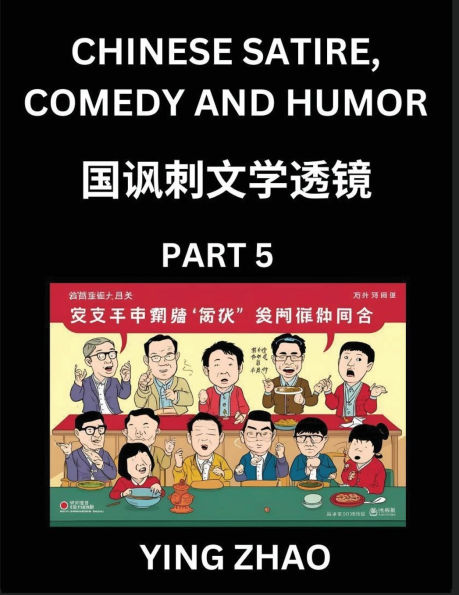
Learn Chinese Satire, Comedy and Humor Stories (Part 5) - Practice Reading Mandarin Textbooks, A Beginners Guide to Ancient Language Culture, Words, Laugh Out Loud with Simple Lessons, Improve Vocabulary, English, Pinyin, Simplified Char in Franklin, TN
Current price: $39.99
Barnes and Noble
Learn Chinese Satire, Comedy and Humor Stories (Part 5) - Practice Reading Mandarin Textbooks, A Beginners Guide to Ancient Language Culture, Words, Laugh Out Loud with Simple Lessons, Improve Vocabulary, English, Pinyin, Simplified Char in Franklin, TN
Current price: $39.99
Loading Inventory...
Size: Hardcover
Welcome to
Navigating Chinese Humor
, a series designed to unravel the wit and wisdom of Chinese satire through engaging tales. From ancient dynasties to modern sketches, satire has long been a mirror reflecting society's quirks, contradictions, and absurdities. Whether lampooning officials, critiquing social norms, or poking fun at human nature, these stories offer both laughter and insight.
What to Expect
Each volume features:
Satirical Stories
: A curated collection of tales spanning centuries, from classical
chuanqi
(传奇) narratives to contemporary
xiangsheng
(相声) routines.
Keywords & Glossary
: Key terms with
Chinese characters
,
pinyin
, and
English translations
(e.g.,
科举
kējǔ
"imperial examination,"
面子
miànzi
"face").
Cultural Context
: Brief annotations to bridge historical and modern references.
Discussion Prompts
: Questions to spark reflection on satire's role in society.
Why Learn Satire?
Satire is more than comedy-it's a tool for social critique and cultural preservation. By decoding its layers, readers will:
Sharpen language skills through context-rich reading.
Gain nuanced cultural understanding (e.g., the art of
mianzi
preservation).
Appreciate humor as a universal yet culturally specific language.
Target Audience
HSK All Levels (Intermediate to advanced Chinese learners).
Educators seeking classroom resources.
Anyone curious about China's rich tradition of wit.
Join the Journey
Whether you're laughing at a corrupt official's comeuppance or nodding at a modern-day
faux pas, let these stories be your guide to the humor that shapes-and challenges-Chinese society.
Navigating Chinese Humor
, a series designed to unravel the wit and wisdom of Chinese satire through engaging tales. From ancient dynasties to modern sketches, satire has long been a mirror reflecting society's quirks, contradictions, and absurdities. Whether lampooning officials, critiquing social norms, or poking fun at human nature, these stories offer both laughter and insight.
What to Expect
Each volume features:
Satirical Stories
: A curated collection of tales spanning centuries, from classical
chuanqi
(传奇) narratives to contemporary
xiangsheng
(相声) routines.
Keywords & Glossary
: Key terms with
Chinese characters
,
pinyin
, and
English translations
(e.g.,
科举
kējǔ
"imperial examination,"
面子
miànzi
"face").
Cultural Context
: Brief annotations to bridge historical and modern references.
Discussion Prompts
: Questions to spark reflection on satire's role in society.
Why Learn Satire?
Satire is more than comedy-it's a tool for social critique and cultural preservation. By decoding its layers, readers will:
Sharpen language skills through context-rich reading.
Gain nuanced cultural understanding (e.g., the art of
mianzi
preservation).
Appreciate humor as a universal yet culturally specific language.
Target Audience
HSK All Levels (Intermediate to advanced Chinese learners).
Educators seeking classroom resources.
Anyone curious about China's rich tradition of wit.
Join the Journey
Whether you're laughing at a corrupt official's comeuppance or nodding at a modern-day
faux pas, let these stories be your guide to the humor that shapes-and challenges-Chinese society.
Welcome to
Navigating Chinese Humor
, a series designed to unravel the wit and wisdom of Chinese satire through engaging tales. From ancient dynasties to modern sketches, satire has long been a mirror reflecting society's quirks, contradictions, and absurdities. Whether lampooning officials, critiquing social norms, or poking fun at human nature, these stories offer both laughter and insight.
What to Expect
Each volume features:
Satirical Stories
: A curated collection of tales spanning centuries, from classical
chuanqi
(传奇) narratives to contemporary
xiangsheng
(相声) routines.
Keywords & Glossary
: Key terms with
Chinese characters
,
pinyin
, and
English translations
(e.g.,
科举
kējǔ
"imperial examination,"
面子
miànzi
"face").
Cultural Context
: Brief annotations to bridge historical and modern references.
Discussion Prompts
: Questions to spark reflection on satire's role in society.
Why Learn Satire?
Satire is more than comedy-it's a tool for social critique and cultural preservation. By decoding its layers, readers will:
Sharpen language skills through context-rich reading.
Gain nuanced cultural understanding (e.g., the art of
mianzi
preservation).
Appreciate humor as a universal yet culturally specific language.
Target Audience
HSK All Levels (Intermediate to advanced Chinese learners).
Educators seeking classroom resources.
Anyone curious about China's rich tradition of wit.
Join the Journey
Whether you're laughing at a corrupt official's comeuppance or nodding at a modern-day
faux pas, let these stories be your guide to the humor that shapes-and challenges-Chinese society.
Navigating Chinese Humor
, a series designed to unravel the wit and wisdom of Chinese satire through engaging tales. From ancient dynasties to modern sketches, satire has long been a mirror reflecting society's quirks, contradictions, and absurdities. Whether lampooning officials, critiquing social norms, or poking fun at human nature, these stories offer both laughter and insight.
What to Expect
Each volume features:
Satirical Stories
: A curated collection of tales spanning centuries, from classical
chuanqi
(传奇) narratives to contemporary
xiangsheng
(相声) routines.
Keywords & Glossary
: Key terms with
Chinese characters
,
pinyin
, and
English translations
(e.g.,
科举
kējǔ
"imperial examination,"
面子
miànzi
"face").
Cultural Context
: Brief annotations to bridge historical and modern references.
Discussion Prompts
: Questions to spark reflection on satire's role in society.
Why Learn Satire?
Satire is more than comedy-it's a tool for social critique and cultural preservation. By decoding its layers, readers will:
Sharpen language skills through context-rich reading.
Gain nuanced cultural understanding (e.g., the art of
mianzi
preservation).
Appreciate humor as a universal yet culturally specific language.
Target Audience
HSK All Levels (Intermediate to advanced Chinese learners).
Educators seeking classroom resources.
Anyone curious about China's rich tradition of wit.
Join the Journey
Whether you're laughing at a corrupt official's comeuppance or nodding at a modern-day
faux pas, let these stories be your guide to the humor that shapes-and challenges-Chinese society.
You May Also Like


















More About Barnes and Noble at CoolSprings Galleria
Barnes & Noble is the world’s largest retail bookseller and a leading retailer of content, digital media and educational products. Our Nook Digital business offers a lineup of NOOK® tablets and e-Readers and an expansive collection of digital reading content through the NOOK Store®. Barnes & Noble’s mission is to operate the best omni-channel specialty retail business in America, helping both our customers and booksellers reach their aspirations, while being a credit to the communities we serve.
1800 Galleria Blvd #1310, Franklin, TN 37067, United States
Find Barnes and Noble at CoolSprings Galleria in Franklin, TN
Visit Barnes and Noble at CoolSprings Galleria in Franklin, TN
