
Home
Ludwig Wittgenstein: Philosophy the Age of Airplanes
Barnes and Noble
Loading Inventory...
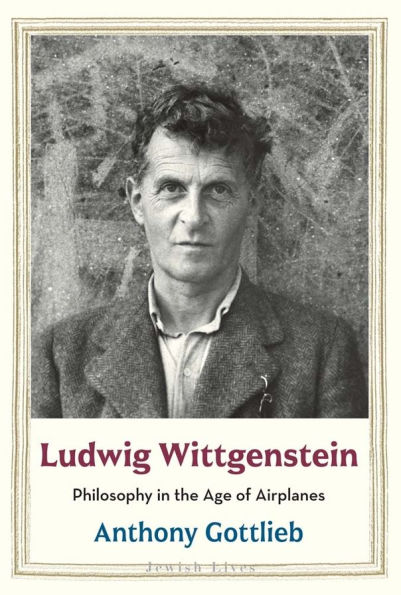
Ludwig Wittgenstein: Philosophy the Age of Airplanes in Franklin, TN
Current price: $39.95
Barnes and Noble
Ludwig Wittgenstein: Philosophy the Age of Airplanes in Franklin, TN
Current price: $39.95
Loading Inventory...
Size: Audio CD
The first biography in more than three decades of the Austrianborn thinker Ludwig Wittgenstein, one of the most influential philosophers of the twentieth century
According to the philosopher Ludwig Wittgenstein (1889–1951), philosophy is a “battle against the bewitchment of our intelligence by means of language.” This audacious idea changed the way many of its practitioners saw their subject. In the first biography of Wittgenstein in more than three decades, Anthony Gottlieb evaluates this revolutionary idea, explaining the evolution of Wittgenstein’s thought and his place in the history of philosophy.
Wittgenstein was born into an immensely rich Viennese family but yearned to live a simple life, and he gave away his inheritance. After studying with Bertrand Russell in Cambridge, he wrote his famous
Tractatus LogicoPhilosophicus
while serving in World War I. He then took several positions as a primaryschool teacher in rural Austria before returning as a fellow to Cambridge, where a cultlike following developed around him. Wittgenstein worked not only as a philosopher and schoolteacher, but also as an aeronautical engineer in Manchester and as an architect in Vienna.
Gottlieb’s meticulously researched book traces the itinerant and troubled life of Wittgenstein, the development of his influential ideas, and the Viennese intellectual milieu and family background that shaped him.
According to the philosopher Ludwig Wittgenstein (1889–1951), philosophy is a “battle against the bewitchment of our intelligence by means of language.” This audacious idea changed the way many of its practitioners saw their subject. In the first biography of Wittgenstein in more than three decades, Anthony Gottlieb evaluates this revolutionary idea, explaining the evolution of Wittgenstein’s thought and his place in the history of philosophy.
Wittgenstein was born into an immensely rich Viennese family but yearned to live a simple life, and he gave away his inheritance. After studying with Bertrand Russell in Cambridge, he wrote his famous
Tractatus LogicoPhilosophicus
while serving in World War I. He then took several positions as a primaryschool teacher in rural Austria before returning as a fellow to Cambridge, where a cultlike following developed around him. Wittgenstein worked not only as a philosopher and schoolteacher, but also as an aeronautical engineer in Manchester and as an architect in Vienna.
Gottlieb’s meticulously researched book traces the itinerant and troubled life of Wittgenstein, the development of his influential ideas, and the Viennese intellectual milieu and family background that shaped him.
The first biography in more than three decades of the Austrianborn thinker Ludwig Wittgenstein, one of the most influential philosophers of the twentieth century
According to the philosopher Ludwig Wittgenstein (1889–1951), philosophy is a “battle against the bewitchment of our intelligence by means of language.” This audacious idea changed the way many of its practitioners saw their subject. In the first biography of Wittgenstein in more than three decades, Anthony Gottlieb evaluates this revolutionary idea, explaining the evolution of Wittgenstein’s thought and his place in the history of philosophy.
Wittgenstein was born into an immensely rich Viennese family but yearned to live a simple life, and he gave away his inheritance. After studying with Bertrand Russell in Cambridge, he wrote his famous
Tractatus LogicoPhilosophicus
while serving in World War I. He then took several positions as a primaryschool teacher in rural Austria before returning as a fellow to Cambridge, where a cultlike following developed around him. Wittgenstein worked not only as a philosopher and schoolteacher, but also as an aeronautical engineer in Manchester and as an architect in Vienna.
Gottlieb’s meticulously researched book traces the itinerant and troubled life of Wittgenstein, the development of his influential ideas, and the Viennese intellectual milieu and family background that shaped him.
According to the philosopher Ludwig Wittgenstein (1889–1951), philosophy is a “battle against the bewitchment of our intelligence by means of language.” This audacious idea changed the way many of its practitioners saw their subject. In the first biography of Wittgenstein in more than three decades, Anthony Gottlieb evaluates this revolutionary idea, explaining the evolution of Wittgenstein’s thought and his place in the history of philosophy.
Wittgenstein was born into an immensely rich Viennese family but yearned to live a simple life, and he gave away his inheritance. After studying with Bertrand Russell in Cambridge, he wrote his famous
Tractatus LogicoPhilosophicus
while serving in World War I. He then took several positions as a primaryschool teacher in rural Austria before returning as a fellow to Cambridge, where a cultlike following developed around him. Wittgenstein worked not only as a philosopher and schoolteacher, but also as an aeronautical engineer in Manchester and as an architect in Vienna.
Gottlieb’s meticulously researched book traces the itinerant and troubled life of Wittgenstein, the development of his influential ideas, and the Viennese intellectual milieu and family background that shaped him.
You May Also Like












More About Barnes and Noble at CoolSprings Galleria
Barnes & Noble is the world’s largest retail bookseller and a leading retailer of content, digital media and educational products. Our Nook Digital business offers a lineup of NOOK® tablets and e-Readers and an expansive collection of digital reading content through the NOOK Store®. Barnes & Noble’s mission is to operate the best omni-channel specialty retail business in America, helping both our customers and booksellers reach their aspirations, while being a credit to the communities we serve.
1800 Galleria Blvd #1310, Franklin, TN 37067, United States
Find Barnes and Noble at CoolSprings Galleria in Franklin, TN
Visit Barnes and Noble at CoolSprings Galleria in Franklin, TN