
Home
Luther's Theology
Barnes and Noble
Loading Inventory...
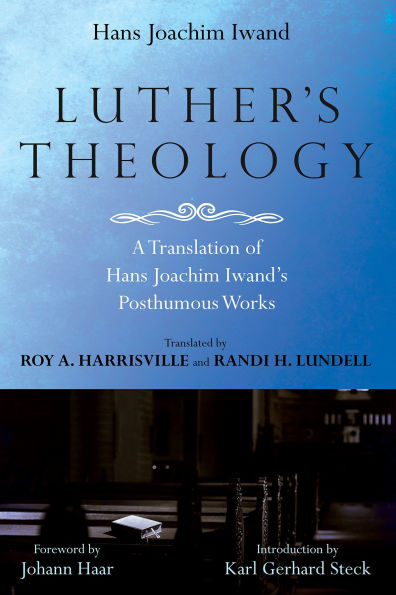
Luther's Theology in Franklin, TN
Current price: $50.00
Barnes and Noble
Luther's Theology in Franklin, TN
Current price: $50.00
Loading Inventory...
Size: Hardcover
This book highlights the writings of the young (or early) Martin Luther, which separates it from other books on Martin Luther's theology. The book sets Luther in radical, at times almost shocking, contrast with theological and philosophical modernity. Reinforced by hundreds of quotations from Luther, what emerges for readers is a revision of age-old and current ideas of Christian faith, into which they are invited. Thus, Catholicism, medieval and modern; Protestantism (according to Iwand, a stimulus to Nazi ideology); Lutheranism, particularly with its staid doctrine of the "Two Kingdoms"; Liberalism, with its personalism and ethics of intention; Pietism, likewise vulnerable to political mishandling; the "Quest of the Historical Jesus" and Existentialism, nourished by Nietzsche and Freudall are subject to confrontation, and in all this readers are directly engaged as if by Luther himself. In the transfer from classroom lecture to the edited and published book, nothing is lost of the original encounter of a master interpreter and student of Luther.
This book highlights the writings of the young (or early) Martin Luther, which separates it from other books on Martin Luther's theology. The book sets Luther in radical, at times almost shocking, contrast with theological and philosophical modernity. Reinforced by hundreds of quotations from Luther, what emerges for readers is a revision of age-old and current ideas of Christian faith, into which they are invited. Thus, Catholicism, medieval and modern; Protestantism (according to Iwand, a stimulus to Nazi ideology); Lutheranism, particularly with its staid doctrine of the "Two Kingdoms"; Liberalism, with its personalism and ethics of intention; Pietism, likewise vulnerable to political mishandling; the "Quest of the Historical Jesus" and Existentialism, nourished by Nietzsche and Freudall are subject to confrontation, and in all this readers are directly engaged as if by Luther himself. In the transfer from classroom lecture to the edited and published book, nothing is lost of the original encounter of a master interpreter and student of Luther.
You May Also Like











More About Barnes and Noble at CoolSprings Galleria
Barnes & Noble is the world’s largest retail bookseller and a leading retailer of content, digital media and educational products. Our Nook Digital business offers a lineup of NOOK® tablets and e-Readers and an expansive collection of digital reading content through the NOOK Store®. Barnes & Noble’s mission is to operate the best omni-channel specialty retail business in America, helping both our customers and booksellers reach their aspirations, while being a credit to the communities we serve.
1800 Galleria Blvd #1310, Franklin, TN 37067, United States
Find Barnes and Noble at CoolSprings Galleria in Franklin, TN
Visit Barnes and Noble at CoolSprings Galleria in Franklin, TN