
Home
Making and Changing Law Small Jurisdictions
Barnes and Noble
Loading Inventory...
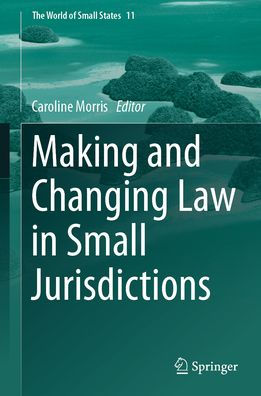
Making and Changing Law Small Jurisdictions in Franklin, TN
Current price: $159.99
Barnes and Noble
Making and Changing Law Small Jurisdictions in Franklin, TN
Current price: $159.99
Loading Inventory...
Size: Hardcover
This book puts the spotlight on a different and neglected aspect of law drafting and reform: the question of size. Specifically, how does the size of a jurisdiction affect its ability to make and change its laws?
Some of the challenges affecting small jurisdictions include: a lack of resources and paucity of policy/drafting capacity; the pressures and pull from sources outside the jurisdiction (e.g. international bodies or NGOs; larger states; treaty commitments); a vulnerability to domestic capture (e.g. criminal elements, big local businesses, strong domestic lobby groups); weak/bad governance (e.g. laws or institutions which themselves do not encourage or promote good governance, reflection and reform); the legacy of colonial legal systems and their interaction with indigenous or customary laws; and struggles to comply with constitutional norms such as accountability and transparency. Despite these difficulties small jurisdictions also have certain advantages when it comes to making and reforming law: they can be flexible and creative; they can legislate very quickly if the political will is there; and there is strong informal/formal accountability in a small jurisdiction.
This edited collection explores law reform and law drafting in small jurisdictions through the themes of sovereignty; the impact of colonialism and legal plurality; the challenges of harmonising laws at regional and international levels; and constitutional reform. Of use to researchers and practitioners alike.
Some of the challenges affecting small jurisdictions include: a lack of resources and paucity of policy/drafting capacity; the pressures and pull from sources outside the jurisdiction (e.g. international bodies or NGOs; larger states; treaty commitments); a vulnerability to domestic capture (e.g. criminal elements, big local businesses, strong domestic lobby groups); weak/bad governance (e.g. laws or institutions which themselves do not encourage or promote good governance, reflection and reform); the legacy of colonial legal systems and their interaction with indigenous or customary laws; and struggles to comply with constitutional norms such as accountability and transparency. Despite these difficulties small jurisdictions also have certain advantages when it comes to making and reforming law: they can be flexible and creative; they can legislate very quickly if the political will is there; and there is strong informal/formal accountability in a small jurisdiction.
This edited collection explores law reform and law drafting in small jurisdictions through the themes of sovereignty; the impact of colonialism and legal plurality; the challenges of harmonising laws at regional and international levels; and constitutional reform. Of use to researchers and practitioners alike.
This book puts the spotlight on a different and neglected aspect of law drafting and reform: the question of size. Specifically, how does the size of a jurisdiction affect its ability to make and change its laws?
Some of the challenges affecting small jurisdictions include: a lack of resources and paucity of policy/drafting capacity; the pressures and pull from sources outside the jurisdiction (e.g. international bodies or NGOs; larger states; treaty commitments); a vulnerability to domestic capture (e.g. criminal elements, big local businesses, strong domestic lobby groups); weak/bad governance (e.g. laws or institutions which themselves do not encourage or promote good governance, reflection and reform); the legacy of colonial legal systems and their interaction with indigenous or customary laws; and struggles to comply with constitutional norms such as accountability and transparency. Despite these difficulties small jurisdictions also have certain advantages when it comes to making and reforming law: they can be flexible and creative; they can legislate very quickly if the political will is there; and there is strong informal/formal accountability in a small jurisdiction.
This edited collection explores law reform and law drafting in small jurisdictions through the themes of sovereignty; the impact of colonialism and legal plurality; the challenges of harmonising laws at regional and international levels; and constitutional reform. Of use to researchers and practitioners alike.
Some of the challenges affecting small jurisdictions include: a lack of resources and paucity of policy/drafting capacity; the pressures and pull from sources outside the jurisdiction (e.g. international bodies or NGOs; larger states; treaty commitments); a vulnerability to domestic capture (e.g. criminal elements, big local businesses, strong domestic lobby groups); weak/bad governance (e.g. laws or institutions which themselves do not encourage or promote good governance, reflection and reform); the legacy of colonial legal systems and their interaction with indigenous or customary laws; and struggles to comply with constitutional norms such as accountability and transparency. Despite these difficulties small jurisdictions also have certain advantages when it comes to making and reforming law: they can be flexible and creative; they can legislate very quickly if the political will is there; and there is strong informal/formal accountability in a small jurisdiction.
This edited collection explores law reform and law drafting in small jurisdictions through the themes of sovereignty; the impact of colonialism and legal plurality; the challenges of harmonising laws at regional and international levels; and constitutional reform. Of use to researchers and practitioners alike.
You May Also Like
![Small Changes [Red Marbled Vinyl] [Barnes & Noble Exclusive]](https://prodimage.images-bn.com/pimages/0602465904741_p0_v1_s600x595.jpg)










More About Barnes and Noble at CoolSprings Galleria
Barnes & Noble is the world’s largest retail bookseller and a leading retailer of content, digital media and educational products. Our Nook Digital business offers a lineup of NOOK® tablets and e-Readers and an expansive collection of digital reading content through the NOOK Store®. Barnes & Noble’s mission is to operate the best omni-channel specialty retail business in America, helping both our customers and booksellers reach their aspirations, while being a credit to the communities we serve.
1800 Galleria Blvd #1310, Franklin, TN 37067, United States
Find Barnes and Noble at CoolSprings Galleria in Franklin, TN
Visit Barnes and Noble at CoolSprings Galleria in Franklin, TN
