
Home
Martyrs Mirror: A Social History
Barnes and Noble
Loading Inventory...
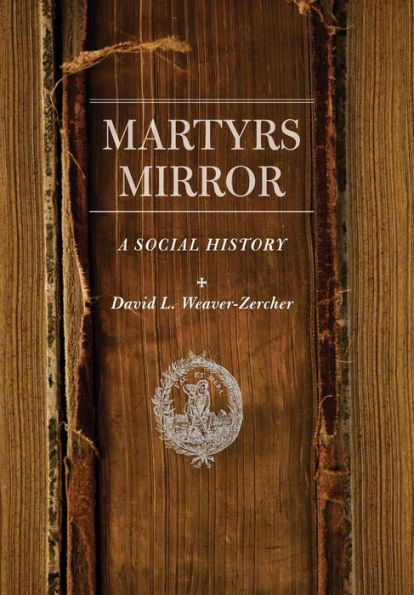
Martyrs Mirror: A Social History in Franklin, TN
Current price: $54.95
Barnes and Noble
Martyrs Mirror: A Social History in Franklin, TN
Current price: $54.95
Loading Inventory...
Size: Hardcover
The first scholarly history of the iconic Anabaptist text.
Approximately 2,500 Anabaptists were martyred in sixteenth- and early seventeenth-century Europe. Their surviving brethren compiled stories of those who suffered and died for the faith into martyr books. The most historically and culturally significant of these,
The Bloody Theater
—more commonly known as
Martyrs Mirror
—was assembled by the Dutch Mennonite minister Thieleman van Braght and published in 1660. Today, next to the Bible, it is the single most important text to Anabaptists—Amish, Mennonites, and Hutterites. In some Anabaptist communities, it is passed to new generations as a wedding or graduation gift.
David L. Weaver-Zercher combines the fascinating history of
with a detailed analysis of Anabaptist life, religion, and martyrdom. He traces the publication, use, and dissemination of this key martyrology across nearly four centuries and explains why it holds sacred status in contemporary Amish and Mennonite households. Even today, the words and deeds of these martyred Christians are referenced in sermons, Sunday school lessons, and history books.
Weaver-Zercher argues that
was designed to teach believers how to live a proper Christian life. In van Braght’s view, accounts of the martyrs helped to remind readers of the things that mattered, thus inspiring them to greater faithfulness. Martyrs Mirror remains a tool of revival, offering new life to the communities and people who read it by revitalizing Anabaptist ideals and values. Meticulously researched and illustrated with sketches from early publications of
, Weaver-Zercher’s ambitious history weaves together the existing scholarship on this iconic text in an accessible and engaging way.
Approximately 2,500 Anabaptists were martyred in sixteenth- and early seventeenth-century Europe. Their surviving brethren compiled stories of those who suffered and died for the faith into martyr books. The most historically and culturally significant of these,
The Bloody Theater
—more commonly known as
Martyrs Mirror
—was assembled by the Dutch Mennonite minister Thieleman van Braght and published in 1660. Today, next to the Bible, it is the single most important text to Anabaptists—Amish, Mennonites, and Hutterites. In some Anabaptist communities, it is passed to new generations as a wedding or graduation gift.
David L. Weaver-Zercher combines the fascinating history of
with a detailed analysis of Anabaptist life, religion, and martyrdom. He traces the publication, use, and dissemination of this key martyrology across nearly four centuries and explains why it holds sacred status in contemporary Amish and Mennonite households. Even today, the words and deeds of these martyred Christians are referenced in sermons, Sunday school lessons, and history books.
Weaver-Zercher argues that
was designed to teach believers how to live a proper Christian life. In van Braght’s view, accounts of the martyrs helped to remind readers of the things that mattered, thus inspiring them to greater faithfulness. Martyrs Mirror remains a tool of revival, offering new life to the communities and people who read it by revitalizing Anabaptist ideals and values. Meticulously researched and illustrated with sketches from early publications of
, Weaver-Zercher’s ambitious history weaves together the existing scholarship on this iconic text in an accessible and engaging way.
The first scholarly history of the iconic Anabaptist text.
Approximately 2,500 Anabaptists were martyred in sixteenth- and early seventeenth-century Europe. Their surviving brethren compiled stories of those who suffered and died for the faith into martyr books. The most historically and culturally significant of these,
The Bloody Theater
—more commonly known as
Martyrs Mirror
—was assembled by the Dutch Mennonite minister Thieleman van Braght and published in 1660. Today, next to the Bible, it is the single most important text to Anabaptists—Amish, Mennonites, and Hutterites. In some Anabaptist communities, it is passed to new generations as a wedding or graduation gift.
David L. Weaver-Zercher combines the fascinating history of
with a detailed analysis of Anabaptist life, religion, and martyrdom. He traces the publication, use, and dissemination of this key martyrology across nearly four centuries and explains why it holds sacred status in contemporary Amish and Mennonite households. Even today, the words and deeds of these martyred Christians are referenced in sermons, Sunday school lessons, and history books.
Weaver-Zercher argues that
was designed to teach believers how to live a proper Christian life. In van Braght’s view, accounts of the martyrs helped to remind readers of the things that mattered, thus inspiring them to greater faithfulness. Martyrs Mirror remains a tool of revival, offering new life to the communities and people who read it by revitalizing Anabaptist ideals and values. Meticulously researched and illustrated with sketches from early publications of
, Weaver-Zercher’s ambitious history weaves together the existing scholarship on this iconic text in an accessible and engaging way.
Approximately 2,500 Anabaptists were martyred in sixteenth- and early seventeenth-century Europe. Their surviving brethren compiled stories of those who suffered and died for the faith into martyr books. The most historically and culturally significant of these,
The Bloody Theater
—more commonly known as
Martyrs Mirror
—was assembled by the Dutch Mennonite minister Thieleman van Braght and published in 1660. Today, next to the Bible, it is the single most important text to Anabaptists—Amish, Mennonites, and Hutterites. In some Anabaptist communities, it is passed to new generations as a wedding or graduation gift.
David L. Weaver-Zercher combines the fascinating history of
with a detailed analysis of Anabaptist life, religion, and martyrdom. He traces the publication, use, and dissemination of this key martyrology across nearly four centuries and explains why it holds sacred status in contemporary Amish and Mennonite households. Even today, the words and deeds of these martyred Christians are referenced in sermons, Sunday school lessons, and history books.
Weaver-Zercher argues that
was designed to teach believers how to live a proper Christian life. In van Braght’s view, accounts of the martyrs helped to remind readers of the things that mattered, thus inspiring them to greater faithfulness. Martyrs Mirror remains a tool of revival, offering new life to the communities and people who read it by revitalizing Anabaptist ideals and values. Meticulously researched and illustrated with sketches from early publications of
, Weaver-Zercher’s ambitious history weaves together the existing scholarship on this iconic text in an accessible and engaging way.
You May Also Like














More About Barnes and Noble at CoolSprings Galleria
Barnes & Noble is the world’s largest retail bookseller and a leading retailer of content, digital media and educational products. Our Nook Digital business offers a lineup of NOOK® tablets and e-Readers and an expansive collection of digital reading content through the NOOK Store®. Barnes & Noble’s mission is to operate the best omni-channel specialty retail business in America, helping both our customers and booksellers reach their aspirations, while being a credit to the communities we serve.
1800 Galleria Blvd #1310, Franklin, TN 37067, United States
Find Barnes and Noble at CoolSprings Galleria in Franklin, TN
Visit Barnes and Noble at CoolSprings Galleria in Franklin, TN
