
Home
Mein Traum: Schubert, Schumann, Weber
Barnes and Noble
Loading Inventory...
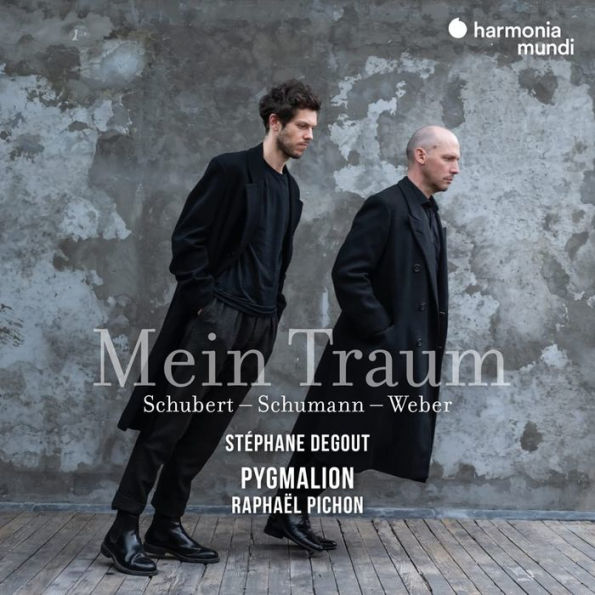
Mein Traum: Schubert, Schumann, Weber in Franklin, TN
Current price: $21.99
Barnes and Noble
Mein Traum: Schubert, Schumann, Weber in Franklin, TN
Current price: $21.99
Loading Inventory...
Size: OS
Quite a bit of attention has been paid lately to an odd account or letter
Schubert
penned in 1822, titled by his brother Mein Traum ("My Dream"). Conductor
Rene Jacobs
has made the startling suggestion that the composer's
Symphony No. 8 in B minor ("Unfinished")
was not unfinished at all and that
's piece of writing formed a kind of program for it. Now come baritone
Stephane Degout
and conductor
Raphael Pichon
, with the latter's
Ensemble Pygmalion
, making
's account the basis for a kind of dreamlike program exploring the ideas of interruption and disjunction (the booklet essay is a bit impenetrable, but certainly original). The
"Unfinished" Symphony
is present, although the performers don't go as far as
Jacobs
does. Surrounding it are opera arias, song arrangements for orchestra, and some choruses (including the famed
Ave Maria
, which takes on an entirely new flavor in this context), mostly by
, with a few by
Schumann
and one by
Weber
. One advantage of this kind of program is that the 19th century would have found the whole concept quite familiar; genres would freely mix in concert, and the theme of dreams is one common to a great deal of Romantic art. Another is that many of the pieces here are pretty rare;
's operas, despite manifold points of interest, are not often heard, and
's
Meerfey
(No. 5 from
Sechs Romanze fuer Frauenstimme, Op. 69
), is a welcome dive into the era's repertory for small chorus. Baritone
Degout
, coming at this material with fresh perspectives, offers a semi-operatic feeling in the sequence of recitatives, arias, choruses, and songs, and it is hard to imagine that listeners won't feel some degree of engagement, whatever they may think of the whole idea. ~ James Manheim
Schubert
penned in 1822, titled by his brother Mein Traum ("My Dream"). Conductor
Rene Jacobs
has made the startling suggestion that the composer's
Symphony No. 8 in B minor ("Unfinished")
was not unfinished at all and that
's piece of writing formed a kind of program for it. Now come baritone
Stephane Degout
and conductor
Raphael Pichon
, with the latter's
Ensemble Pygmalion
, making
's account the basis for a kind of dreamlike program exploring the ideas of interruption and disjunction (the booklet essay is a bit impenetrable, but certainly original). The
"Unfinished" Symphony
is present, although the performers don't go as far as
Jacobs
does. Surrounding it are opera arias, song arrangements for orchestra, and some choruses (including the famed
Ave Maria
, which takes on an entirely new flavor in this context), mostly by
, with a few by
Schumann
and one by
Weber
. One advantage of this kind of program is that the 19th century would have found the whole concept quite familiar; genres would freely mix in concert, and the theme of dreams is one common to a great deal of Romantic art. Another is that many of the pieces here are pretty rare;
's operas, despite manifold points of interest, are not often heard, and
's
Meerfey
(No. 5 from
Sechs Romanze fuer Frauenstimme, Op. 69
), is a welcome dive into the era's repertory for small chorus. Baritone
Degout
, coming at this material with fresh perspectives, offers a semi-operatic feeling in the sequence of recitatives, arias, choruses, and songs, and it is hard to imagine that listeners won't feel some degree of engagement, whatever they may think of the whole idea. ~ James Manheim
Quite a bit of attention has been paid lately to an odd account or letter
Schubert
penned in 1822, titled by his brother Mein Traum ("My Dream"). Conductor
Rene Jacobs
has made the startling suggestion that the composer's
Symphony No. 8 in B minor ("Unfinished")
was not unfinished at all and that
's piece of writing formed a kind of program for it. Now come baritone
Stephane Degout
and conductor
Raphael Pichon
, with the latter's
Ensemble Pygmalion
, making
's account the basis for a kind of dreamlike program exploring the ideas of interruption and disjunction (the booklet essay is a bit impenetrable, but certainly original). The
"Unfinished" Symphony
is present, although the performers don't go as far as
Jacobs
does. Surrounding it are opera arias, song arrangements for orchestra, and some choruses (including the famed
Ave Maria
, which takes on an entirely new flavor in this context), mostly by
, with a few by
Schumann
and one by
Weber
. One advantage of this kind of program is that the 19th century would have found the whole concept quite familiar; genres would freely mix in concert, and the theme of dreams is one common to a great deal of Romantic art. Another is that many of the pieces here are pretty rare;
's operas, despite manifold points of interest, are not often heard, and
's
Meerfey
(No. 5 from
Sechs Romanze fuer Frauenstimme, Op. 69
), is a welcome dive into the era's repertory for small chorus. Baritone
Degout
, coming at this material with fresh perspectives, offers a semi-operatic feeling in the sequence of recitatives, arias, choruses, and songs, and it is hard to imagine that listeners won't feel some degree of engagement, whatever they may think of the whole idea. ~ James Manheim
Schubert
penned in 1822, titled by his brother Mein Traum ("My Dream"). Conductor
Rene Jacobs
has made the startling suggestion that the composer's
Symphony No. 8 in B minor ("Unfinished")
was not unfinished at all and that
's piece of writing formed a kind of program for it. Now come baritone
Stephane Degout
and conductor
Raphael Pichon
, with the latter's
Ensemble Pygmalion
, making
's account the basis for a kind of dreamlike program exploring the ideas of interruption and disjunction (the booklet essay is a bit impenetrable, but certainly original). The
"Unfinished" Symphony
is present, although the performers don't go as far as
Jacobs
does. Surrounding it are opera arias, song arrangements for orchestra, and some choruses (including the famed
Ave Maria
, which takes on an entirely new flavor in this context), mostly by
, with a few by
Schumann
and one by
Weber
. One advantage of this kind of program is that the 19th century would have found the whole concept quite familiar; genres would freely mix in concert, and the theme of dreams is one common to a great deal of Romantic art. Another is that many of the pieces here are pretty rare;
's operas, despite manifold points of interest, are not often heard, and
's
Meerfey
(No. 5 from
Sechs Romanze fuer Frauenstimme, Op. 69
), is a welcome dive into the era's repertory for small chorus. Baritone
Degout
, coming at this material with fresh perspectives, offers a semi-operatic feeling in the sequence of recitatives, arias, choruses, and songs, and it is hard to imagine that listeners won't feel some degree of engagement, whatever they may think of the whole idea. ~ James Manheim
You May Also Like












More About Barnes and Noble at CoolSprings Galleria
Barnes & Noble is the world’s largest retail bookseller and a leading retailer of content, digital media and educational products. Our Nook Digital business offers a lineup of NOOK® tablets and e-Readers and an expansive collection of digital reading content through the NOOK Store®. Barnes & Noble’s mission is to operate the best omni-channel specialty retail business in America, helping both our customers and booksellers reach their aspirations, while being a credit to the communities we serve.
1800 Galleria Blvd #1310, Franklin, TN 37067, United States
Find Barnes and Noble at CoolSprings Galleria in Franklin, TN
Visit Barnes and Noble at CoolSprings Galleria in Franklin, TN
