
Home
MIS Reports and Reconciliation A Practical Guide to Data Accuracy Business Insights
Barnes and Noble
Loading Inventory...
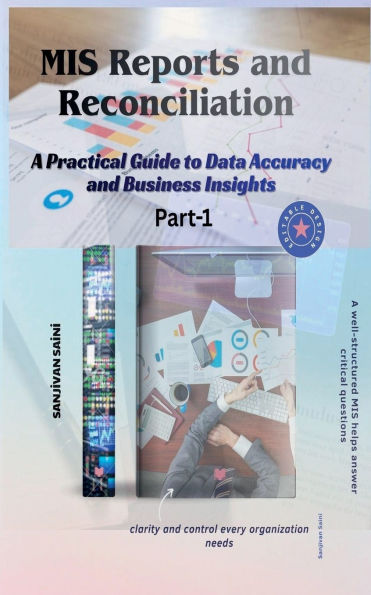
MIS Reports and Reconciliation A Practical Guide to Data Accuracy Business Insights in Franklin, TN
Current price: $20.99
Barnes and Noble
MIS Reports and Reconciliation A Practical Guide to Data Accuracy Business Insights in Franklin, TN
Current price: $20.99
Loading Inventory...
Size: Paperback
In today's data-driven world, every decision - from strategic planning to day-to-day operations - depends on information. But
information is only as good as its accuracy and timeliness.
Across industries, professionals are flooded with reports, spreadsheets, and dashboards, yet many struggle to trust the numbers in front of them. This is where
MIS Reports and Reconciliation
become indispensable.
1. The Bridge Between Data and Decisions
Most organizations generate vast amounts of data through ERP systems, CRMs, and manual logs. However, without proper management, this data remains scattered and inconsistent. MIS (Management Information Systems) transforms raw data into actionable intelligence - the kind that enables leaders to track performance, identify inefficiencies, and make informed choices.
This book explains
how to design, structure, and manage MIS reports
that truly reflect business reality - not just numbers on a screen.
2. Ensuring Data Accuracy Through Reconciliation
Data errors, mismatched entries, and system discrepancies can silently erode trust in your reports. Reconciliation ensures that what's recorded in one system aligns with what exists in another - whether it's cash in the bank, stock in the warehouse, or invoices in accounts.
This book provides
step-by-step frameworks and best practices
to perform reconciliation efficiently - reducing financial risks, improving audit readiness, and building data integrity across the organization.
3. A Practical Approach, Not Just Theory
Unlike academic texts, this book is built around
real-world practices, templates, and examples
from industries such as finance, logistics, supply chain, and retail. Each chapter translates complex concepts into clear, usable methods - from designing MIS dashboards in Excel to automating reconciliation with Power Query or ERP tools.
You'll learn
what to do, how to do it, and why it matters.
4. For Professionals Across Roles
Whether you are:
A
finance professional
managing daily reconciliations,
supply chain analyst
preparing performance dashboards,
business manager
seeking accurate insights, or
student or beginner
entering the corporate analytics world -
this book provides the foundation and tools needed to master both MIS reporting and reconciliation with confidence.
5. Building a Culture of Data Integrity
Ultimately, effective MIS reporting and reconciliation are not just about systems or spreadsheets - they are about
trust.
Trust in data, trust in processes, and trust in decisions.
By the end of this book, you'll not only know how to prepare accurate reports but also understand how to build a
culture of accountability and continuous improvement
around data management - a skill that sets apart efficient teams and high-performing organizations.
information is only as good as its accuracy and timeliness.
Across industries, professionals are flooded with reports, spreadsheets, and dashboards, yet many struggle to trust the numbers in front of them. This is where
MIS Reports and Reconciliation
become indispensable.
1. The Bridge Between Data and Decisions
Most organizations generate vast amounts of data through ERP systems, CRMs, and manual logs. However, without proper management, this data remains scattered and inconsistent. MIS (Management Information Systems) transforms raw data into actionable intelligence - the kind that enables leaders to track performance, identify inefficiencies, and make informed choices.
This book explains
how to design, structure, and manage MIS reports
that truly reflect business reality - not just numbers on a screen.
2. Ensuring Data Accuracy Through Reconciliation
Data errors, mismatched entries, and system discrepancies can silently erode trust in your reports. Reconciliation ensures that what's recorded in one system aligns with what exists in another - whether it's cash in the bank, stock in the warehouse, or invoices in accounts.
This book provides
step-by-step frameworks and best practices
to perform reconciliation efficiently - reducing financial risks, improving audit readiness, and building data integrity across the organization.
3. A Practical Approach, Not Just Theory
Unlike academic texts, this book is built around
real-world practices, templates, and examples
from industries such as finance, logistics, supply chain, and retail. Each chapter translates complex concepts into clear, usable methods - from designing MIS dashboards in Excel to automating reconciliation with Power Query or ERP tools.
You'll learn
what to do, how to do it, and why it matters.
4. For Professionals Across Roles
Whether you are:
A
finance professional
managing daily reconciliations,
supply chain analyst
preparing performance dashboards,
business manager
seeking accurate insights, or
student or beginner
entering the corporate analytics world -
this book provides the foundation and tools needed to master both MIS reporting and reconciliation with confidence.
5. Building a Culture of Data Integrity
Ultimately, effective MIS reporting and reconciliation are not just about systems or spreadsheets - they are about
trust.
Trust in data, trust in processes, and trust in decisions.
By the end of this book, you'll not only know how to prepare accurate reports but also understand how to build a
culture of accountability and continuous improvement
around data management - a skill that sets apart efficient teams and high-performing organizations.
In today's data-driven world, every decision - from strategic planning to day-to-day operations - depends on information. But
information is only as good as its accuracy and timeliness.
Across industries, professionals are flooded with reports, spreadsheets, and dashboards, yet many struggle to trust the numbers in front of them. This is where
MIS Reports and Reconciliation
become indispensable.
1. The Bridge Between Data and Decisions
Most organizations generate vast amounts of data through ERP systems, CRMs, and manual logs. However, without proper management, this data remains scattered and inconsistent. MIS (Management Information Systems) transforms raw data into actionable intelligence - the kind that enables leaders to track performance, identify inefficiencies, and make informed choices.
This book explains
how to design, structure, and manage MIS reports
that truly reflect business reality - not just numbers on a screen.
2. Ensuring Data Accuracy Through Reconciliation
Data errors, mismatched entries, and system discrepancies can silently erode trust in your reports. Reconciliation ensures that what's recorded in one system aligns with what exists in another - whether it's cash in the bank, stock in the warehouse, or invoices in accounts.
This book provides
step-by-step frameworks and best practices
to perform reconciliation efficiently - reducing financial risks, improving audit readiness, and building data integrity across the organization.
3. A Practical Approach, Not Just Theory
Unlike academic texts, this book is built around
real-world practices, templates, and examples
from industries such as finance, logistics, supply chain, and retail. Each chapter translates complex concepts into clear, usable methods - from designing MIS dashboards in Excel to automating reconciliation with Power Query or ERP tools.
You'll learn
what to do, how to do it, and why it matters.
4. For Professionals Across Roles
Whether you are:
A
finance professional
managing daily reconciliations,
supply chain analyst
preparing performance dashboards,
business manager
seeking accurate insights, or
student or beginner
entering the corporate analytics world -
this book provides the foundation and tools needed to master both MIS reporting and reconciliation with confidence.
5. Building a Culture of Data Integrity
Ultimately, effective MIS reporting and reconciliation are not just about systems or spreadsheets - they are about
trust.
Trust in data, trust in processes, and trust in decisions.
By the end of this book, you'll not only know how to prepare accurate reports but also understand how to build a
culture of accountability and continuous improvement
around data management - a skill that sets apart efficient teams and high-performing organizations.
information is only as good as its accuracy and timeliness.
Across industries, professionals are flooded with reports, spreadsheets, and dashboards, yet many struggle to trust the numbers in front of them. This is where
MIS Reports and Reconciliation
become indispensable.
1. The Bridge Between Data and Decisions
Most organizations generate vast amounts of data through ERP systems, CRMs, and manual logs. However, without proper management, this data remains scattered and inconsistent. MIS (Management Information Systems) transforms raw data into actionable intelligence - the kind that enables leaders to track performance, identify inefficiencies, and make informed choices.
This book explains
how to design, structure, and manage MIS reports
that truly reflect business reality - not just numbers on a screen.
2. Ensuring Data Accuracy Through Reconciliation
Data errors, mismatched entries, and system discrepancies can silently erode trust in your reports. Reconciliation ensures that what's recorded in one system aligns with what exists in another - whether it's cash in the bank, stock in the warehouse, or invoices in accounts.
This book provides
step-by-step frameworks and best practices
to perform reconciliation efficiently - reducing financial risks, improving audit readiness, and building data integrity across the organization.
3. A Practical Approach, Not Just Theory
Unlike academic texts, this book is built around
real-world practices, templates, and examples
from industries such as finance, logistics, supply chain, and retail. Each chapter translates complex concepts into clear, usable methods - from designing MIS dashboards in Excel to automating reconciliation with Power Query or ERP tools.
You'll learn
what to do, how to do it, and why it matters.
4. For Professionals Across Roles
Whether you are:
A
finance professional
managing daily reconciliations,
supply chain analyst
preparing performance dashboards,
business manager
seeking accurate insights, or
student or beginner
entering the corporate analytics world -
this book provides the foundation and tools needed to master both MIS reporting and reconciliation with confidence.
5. Building a Culture of Data Integrity
Ultimately, effective MIS reporting and reconciliation are not just about systems or spreadsheets - they are about
trust.
Trust in data, trust in processes, and trust in decisions.
By the end of this book, you'll not only know how to prepare accurate reports but also understand how to build a
culture of accountability and continuous improvement
around data management - a skill that sets apart efficient teams and high-performing organizations.
You May Also Like













More About Barnes and Noble at CoolSprings Galleria
Barnes & Noble is the world’s largest retail bookseller and a leading retailer of content, digital media and educational products. Our Nook Digital business offers a lineup of NOOK® tablets and e-Readers and an expansive collection of digital reading content through the NOOK Store®. Barnes & Noble’s mission is to operate the best omni-channel specialty retail business in America, helping both our customers and booksellers reach their aspirations, while being a credit to the communities we serve.
1800 Galleria Blvd #1310, Franklin, TN 37067, United States
Find Barnes and Noble at CoolSprings Galleria in Franklin, TN
Visit Barnes and Noble at CoolSprings Galleria in Franklin, TN
