
Home
Mozart: Piano Concertos Nos. 20 & 23
Barnes and Noble
Loading Inventory...
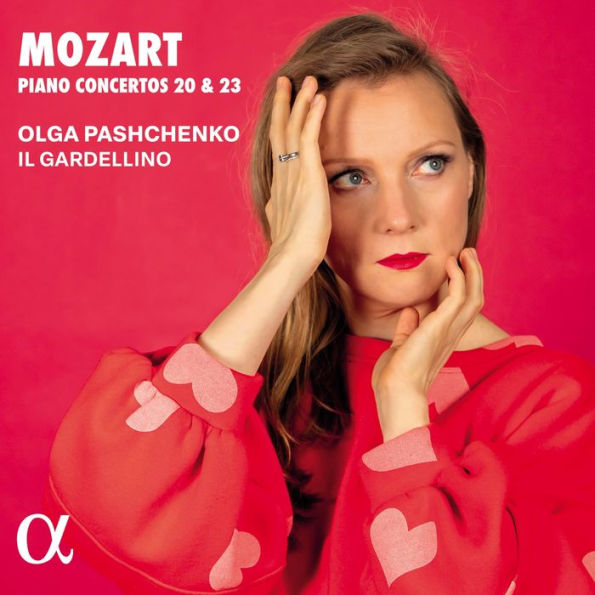
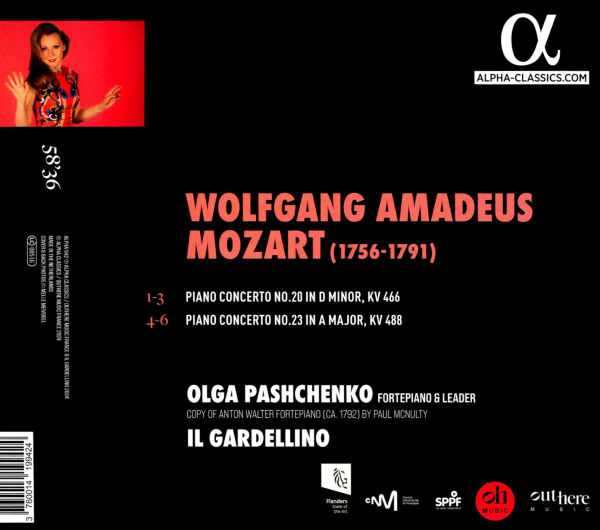
Mozart: Piano Concertos Nos. 20 & 23 in Franklin, TN
Current price: $22.99
Barnes and Noble
Mozart: Piano Concertos Nos. 20 & 23 in Franklin, TN
Current price: $22.99
Loading Inventory...
Size: OS
This is a historically oriented recording of
Mozart
's famous
Piano Concerto in D minor, K. 466
, and
Piano Concerto No. 23 in A major, K. 488
. Keyboardist
Olga Pashchenko
plays a replica by the great builder
Paul McNulty
of a ca. 1792
Walter
instrument from Vienna, a strong yet sparkling fortepiano that, for
, would likely have represented a kind of sound ideal. In addition to the fortepiano itself, various other details of the performance are owed to the historical performance movement, including light continuo-style accompaniment on the keyboard in the tutti. There is little pedaling; pianistic texture is achieved mostly by the use of articulation. Yet the overall effect here is one of music that looks forward to the Romantic era. This works well in these two concertos in particular; the
D minor concerto
is
's most Beethovenian, and the
A major concerto
has an inwardness that seems to point to
Schubert
.
Pashchenko
, leading the ensemble
Il Gardellino
from the keyboard, plays up the subjective aspect of the music. She uses a lot of rubato, sometimes a startling amount, and even where the tempo is not varied much, she varies the dynamic of the music. The beginning of
K. 466
is always restless, but here, it seems about to break out of the confines of the form. All the entrances of the soloist are beautifully shaped and get the listener's attention instantly. To control what is happening in an interpretation of this kind from the keyboard is an impressive technical feat and one that
accomplishes neatly. Another draw is the
Alpha
label's sound, recorded at the Concertgebouw Brugge in Belgium and faithfully reproducing the varied balances
forges. The market may not have been crying out for a new recording of these concertos, but the appearance of this release on classical best-seller lists in the summer of 2024 testifies to its freshness. ~ James Manheim
Mozart
's famous
Piano Concerto in D minor, K. 466
, and
Piano Concerto No. 23 in A major, K. 488
. Keyboardist
Olga Pashchenko
plays a replica by the great builder
Paul McNulty
of a ca. 1792
Walter
instrument from Vienna, a strong yet sparkling fortepiano that, for
, would likely have represented a kind of sound ideal. In addition to the fortepiano itself, various other details of the performance are owed to the historical performance movement, including light continuo-style accompaniment on the keyboard in the tutti. There is little pedaling; pianistic texture is achieved mostly by the use of articulation. Yet the overall effect here is one of music that looks forward to the Romantic era. This works well in these two concertos in particular; the
D minor concerto
is
's most Beethovenian, and the
A major concerto
has an inwardness that seems to point to
Schubert
.
Pashchenko
, leading the ensemble
Il Gardellino
from the keyboard, plays up the subjective aspect of the music. She uses a lot of rubato, sometimes a startling amount, and even where the tempo is not varied much, she varies the dynamic of the music. The beginning of
K. 466
is always restless, but here, it seems about to break out of the confines of the form. All the entrances of the soloist are beautifully shaped and get the listener's attention instantly. To control what is happening in an interpretation of this kind from the keyboard is an impressive technical feat and one that
accomplishes neatly. Another draw is the
Alpha
label's sound, recorded at the Concertgebouw Brugge in Belgium and faithfully reproducing the varied balances
forges. The market may not have been crying out for a new recording of these concertos, but the appearance of this release on classical best-seller lists in the summer of 2024 testifies to its freshness. ~ James Manheim
This is a historically oriented recording of
Mozart
's famous
Piano Concerto in D minor, K. 466
, and
Piano Concerto No. 23 in A major, K. 488
. Keyboardist
Olga Pashchenko
plays a replica by the great builder
Paul McNulty
of a ca. 1792
Walter
instrument from Vienna, a strong yet sparkling fortepiano that, for
, would likely have represented a kind of sound ideal. In addition to the fortepiano itself, various other details of the performance are owed to the historical performance movement, including light continuo-style accompaniment on the keyboard in the tutti. There is little pedaling; pianistic texture is achieved mostly by the use of articulation. Yet the overall effect here is one of music that looks forward to the Romantic era. This works well in these two concertos in particular; the
D minor concerto
is
's most Beethovenian, and the
A major concerto
has an inwardness that seems to point to
Schubert
.
Pashchenko
, leading the ensemble
Il Gardellino
from the keyboard, plays up the subjective aspect of the music. She uses a lot of rubato, sometimes a startling amount, and even where the tempo is not varied much, she varies the dynamic of the music. The beginning of
K. 466
is always restless, but here, it seems about to break out of the confines of the form. All the entrances of the soloist are beautifully shaped and get the listener's attention instantly. To control what is happening in an interpretation of this kind from the keyboard is an impressive technical feat and one that
accomplishes neatly. Another draw is the
Alpha
label's sound, recorded at the Concertgebouw Brugge in Belgium and faithfully reproducing the varied balances
forges. The market may not have been crying out for a new recording of these concertos, but the appearance of this release on classical best-seller lists in the summer of 2024 testifies to its freshness. ~ James Manheim
Mozart
's famous
Piano Concerto in D minor, K. 466
, and
Piano Concerto No. 23 in A major, K. 488
. Keyboardist
Olga Pashchenko
plays a replica by the great builder
Paul McNulty
of a ca. 1792
Walter
instrument from Vienna, a strong yet sparkling fortepiano that, for
, would likely have represented a kind of sound ideal. In addition to the fortepiano itself, various other details of the performance are owed to the historical performance movement, including light continuo-style accompaniment on the keyboard in the tutti. There is little pedaling; pianistic texture is achieved mostly by the use of articulation. Yet the overall effect here is one of music that looks forward to the Romantic era. This works well in these two concertos in particular; the
D minor concerto
is
's most Beethovenian, and the
A major concerto
has an inwardness that seems to point to
Schubert
.
Pashchenko
, leading the ensemble
Il Gardellino
from the keyboard, plays up the subjective aspect of the music. She uses a lot of rubato, sometimes a startling amount, and even where the tempo is not varied much, she varies the dynamic of the music. The beginning of
K. 466
is always restless, but here, it seems about to break out of the confines of the form. All the entrances of the soloist are beautifully shaped and get the listener's attention instantly. To control what is happening in an interpretation of this kind from the keyboard is an impressive technical feat and one that
accomplishes neatly. Another draw is the
Alpha
label's sound, recorded at the Concertgebouw Brugge in Belgium and faithfully reproducing the varied balances
forges. The market may not have been crying out for a new recording of these concertos, but the appearance of this release on classical best-seller lists in the summer of 2024 testifies to its freshness. ~ James Manheim
You May Also Like
![Rudolf Buchbinder/Staatskapelle Dresden: Mozart - Piano Concertos Nos. 20, 21 & 27 [Blu-ray]](https://prodimage.images-bn.com/pimages/0814337013400_p0_v2_s600x595.jpg)









More About Barnes and Noble at CoolSprings Galleria
Barnes & Noble is the world’s largest retail bookseller and a leading retailer of content, digital media and educational products. Our Nook Digital business offers a lineup of NOOK® tablets and e-Readers and an expansive collection of digital reading content through the NOOK Store®. Barnes & Noble’s mission is to operate the best omni-channel specialty retail business in America, helping both our customers and booksellers reach their aspirations, while being a credit to the communities we serve.
1800 Galleria Blvd #1310, Franklin, TN 37067, United States
Find Barnes and Noble at CoolSprings Galleria in Franklin, TN
Visit Barnes and Noble at CoolSprings Galleria in Franklin, TN
