
Home
Multicultural Dialogue: Dilemmas, Paradoxes, Conflicts
Barnes and Noble
Loading Inventory...
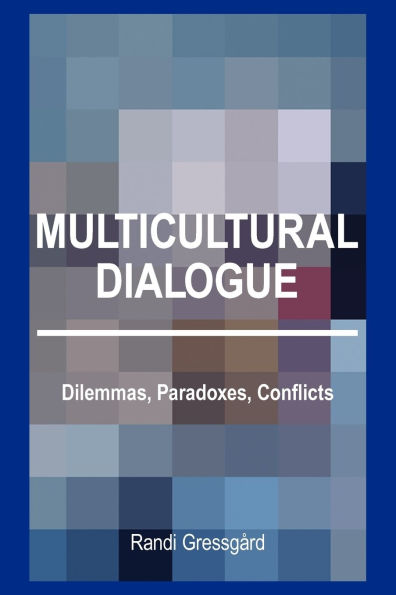
Multicultural Dialogue: Dilemmas, Paradoxes, Conflicts in Franklin, TN
Current price: $135.00
Barnes and Noble
Multicultural Dialogue: Dilemmas, Paradoxes, Conflicts in Franklin, TN
Current price: $135.00
Loading Inventory...
Size: Hardcover
As crosscultural migration increases democratic states face a particular challenge: how to grant equal rights and dignity to individuals while recognizing cultural distinctiveness. In response to the greater number of ethnic and religious minority groups, state policies seem to focus on managing cultural differences through planned pluralism. This book explores the dilemmas, paradoxes, and conflicts that emerge when differences are managed within this conceptual framework. After a critical investigation of the perceived logic of identity, indicative of Western nationstates and at the root of their pluralistic intentions, the author takes issue with both universalist notions of equality and cultural relativist notions of distinctiveness. However, without identity is it possible to participate in dialogue and form communities? Is there a way out of this impasse? The book argues in favor of communities based on nonidentitarian difference, developed and maintained through open and critical dialogue.
As crosscultural migration increases democratic states face a particular challenge: how to grant equal rights and dignity to individuals while recognizing cultural distinctiveness. In response to the greater number of ethnic and religious minority groups, state policies seem to focus on managing cultural differences through planned pluralism. This book explores the dilemmas, paradoxes, and conflicts that emerge when differences are managed within this conceptual framework. After a critical investigation of the perceived logic of identity, indicative of Western nationstates and at the root of their pluralistic intentions, the author takes issue with both universalist notions of equality and cultural relativist notions of distinctiveness. However, without identity is it possible to participate in dialogue and form communities? Is there a way out of this impasse? The book argues in favor of communities based on nonidentitarian difference, developed and maintained through open and critical dialogue.
You May Also Like












More About Barnes and Noble at CoolSprings Galleria
Barnes & Noble is the world’s largest retail bookseller and a leading retailer of content, digital media and educational products. Our Nook Digital business offers a lineup of NOOK® tablets and e-Readers and an expansive collection of digital reading content through the NOOK Store®. Barnes & Noble’s mission is to operate the best omni-channel specialty retail business in America, helping both our customers and booksellers reach their aspirations, while being a credit to the communities we serve.
1800 Galleria Blvd #1310, Franklin, TN 37067, United States
Find Barnes and Noble at CoolSprings Galleria in Franklin, TN
Visit Barnes and Noble at CoolSprings Galleria in Franklin, TN
