
Home
Nouchi: A New Aesthetics and Poetics of the Ivorian Novel
Barnes and Noble
Loading Inventory...
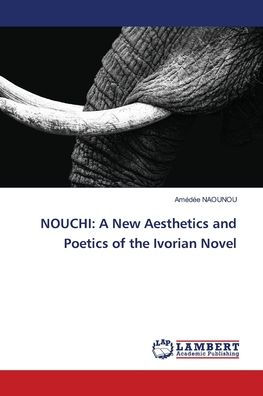
Nouchi: A New Aesthetics and Poetics of the Ivorian Novel in Franklin, TN
Current price: $71.00
Barnes and Noble
Nouchi: A New Aesthetics and Poetics of the Ivorian Novel in Franklin, TN
Current price: $71.00
Loading Inventory...
Size: OS
The work investigates the role of Nouchi, an Ivorian creole mixing French, local languages, and foreign influences, in shaping a unique literary and cultural identity. It traces Nouchi's historical evolution from colonial pidgin (e.g., French of the Senegalese riflemen and Moussa French) to a vibrant urban language popularized by music genres like Zouglou, Coupé-décalé, and rap. The book analyzes how Ivorian writers incorporate Nouchi into literature not only as a mode of expression but also as an aesthetic and ideological stance. Through case studies of works by authors like Diégou Bailly and Bandaman Maurice, it highlights how Nouchi conveys enunciation, identity, and social critique-especially concerning political corruption, violence, and youth marginalization. Using social discourse theory and literary field theory, the author shows that Nouchi embodies a form of resistance, pride, and truth-telling. It functions as a vehicle for communication, identity construction, and artistic innovation. The document also illustrates the poetic and rhetorical features of Nouchi, including metaphors, truncations, and inventive use of ICT terms.
The work investigates the role of Nouchi, an Ivorian creole mixing French, local languages, and foreign influences, in shaping a unique literary and cultural identity. It traces Nouchi's historical evolution from colonial pidgin (e.g., French of the Senegalese riflemen and Moussa French) to a vibrant urban language popularized by music genres like Zouglou, Coupé-décalé, and rap. The book analyzes how Ivorian writers incorporate Nouchi into literature not only as a mode of expression but also as an aesthetic and ideological stance. Through case studies of works by authors like Diégou Bailly and Bandaman Maurice, it highlights how Nouchi conveys enunciation, identity, and social critique-especially concerning political corruption, violence, and youth marginalization. Using social discourse theory and literary field theory, the author shows that Nouchi embodies a form of resistance, pride, and truth-telling. It functions as a vehicle for communication, identity construction, and artistic innovation. The document also illustrates the poetic and rhetorical features of Nouchi, including metaphors, truncations, and inventive use of ICT terms.
You May Also Like













More About Barnes and Noble at CoolSprings Galleria
Barnes & Noble is the world’s largest retail bookseller and a leading retailer of content, digital media and educational products. Our Nook Digital business offers a lineup of NOOK® tablets and e-Readers and an expansive collection of digital reading content through the NOOK Store®. Barnes & Noble’s mission is to operate the best omni-channel specialty retail business in America, helping both our customers and booksellers reach their aspirations, while being a credit to the communities we serve.
1800 Galleria Blvd #1310, Franklin, TN 37067, United States
Find Barnes and Noble at CoolSprings Galleria in Franklin, TN
Visit Barnes and Noble at CoolSprings Galleria in Franklin, TN
